
Newsroom
HKU Welcomed University Grants Committee Delegation
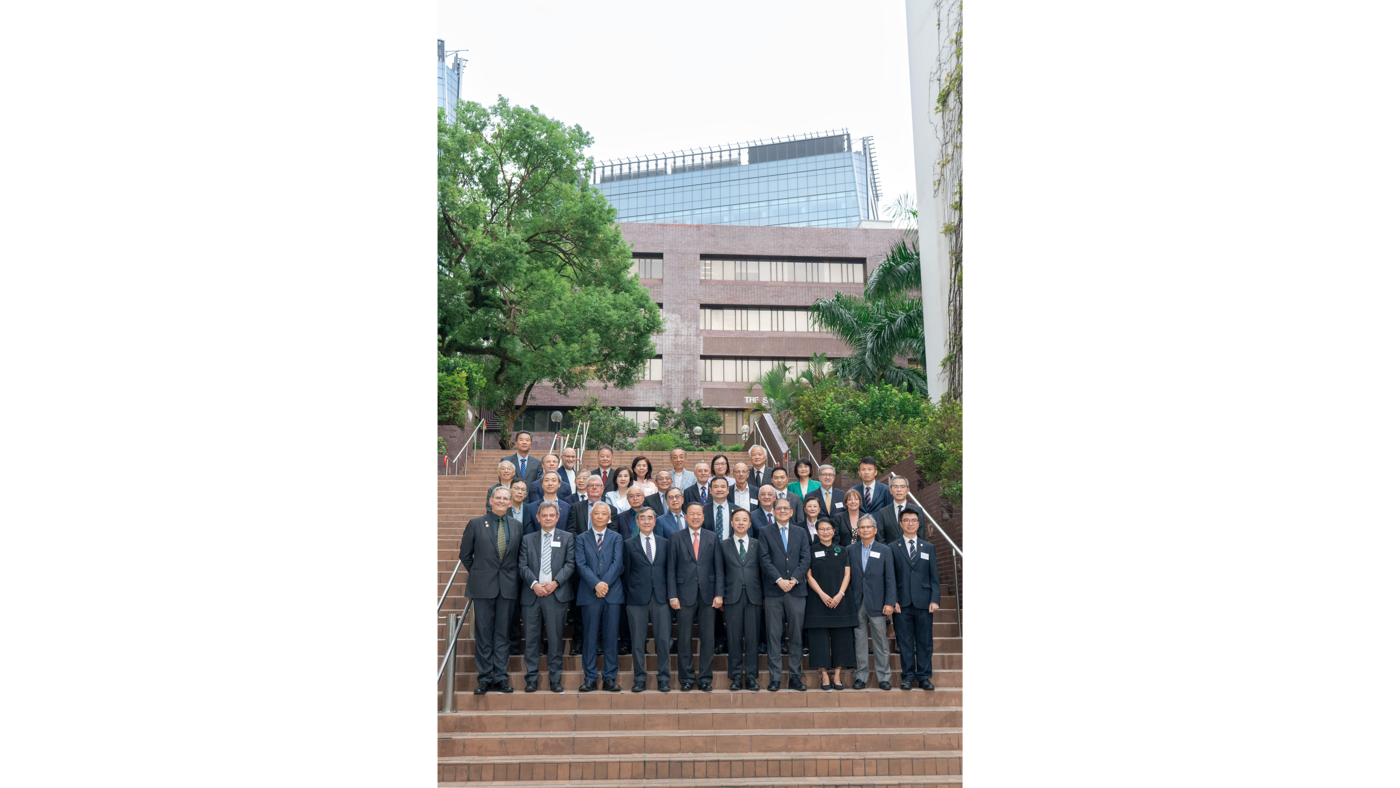
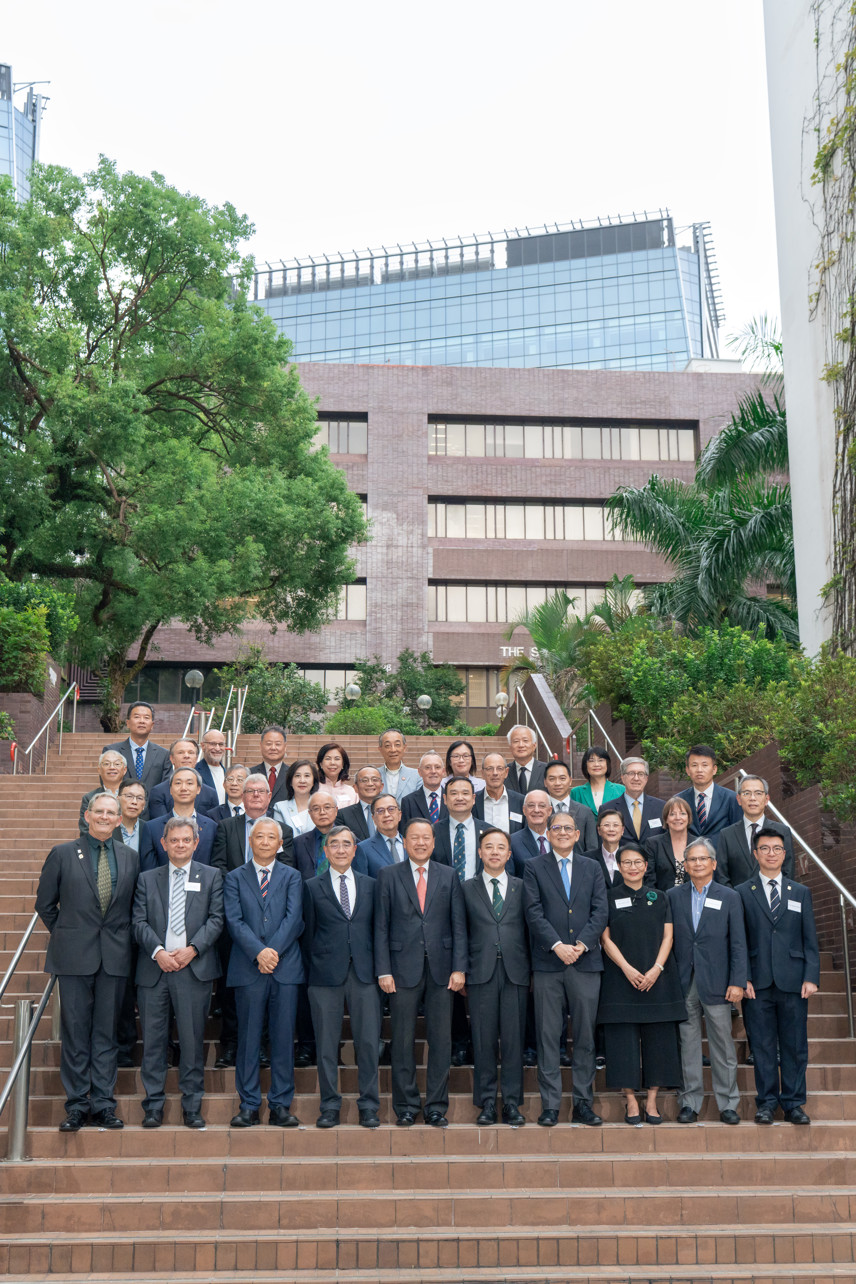
Led by UGC Chairman Mr Tim Lui and Secretary-General Professor James Tang, a 16-member delegation from the University Grants Committee (UGC) visited The University of Hong Kong (HKU) on 3 September for an exchange with senior management, faculty members, and students on the University’s latest developments and strategic initiatives in research, innovation, and education. The delegation was warmly received by Professor Xiang Zhang, President and Vice-Chancellor of HKU, and members of the Senior Management Team.
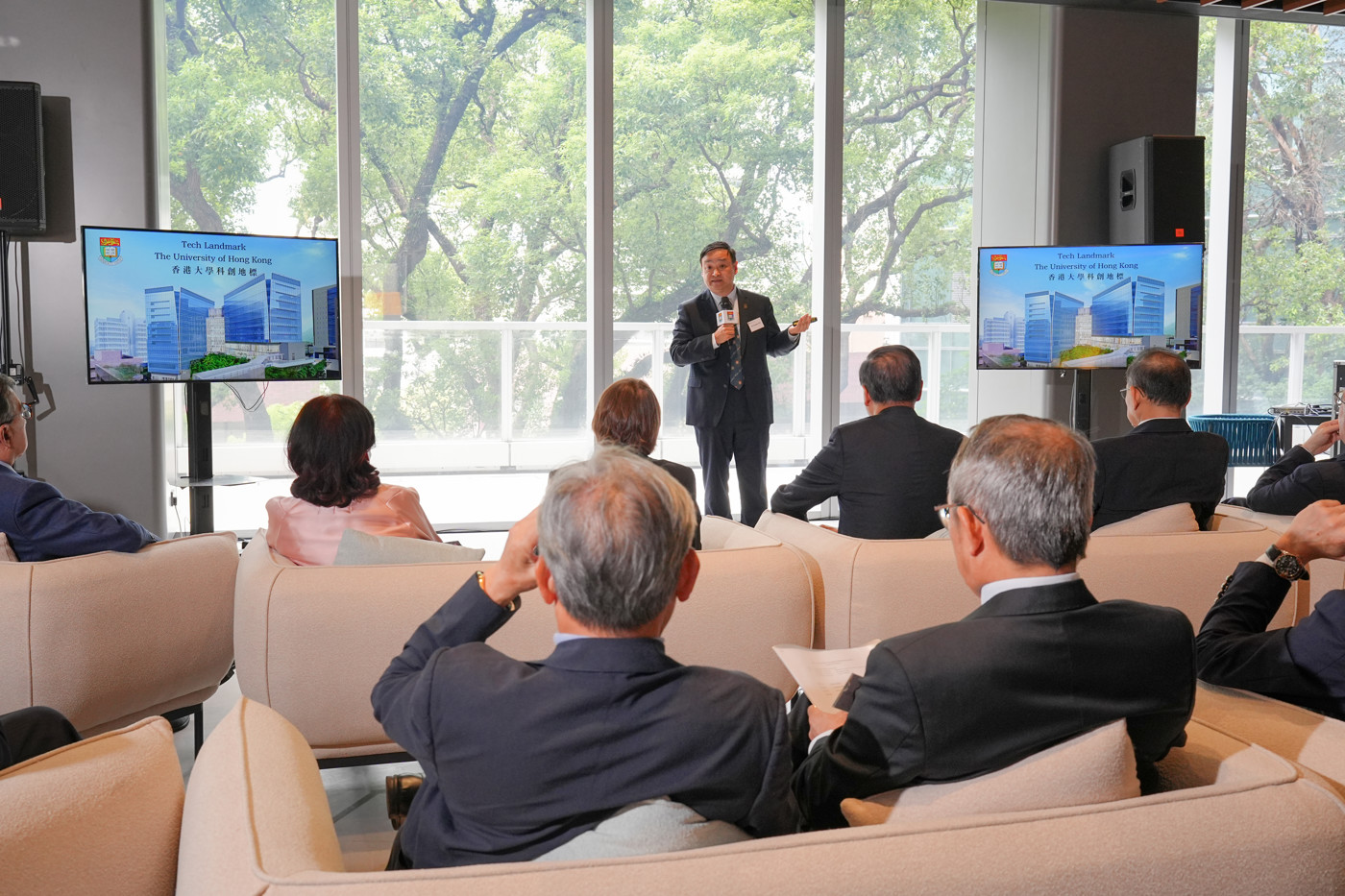
During the visit, the delegation toured several sites on the Main Campus, including Tech Landmark, HKU’s latest flagship innovation and research complex. Comprising three towers, Tech Landmark houses state-of-the-art facilities supporting interdisciplinary research in areas including artificial intelligence (AI), big data, smart materials, and quantum science. Professor Xiaobo Yin, Director of Tech Landmark, gave a presentation about Tech Landmark, while representatives of the HKU Materials Innovation Institute for Life Sciences and Energy (MILES) shared how Tech Landmark further increases the research capability of MILES, thereby enhancing its research impact.
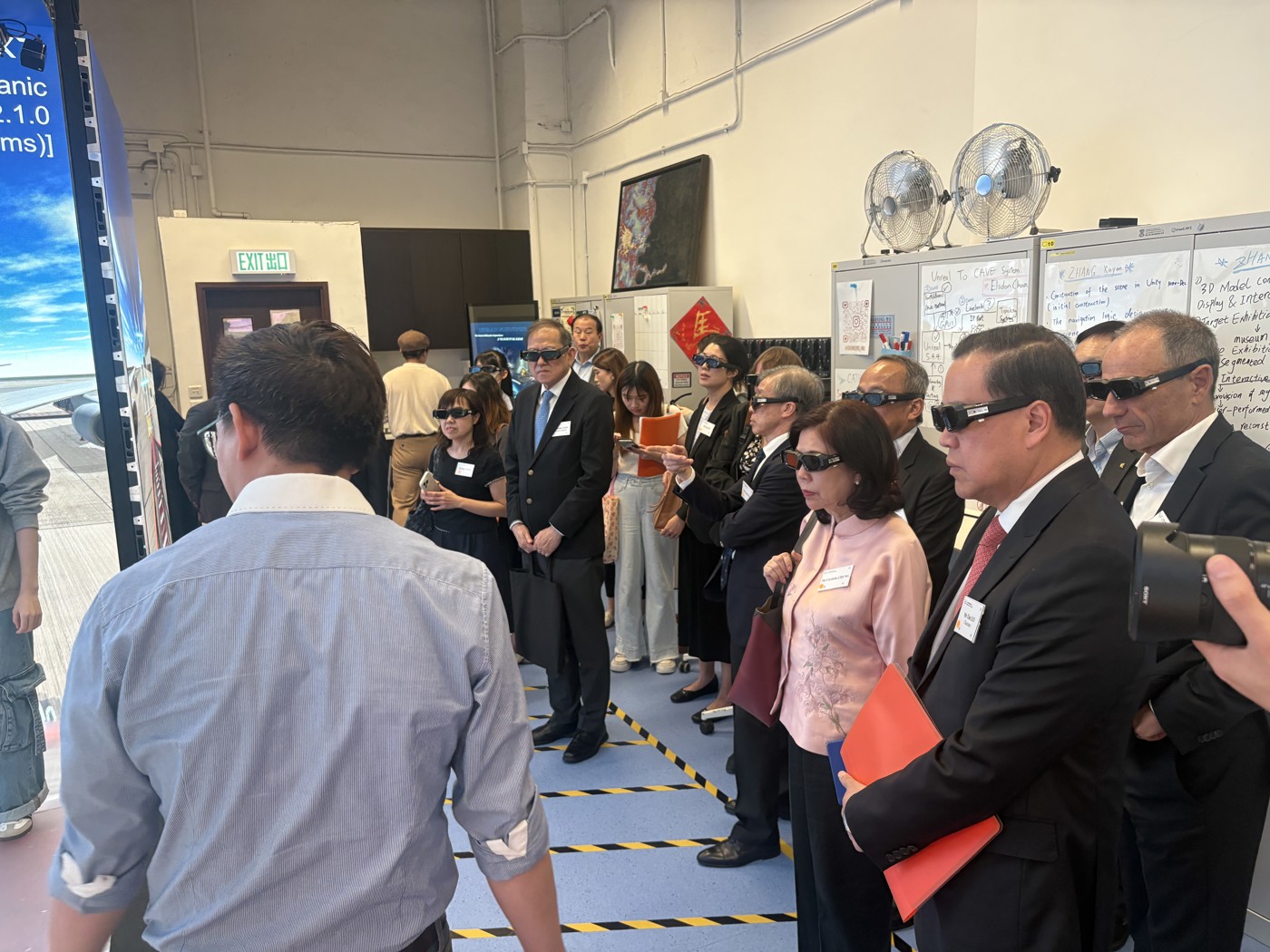
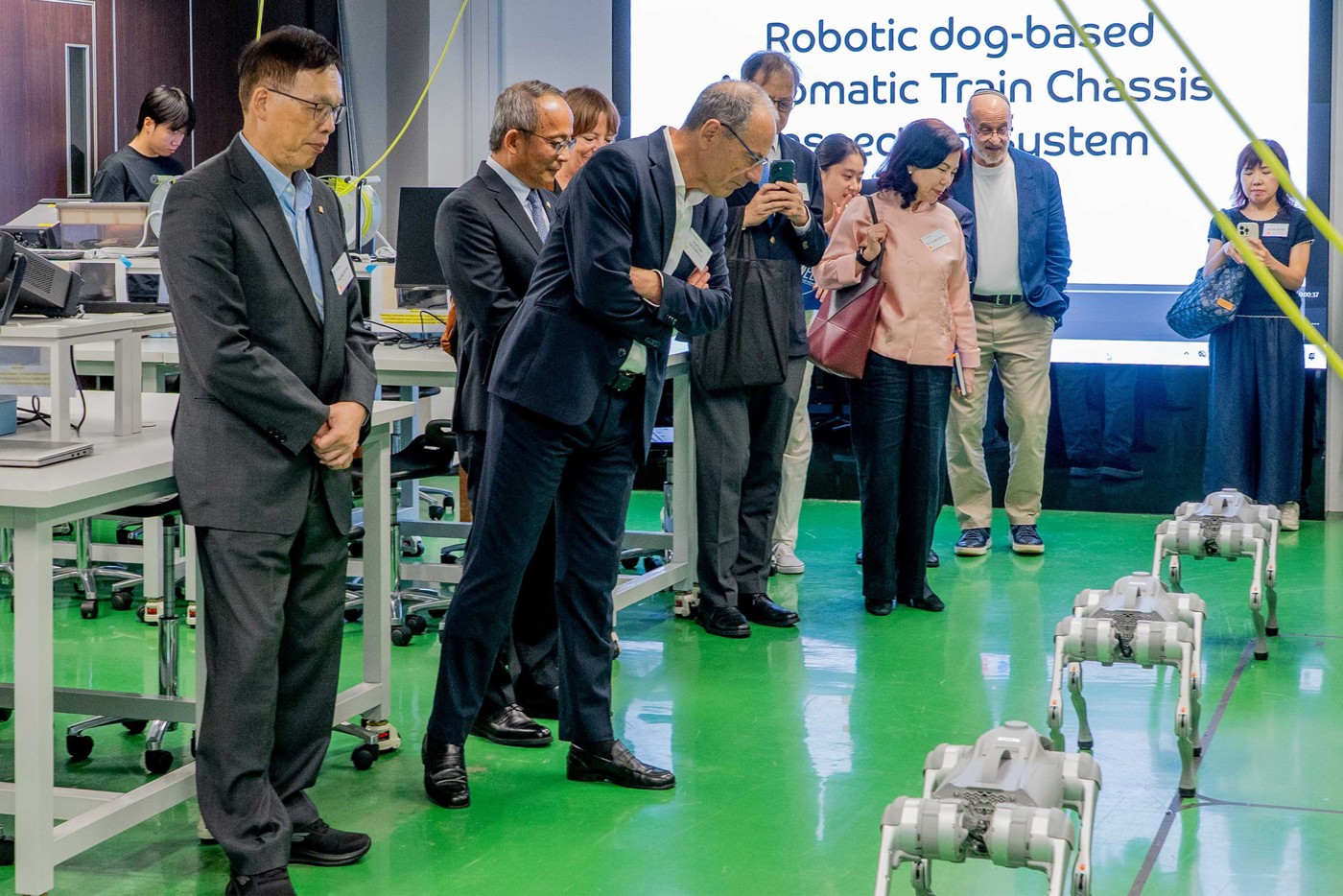
The delegation next attended two showcases by the Faculty of Engineering, conducted by the Human-System Interaction and Simulation Laboratory (HIS Lab) and RoboCPS Team. UGC Members took part in an interactive experience with daseCAVE operated in the HIS Lab, HKU’s immersive visualisation system for research, education, and industry applications. Students from the RoboCPS Team then briefed the delegation on advanced robotic systems, followed by a demonstration featuring quadruped robotic dogs. These activities illustrated HKU’s cutting-edge research capability in robotics, cyber-physical systems and AI.
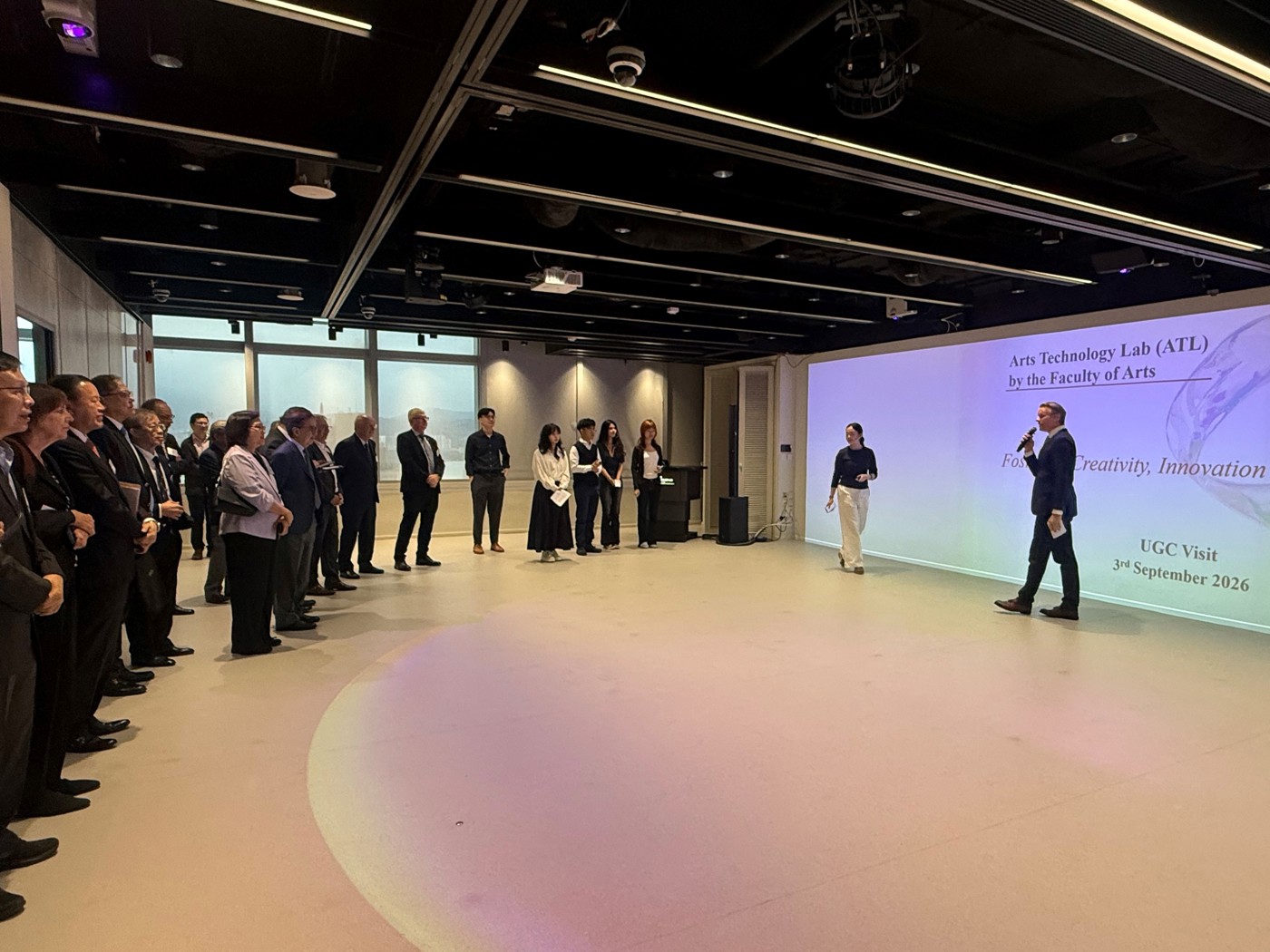
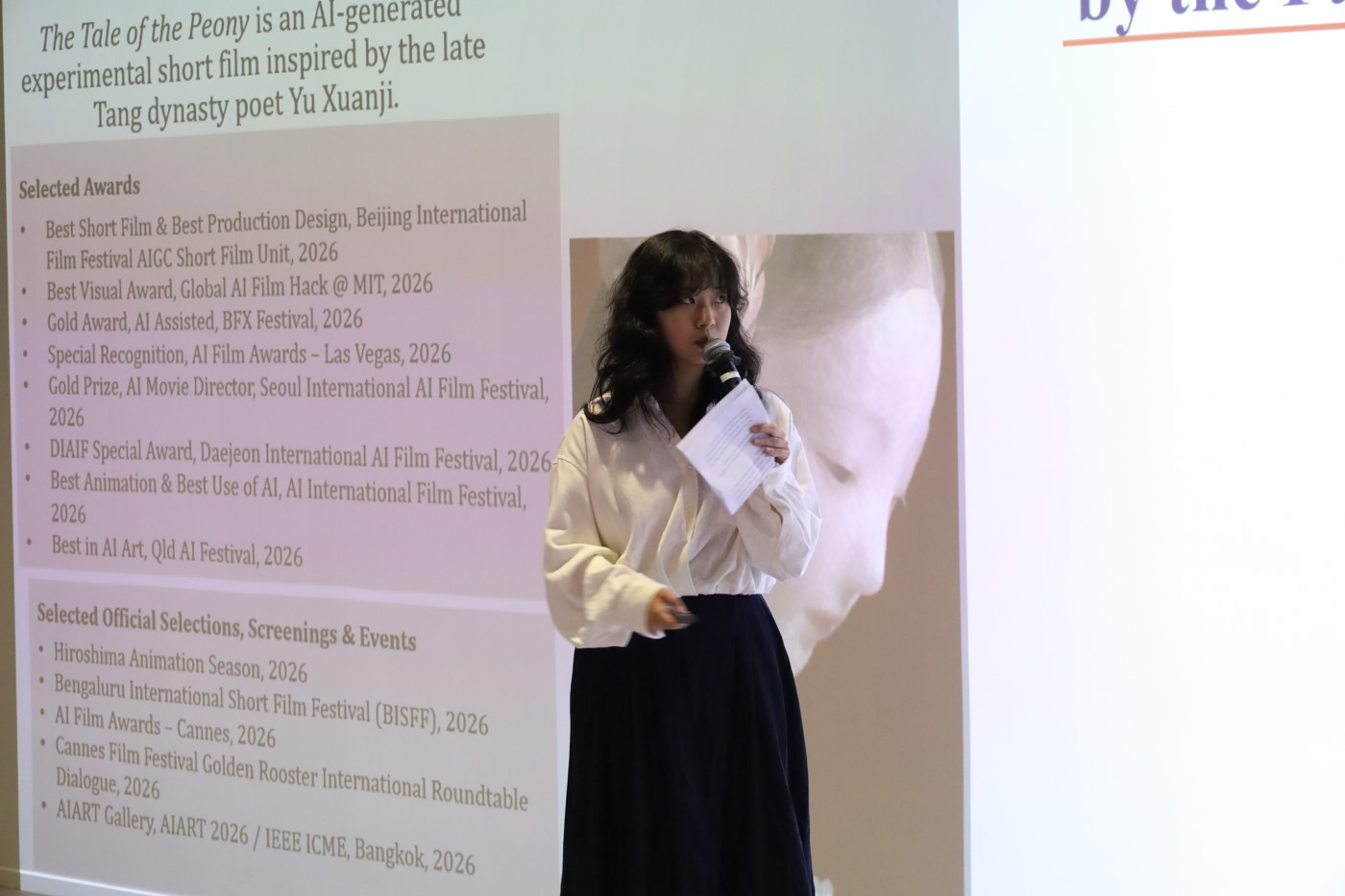
The visit continued at the Arts Technology Lab (ATL), where the delegation explored how emerging technologies are transforming research, teaching and creative practice in the humanities. Through ATL’s digital infrastructure and technology-enhanced learning spaces, the delegation learned how HKU advances interdisciplinary collaboration and fosters innovation in digital humanities, cultural heritage preservation, and creative technologies.
UGC members also engaged in dialogue sessions with 40 faculty members and around 50 students from a range of academic disciplines and levels. The discussions provided the delegation with insights into HKU’s outstanding teaching and research achievements, its vibrant international academic community, and its ongoing efforts to drive innovation and generate societal impact through education and research.
Expressing his gratitude to the UGC delegation for visiting HKU, Professor Zhang thanked UGC for its unwavering support for the University. He reaffirmed HKU’s commitment to realising its vision to be a world-leading university transforming humanity’s future.

Related Topics
Related News