
Research & Discovery
Is It Time to Treat Marine Heatwaves as a Public Health Issue?
Marine heatwaves are not just an ecological crisis; they are a growing public health emergency, according to new research from researchers at The University of Hong Kong and Adelaide University.
Researchers from HKU’s School of Biological Sciences and the Swire Institute of Marine Science (SWIMS), as well as Adelaide University, argue that prolonged periods of unusually high ocean temperatures pose significant risks to human physical and mental well-being. Their findings, published in the prestigious journal Nature Sustainability, call for marine heatwaves to be treated with the same urgency as land-based heatwaves in public health planning.
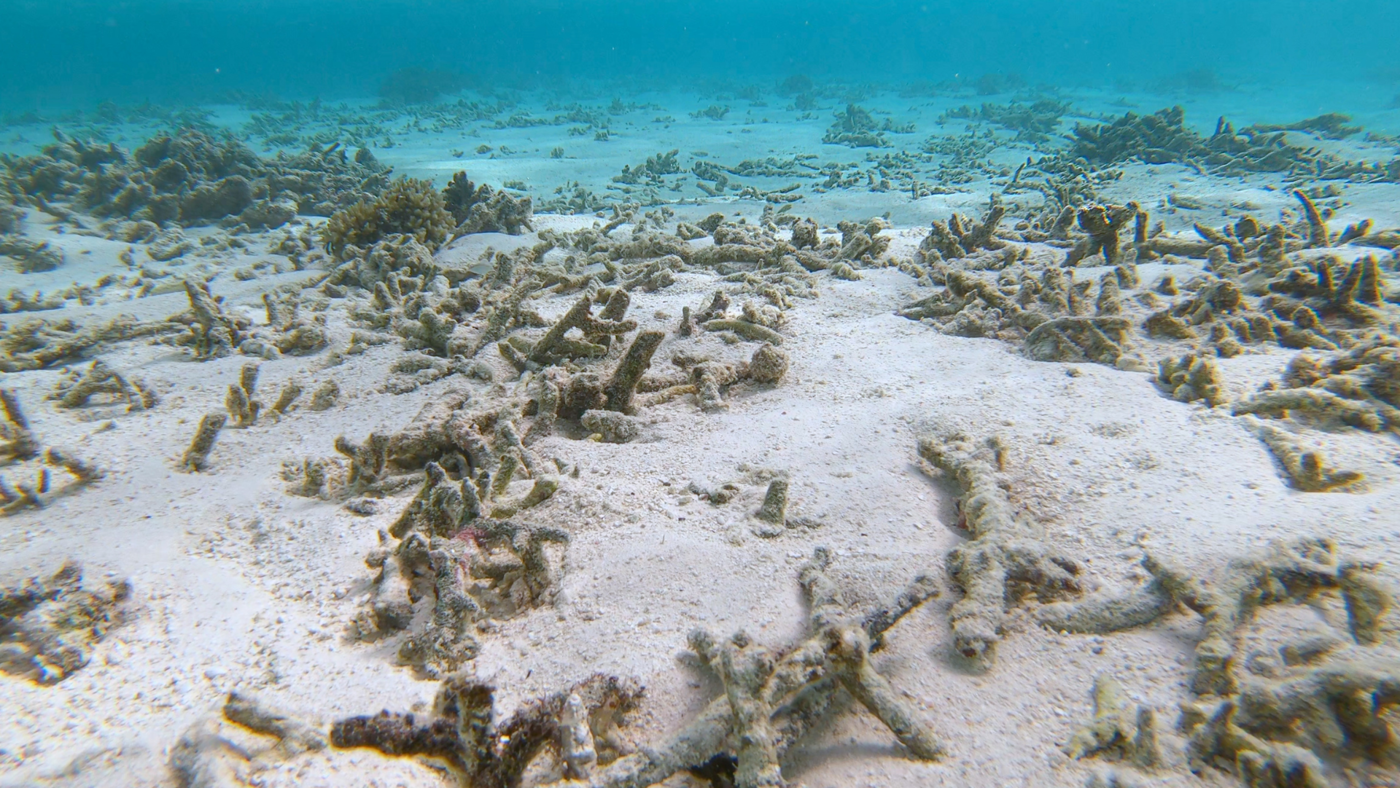
While the damage to coral reefs and marine ecosystems is widely recognised, the study highlights that these environmental shifts have direct consequences for people. Higher ocean temperatures can intensify extreme weather events, leading to more severe storms and flooding that increase risks of injury and displacement. Furthermore, marine heatwaves can trigger harmful algal blooms, contaminating seafood supplies and posing food safety threats.
The impact extends beyond physical health. For coastal communities, particularly in Asia where hundreds of millions depend on the ocean for food and livelihoods, the loss of fisheries and aquaculture resources can lead to economic instability. This disruption often results in stress, anxiety, grief, and uncertainty about the future.
“The devastating effects of marine heatwaves on marine ecosystems have been recognised for some time. What has been missing from the conversation is what these events mean for people,” said Professor Bayden Russell, Associate Professor of Ecology & Biodiversity at HKU and senior author of the paper. “For many people, the ocean is much more than a place for recreation. It provides food, income, cultural identity and a sense of place.”
When marine resources are damaged, communities can experience substantial psychological impacts that remain largely understudied, he added.
The study’s corresponding author, Dr Laura Falkenberg of Adelaide University, emphasised the need for proactive planning. “Recognising these health impacts is the first step towards better protecting communities,” she said. “Better planning today can reduce future health risks.”
To that end, the paper recommends integrating marine heatwave forecasts into public health strategies. This includes strengthening collaboration between ocean scientists, health authorities, and resource managers to prepare communities in advance rather than merely documenting impacts after they occur.
Related Topics
Related News