
Research & Discovery
Did US Sanctions Actually Strengthen Chinese Corporate Science?
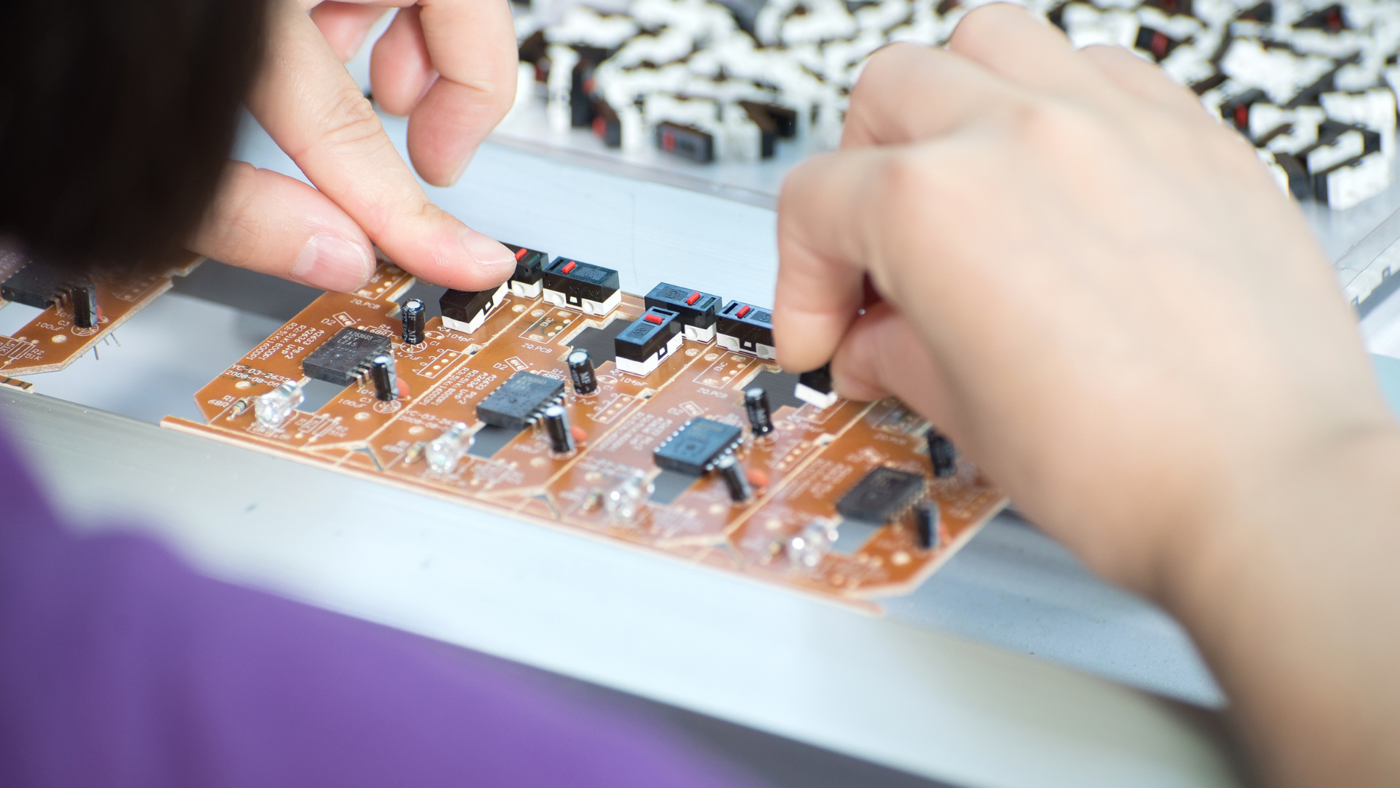
US efforts to restrict access to proprietary technologies may have had an unintended consequence, accelerating Chinese firms’ engagement with scientific research to drive innovation.
A joint study published in the prestigious journal Science and co-authored by Professor Yanbo Wang of the HKU Business School found that these external constraints have motivated Chinese companies to pivot toward scientific research, potentially narrowing the technological divide between China and the US in the long term.
Analysing data from 2010 to 2022, the researchers observed a significant surge in “science-linked patents” — those citing academic literature — among Chinese firms. The number of such patents granted to Chinese firms by the United States Patent and Trademark Office grew more than 13-fold in that time, compared to just a 1.3-fold increase for their US peers.
Professor Wang, who co-authored the paper with Professor Junhan Wang of Shenzhen University and Professor Xibao Li of Tsinghua University, noted that sanctioned companies did not merely turn inward. Instead, they expanded their knowledge sourcing, increasing citations of scientific research from non-US foreign sources and even US institutions.
“We saw ever larger and larger numbers of Chinese firms producing scientific knowledge,” Professor Wang said. “We also found that Chinese firms suffering from sanctions took science particularly seriously. In the past, they were satisfied being part of a global innovation ecosystem, even if it was dominated by the US. But now they realise that’s a risky proposition.”
Despite this rapid acceleration in scientific capacity, the study highlights that Chinese firms still lag behind US counterparts in the breadth and depth of scientific engagement. In 2021, the international research output of US listed firms was five times higher than the annual average of Chinese listed firms.
Professor Wang believes that, as external pressures drive Chinese firms toward science-based innovation and the search for substitutes for restricted US-origin technologies, China could potentially build its own innovation ecosystem.
“Chinese firms are still learning a lot from the US, but now they’re forced to develop their own tech that may or may not be compatible with the ones led by the U.S.,” he said. “Taken to the extreme, this could lead to a Chinese or Chinese-led innovation ecosystem.”
“That could be something the US didn’t intend.”
Read the full paper in Science here.
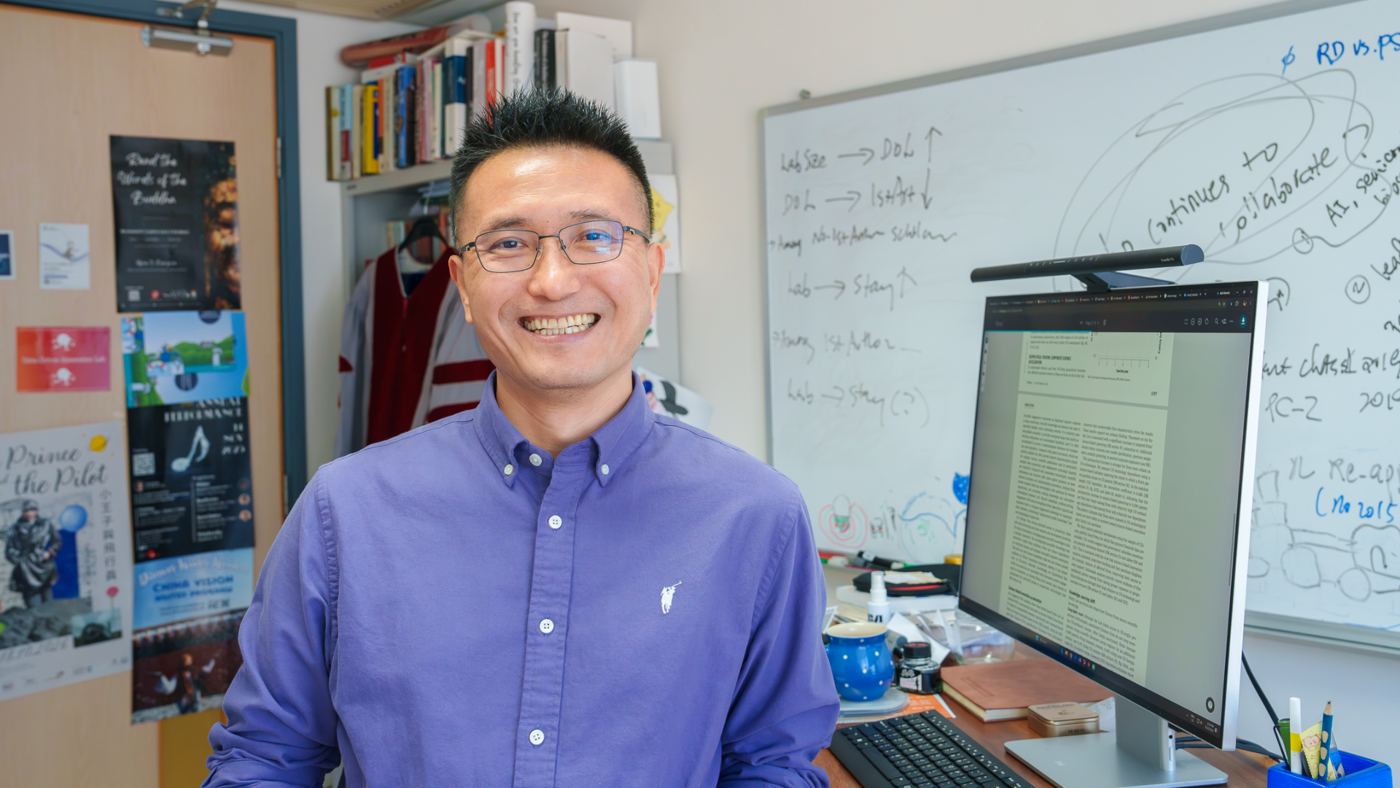
Professor Yanbo Wang in his office at the HKU Business School.
Related Topics
Related News