
People
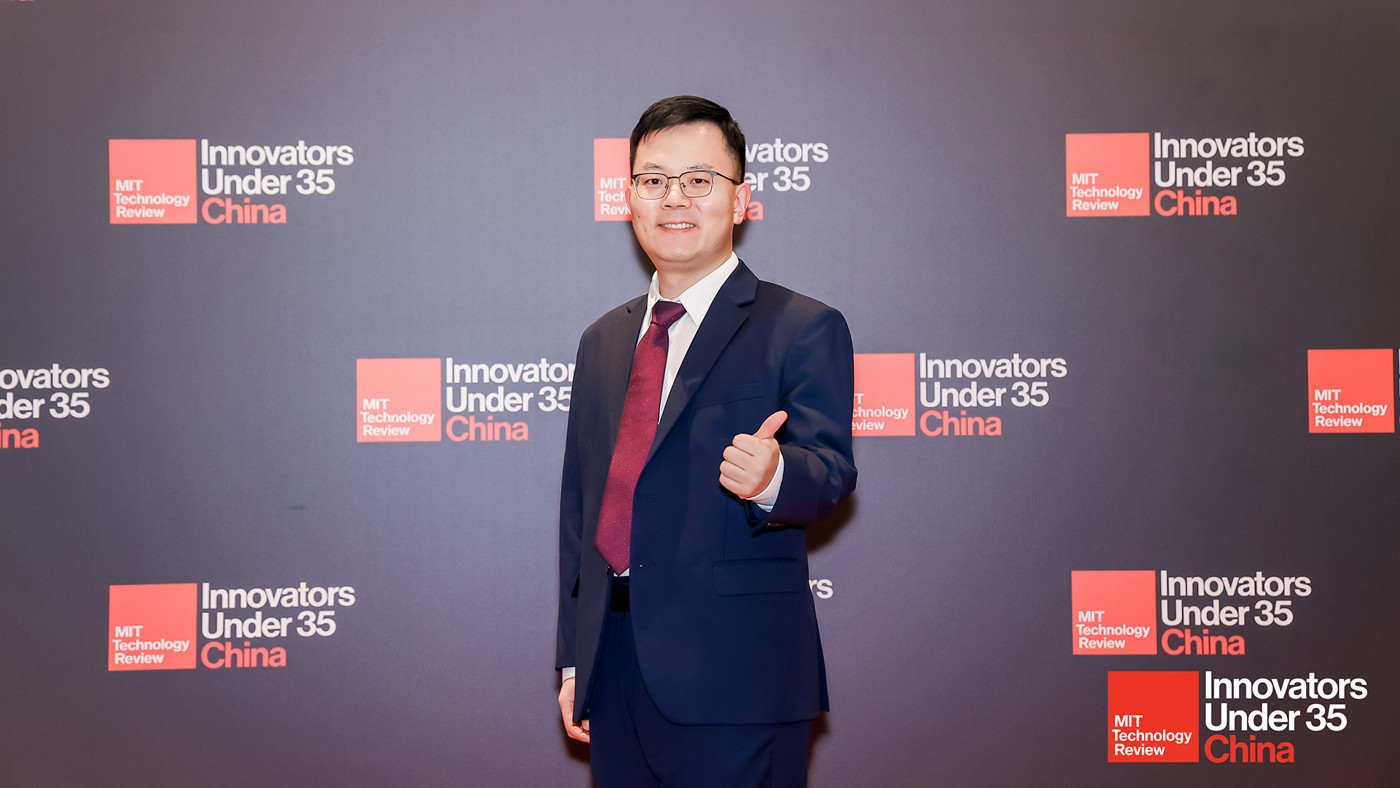
HKU Professor Ruibang Luo Wins 2026 APEC ASPIRE Prize
Genomic sequencing can support earlier disease detection, precision medicine and safer food systems, but only if scientists can analyse vast and highly diverse DNA datasets quickly and reliably.
Professor Ruibang Luo of the School of Computing and Data Science at The University of Hong Kong has been awarded the 2026 APEC Science Prize for Innovation, Research and Education (ASPIRE) for work that addresses this challenge through the use of artificial intelligence.
Professor Luo, Assistant Director (Learning Experience & Student Enrichment) and Associate Head of CDS' AI & Data Science Department, was selected as the sole winner of this year’s prize by regional vote among nominees from APEC’s 21 member economies. The annual ASPIRE Prize recognises outstanding early-career scientists who have demonstrated scientific excellence and a strong commitment to cross-border collaboration across the Asia-Pacific Economic Cooperation region. Each member economy may nominate one scientist under the age of 40, with a single winner chosen through a regional selection process.
Professor Luo’s research focuses on AI-powered computational tools for analysing complex genomic data. His breakthroughs have made genomic sequencing faster, more accurate and highly cost-effective, with applications in healthcare, food security and biotechnology. His innovations are also supporting practical and clinical solutions for disease prevention, precision medicine and clinical decision support.
Open-source AI tools developed by Professor Luo and his team have been downloaded more than 10 million times worldwide, with approximately 60 percent of downloads originating from other APEC economies. These tools are widely integrated into global healthcare, agricultural and medical biotechnology industries.
“The algorithms developed by my lab are now being integrated into clinical decision-support systems that can help detect early-stage cancer and rare diseases in newborns. For me, that is what innovation is about; turning research into tools that can help save lives,” said Professor Luo.
APEC said the ASPIRE Prize represents “not only excellence in science and technology, but also APEC’s collective aspiration to address global challenges through collaboration and forward-looking leadership.” This year’s award recognises “outstanding contributions that harness AI and data science to strengthen industries and build resilient economies for the future.”
Related Topics
Related News