
Student Life
Studying at HKU? Don’t Miss These Four Campus ‘Hidden Gems’
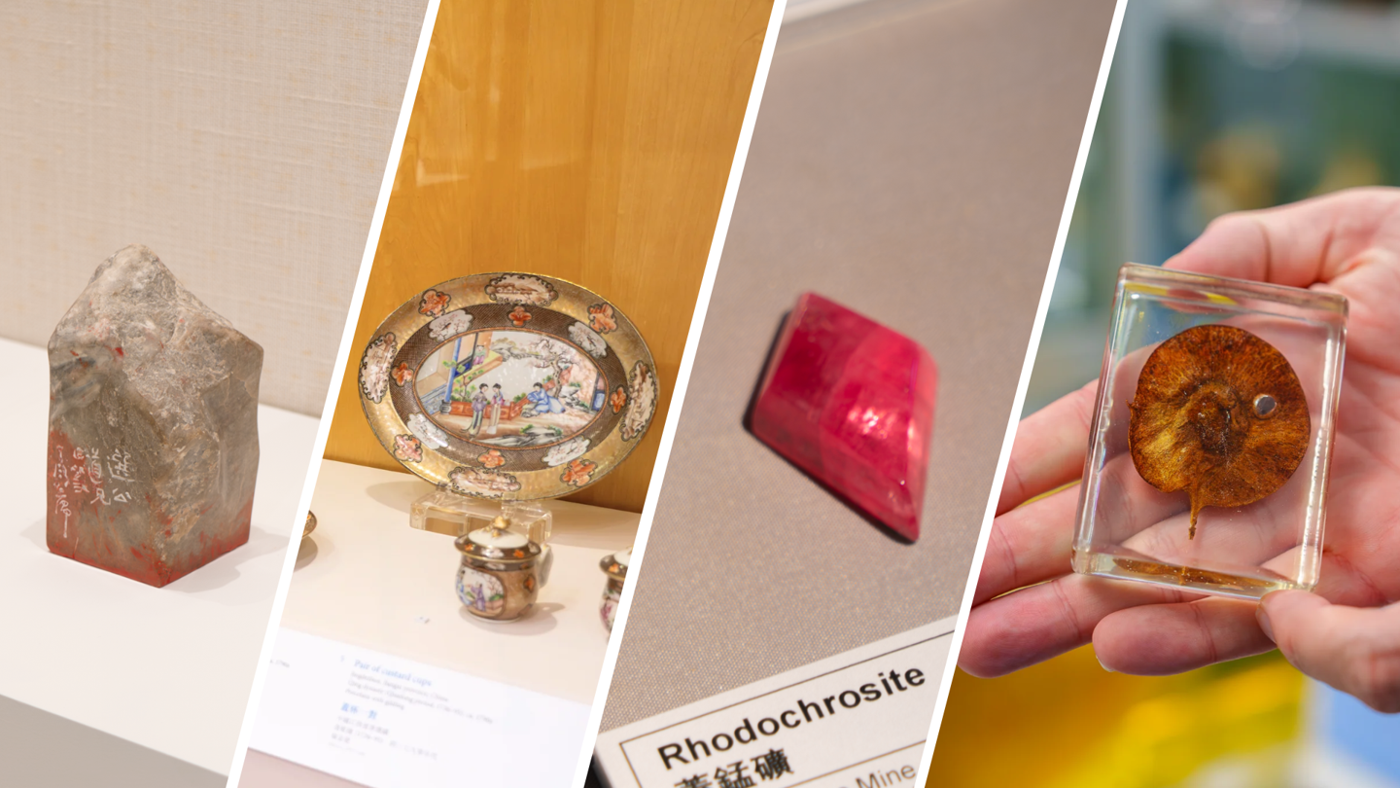
This article is part of an ongoing series about HKU’s museums.
What if today, instead of planning the shortest route, we handed the map over to our curiosity?
Beyond the frantic tempo of the semester and the urban noise, four doors sit quietly hidden across the HKU campus. They may not often appear in the most popular photo-spot guides, yet each opens into the depths of art, geology, life, and Chinese cultural heritage.
01|University Museum and Art Gallery (UMAG), HKU
The oldest continuously operated museum in Hong Kong
Our first stop is Fung Ping Shan Building, located right at the East Gate entrance of HKU Main Campus. As the oldest university museum in Hong Kong, its exterior faces a bustling intersection, yet its interior houses a wealth of precious collections.
Fung Ping Shan Building is a work of art in its own right.
As one of Hong Kong’s declared monuments, its façade is built primarily of red brick. Above the central atrium on the upper level sits a curved gallery supported by octagonal columns, bathed in natural light filtering through a large central skylight in the roof.
The collections inside UMAG warrant a thorough exploration, featuring ancient and modern Chinese paintings, calligraphy, ceramics, bronzes, and jades.
What touches visitors most here is not grand royal masterworks set up on pedestals, but authentic artefacts imbued with human warmth and historical stories. For instance, the museum houses a set of export porcelain tableware produced in the 1790s, lavishly decorated with complex underglaze and overglaze enamel with gold. While this intricate style was not popular in China at the time, it became a coveted top-tier luxury across Europe and the Americas—even the renowned Rockefeller family in distant New York collected identical pieces.
Opening Hours (Free Admission):
· Tuesday to Saturday: 9:30 am – 6:00 pm
· Sunday: 1:00 pm – 6:00 pm
· Closed on Mondays, Public and University Holidays.
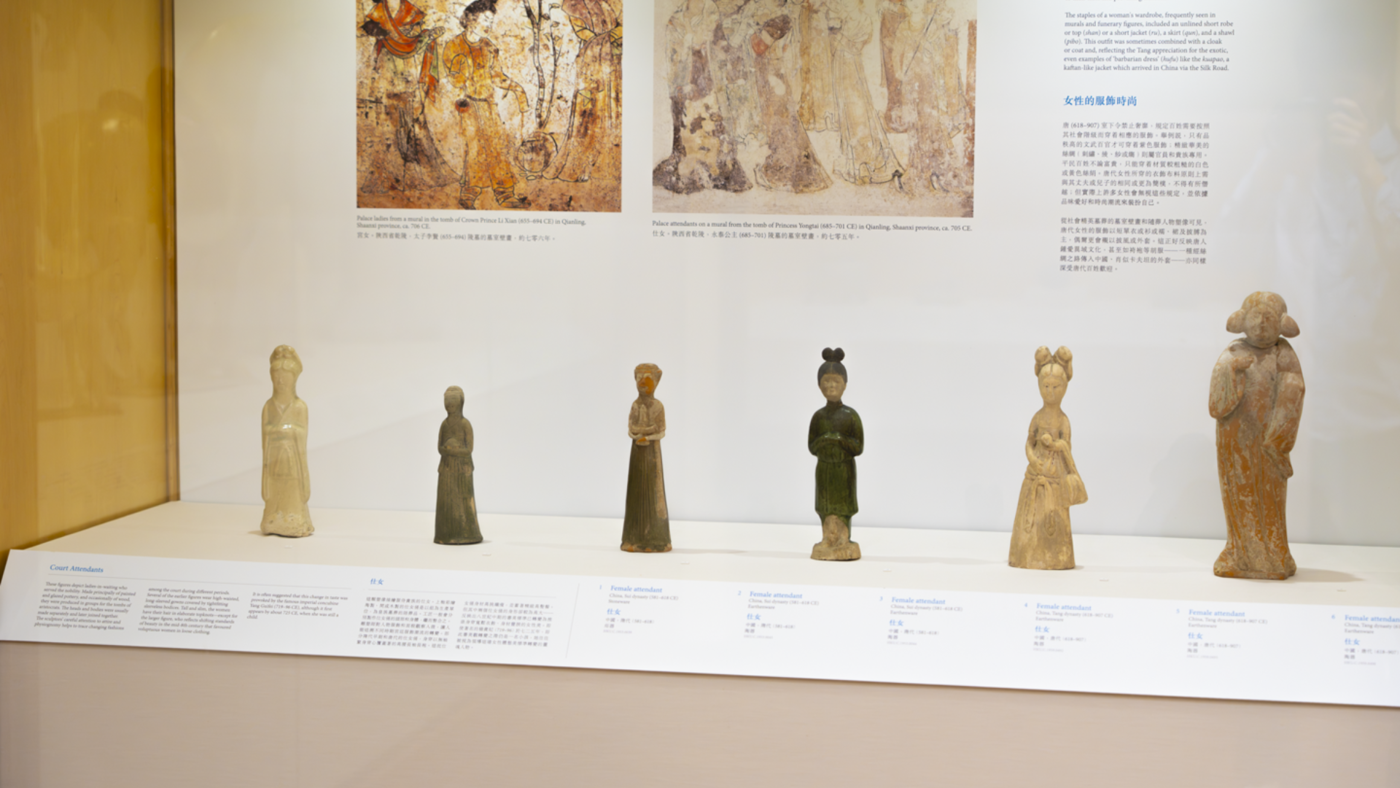
02|Jao Tsung-I Petite Ecole
A whiff of classical scholarship amid the bustling city
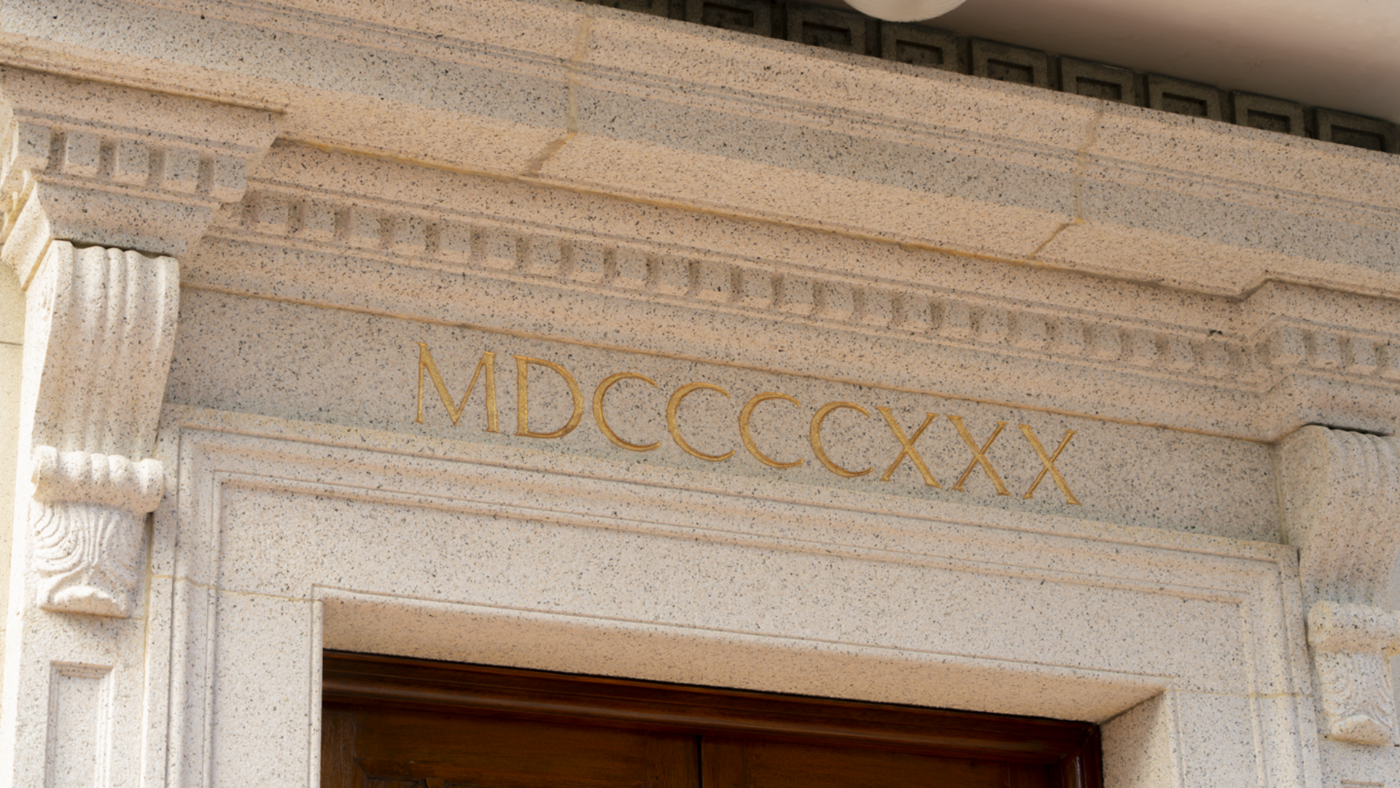
Nestled right behind Fung Ping Shan Building, Hung Hing Ying Building (Hung Hing Ying Building / Tang Chi Ngong Building — Note: Tang Chi Ngong Building) is an elegant Neo-Classical building, also designated as a declared monument in Hong Kong.
The inscription "MDCCCCXXX" engraved on the lintel silently commemorates its long history, dating back to 1930.
The Jao Tsung-I Petite Ecole forms a deeply cherished link in HKU’s rich cultural lineage. It has never been a sight to be rushed through for a quick photo, but rather a peaceful sanctuary where you can stop and catch your breath. The museum houses rare ancient books as well as nearly two hundred original works of calligraphy and painting generously donated by Professor Jao Tsung-i.
Beyond academic research, the Petite Ecole presents splendid special cultural exhibitions to the public year-round. Starting from 5 November 2026, the museum will launch a brand-new special exhibition “The World within a Square Inch: A Selection of Seals from the Jao Tsung-I Collection” on Professor Jao’s personal seals. For the first time, it will comprehensively display a collection of precious seals, studio seals, and commemorative leisure seals. From travel seals that engrave his footsteps to exquisite seal carvings by master artists, the collection fully reflects the noble character and spirit of a legendary scholar.
Opening Hours (Free Admission, Visitor Campus Registration Required):
· Monday to Friday: 10:00 am – 5:00 pm
· Closed on Saturdays, Sundays, Public and University Holidays.
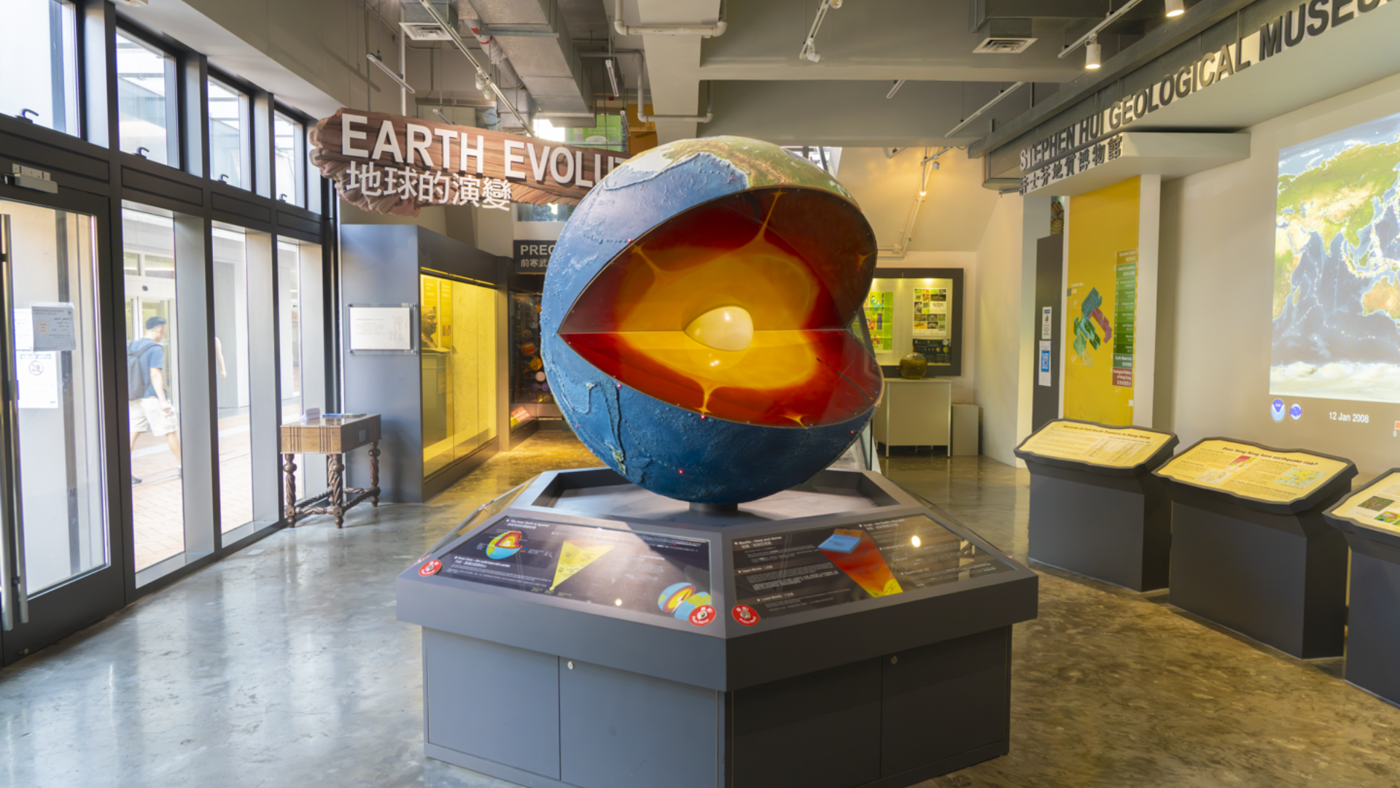
03|Stephen Hui Geological Museum
Recalibrating the tempo of life over multi-million-year rock layers
Leaving behind the indoor spaces of art and aesthetics, we turn our gaze into the depths of the Earth.
Stepping into the Stephen Hui Geological Museum feels like entering a space where time stands still. In a campus life measured by semesters, deadlines, and calendars, geology offers a profoundly awe-inspiring perspective—a language belonging to rock strata, minerals, and hundreds of millions of years of "deep time".
Divided into four core thematic areas, the museum houses over a thousand specimens of rocks, minerals, and fossils. The display cabinets contain not only precious natural treasures—such as a piece of rhodochrosite(MnCO₃) from the Sweet Home Mine in the United States, made all the more precious because the mine has long ceased production and no new specimens can be produced—but also root our vision in the very land beneath our feet.
Beneath all this prosperity, Hong Kong's geological framework is remarkably grand: hard granite, accounting for roughly 30% of the local total, stands across the Kowloon Peninsula and northern Hong Kong Island, while the northeastern New Territories are rich in sedimentary rocks, silently recording vast geological changes over time.
Opening Hours (Free Admission, Visitor Campus Registration Required):
· Monday to Friday: 1:00 pm – 6:00 pm (Mornings reserved for guided tours)
· Closed on Saturdays, Sundays, Public and University Holidays.
04|Hong Kong Biodiversity Museum
Witnessing the miracles of life within an urban jungle
🌐 http://hkbiodiversitymuseum.org
Can silent specimens truly ignite people's interest in nature?
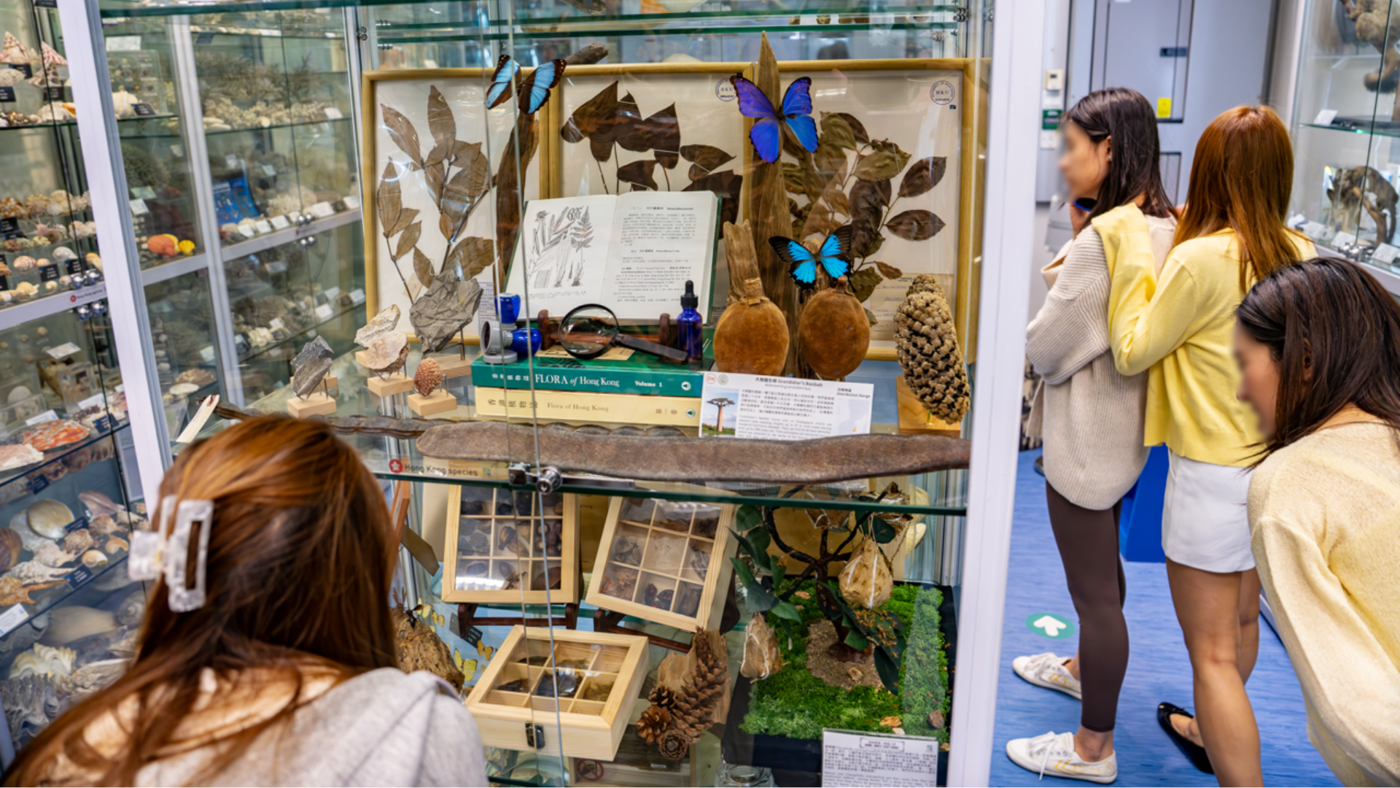
Stepping into the only biodiversity museum in the Greater Bay Area, you will find the answer here is far more inclusive than imagined. Departing from popular perspectives that favour only cute animals or birds of prey, the glass cabinets here present the authentic, full picture of nature—from large birds and beasts to often overlooked ants, wasps, and even seeds.
These specimens are by no means frozen history. They are not only vivid classrooms that dispel misconceptions about insects and rebuild public understanding of nature, but also a "biobank" carrying historical DNA. By extracting genetic information from samples, scientists can "travel through time" to trace the profound impacts of environmental changes on species evolution over recent decades.
Opening Hours (Free Admission, Booking Required):
· Wednesday, Saturday, and Sunday (Other times reserved for school/private group visits)
· 10:30 am – 5:15 pm (Maximum 16 visitors per slot)
When we call these these four places "hidden," it's not because they are out of reach, but because in the rush of our daily lives, it is all too easy to pass them by.
On the next sunny afternoon, let your curiosity draw a new HKU map for you.
Related Topics
Related News