
HKU Today
‘Don’t Retaliate, Talk’: Professor Mari Pangestu on How Asia Can Navigate Geopolitical Tensions
Amid rising geopolitical tensions and fragmenting global trade, how can emerging economies sustain growth and deepen regional cooperation?
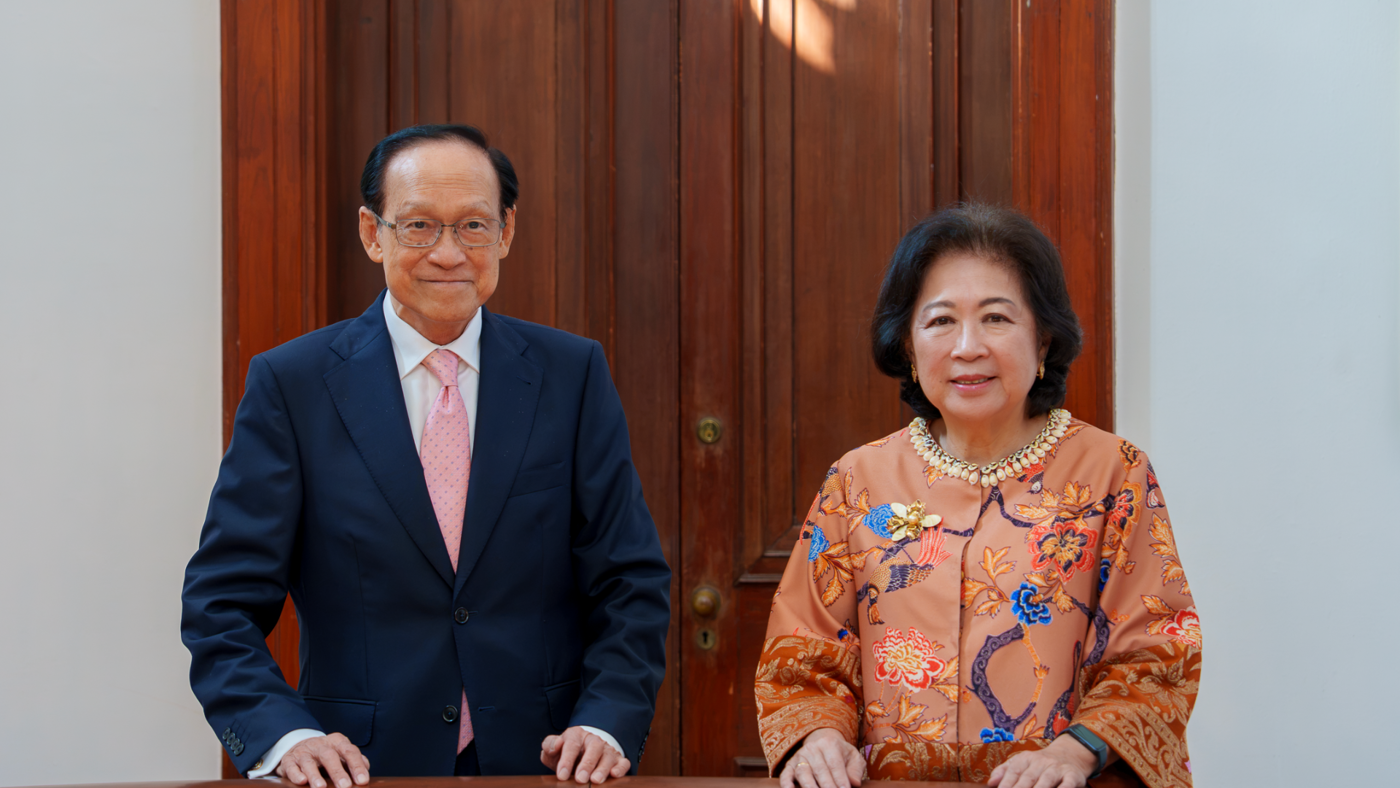
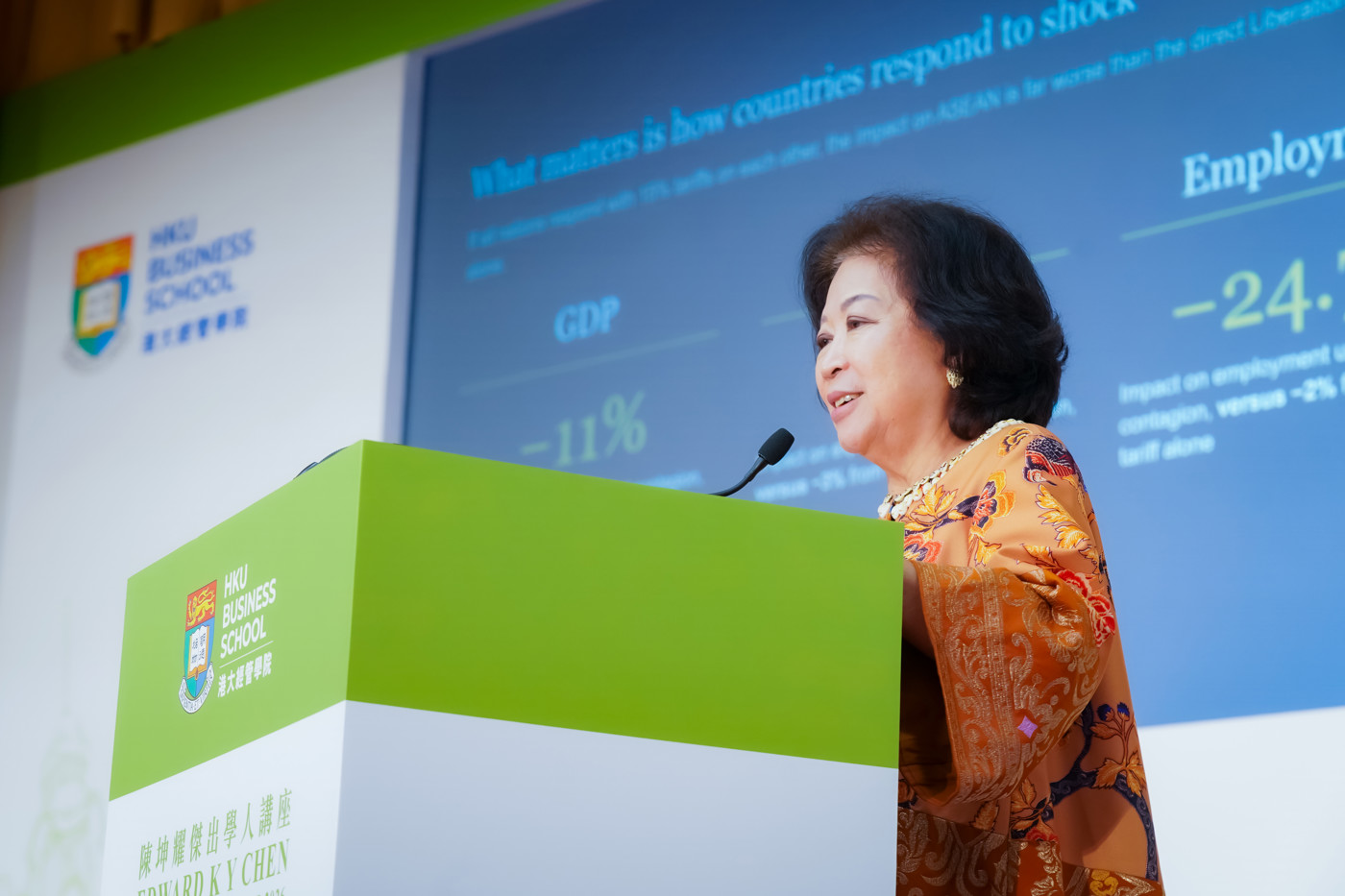
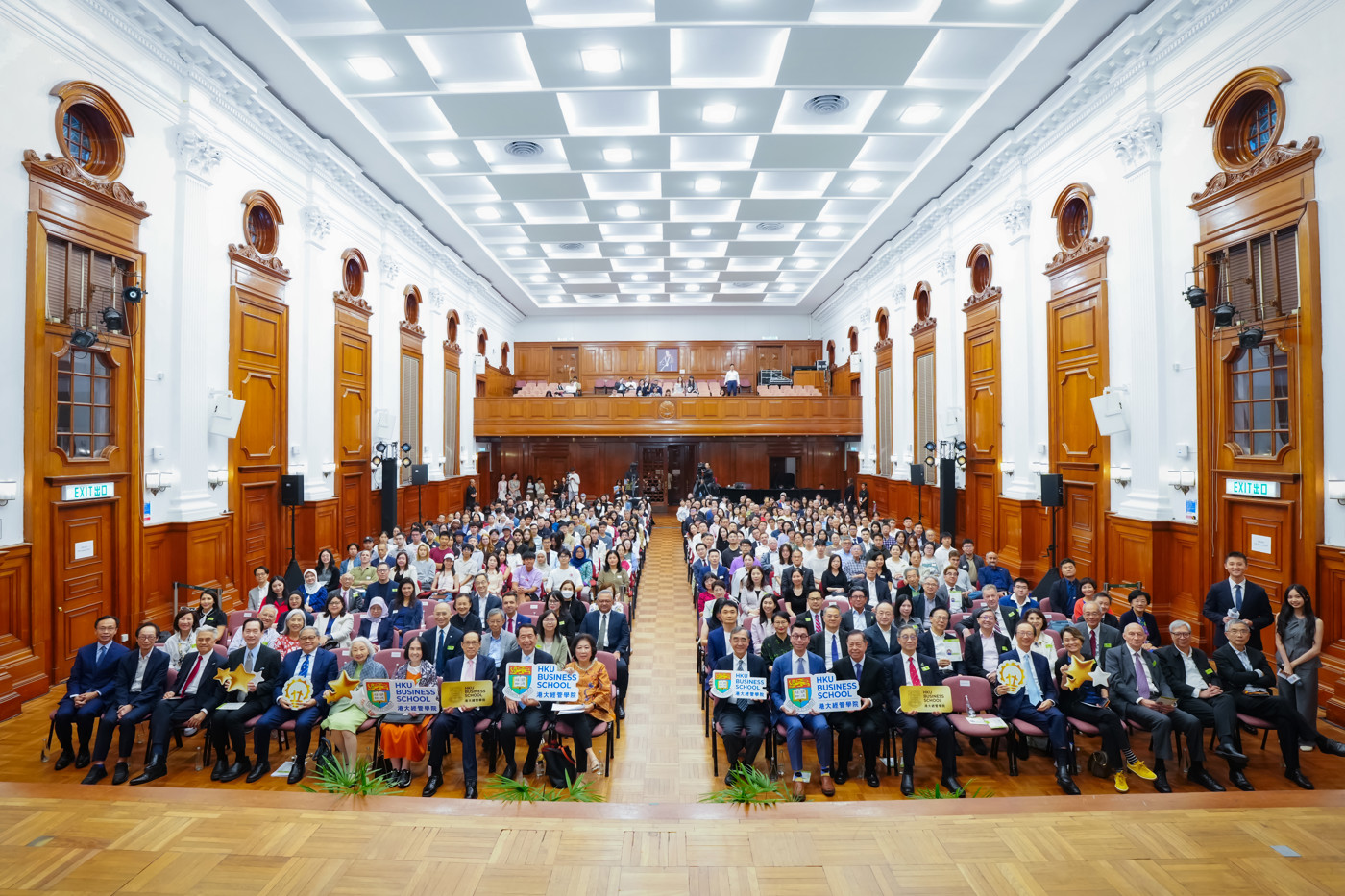
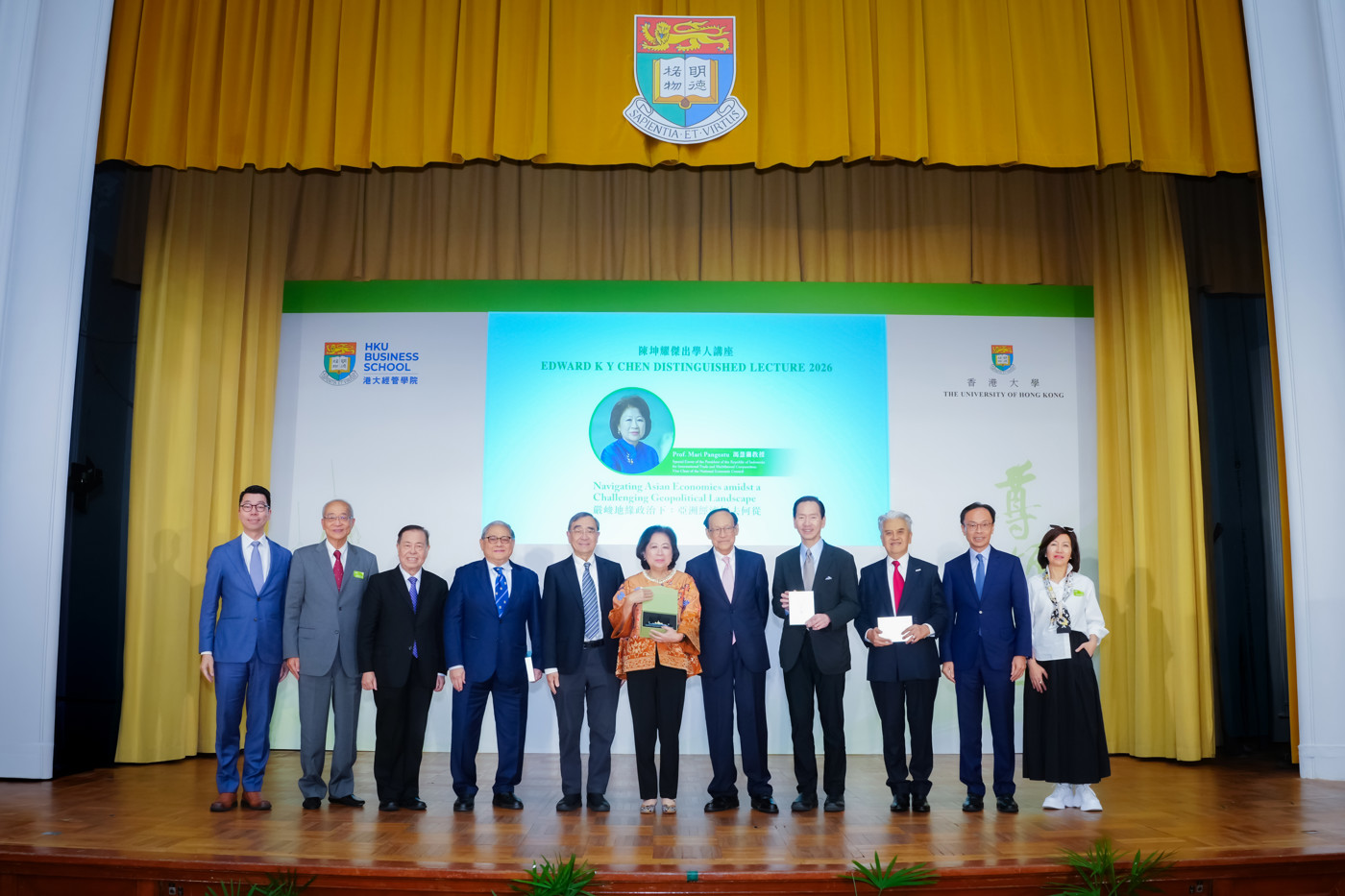
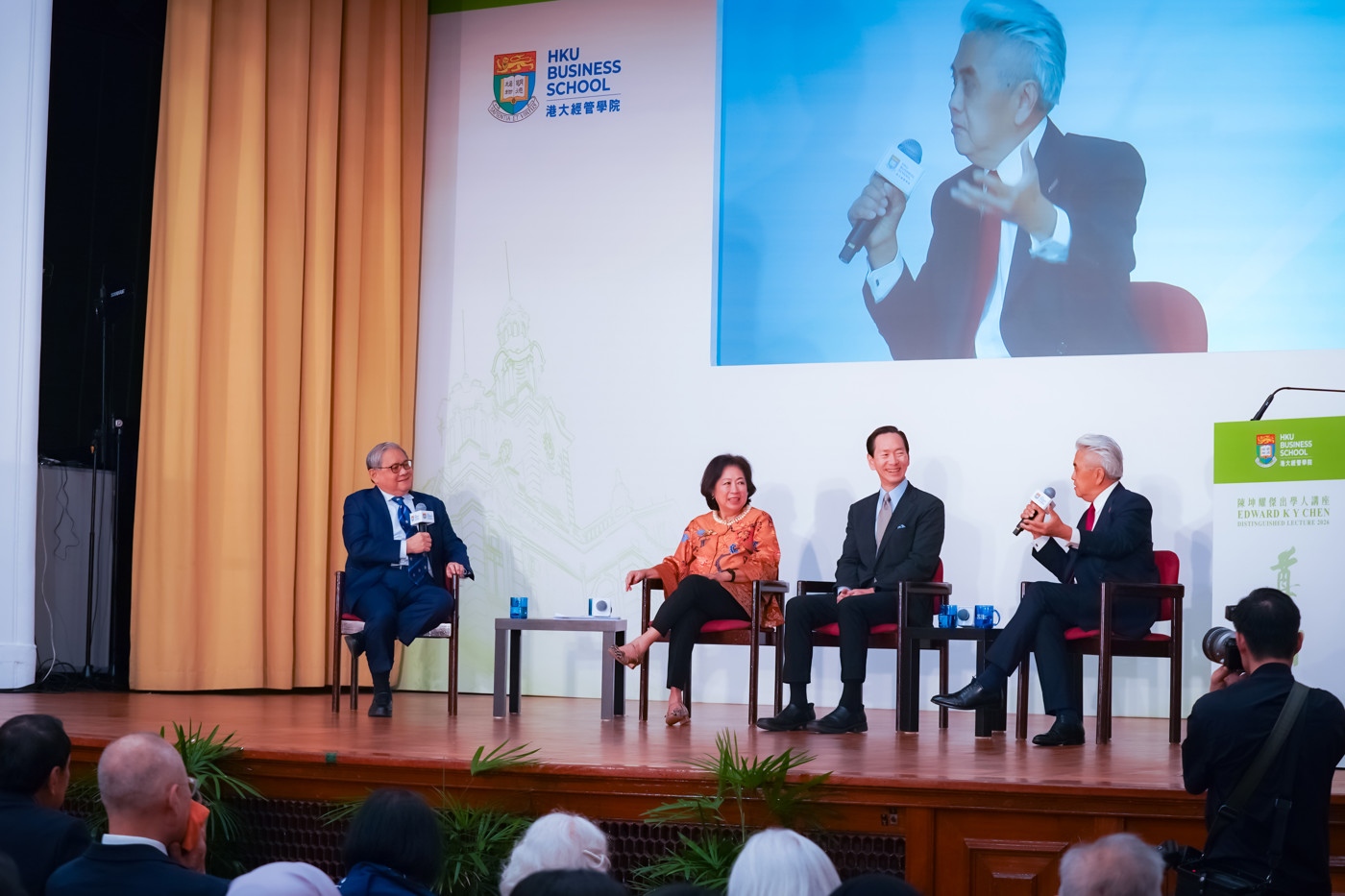
These challenges were at the heart of Professor Mari Pangestu’s Edward K Y Chen Distinguished Lecture 2026, organised by the HKU Business School on 7 October.
Special Envoy of the President of the Republic of Indonesia for International Trade and Multilateral Cooperation and a former Managing Director of Development Policy and Partnerships at the World Bank, Professor Pangestu said the answers will require resilience – and a renewed commitment to trade, multilateralism, and rules-based order.
“This time it’s different,” Professor Pangestu warned. “The region’s growth model depends on multilateralism, an open and rules-based trading system. But that order is now in retreat.”
Established through generous donations from former students in 2007, the Edward K Y Chen Distinguished Lecture Series brings some of the world’s top academics and professionals to campus to share their ideas and thoughts on the changing world landscape.
Past speakers have included Alibaba co-founder and Chairman Mr Joe Tsai, Blackstone Chairman Mr Stephen Schwarzman, and World Bank economist Professor Justin Yifu Lin. This year’s talk featured an introduction by HKU Provost and Deputy Vice-Chancellor (Interim) Professor YC Richard Wong, SBS, JP.
In her speech, ‘Navigating Asian Economies Amidst a Challenging Geopolitical Landscape’, Professor Pangestu outlined four major challenges affecting Asian and global economies: US-China tensions, geopolitical crises like the Strait of Hormuz, the green transition, and the AI moment.
“We have to recognise these tensions, shocks, and ruptures,” she said. “(Yet) what matters is not really the shock, but how countries respond.”
That means coordinating rather than retaliating, Professor Pangestu explained. She also said that regional economies can find resilience and strength in greater integration.
Rather than respond to trade shocks with unilateral tariffs, for example, she suggested carrying out domestic reforms and relying on already existing, rules-based tools like anti-dumping regulations.
“Don’t retaliate, talk,” she said.
After the lecture, Professor Pangestu took part in a panel discussion with members of Hong Kong’s business community, which highlighted the role the city can play as a ‘connector’ between Mainland China and ASEAN.
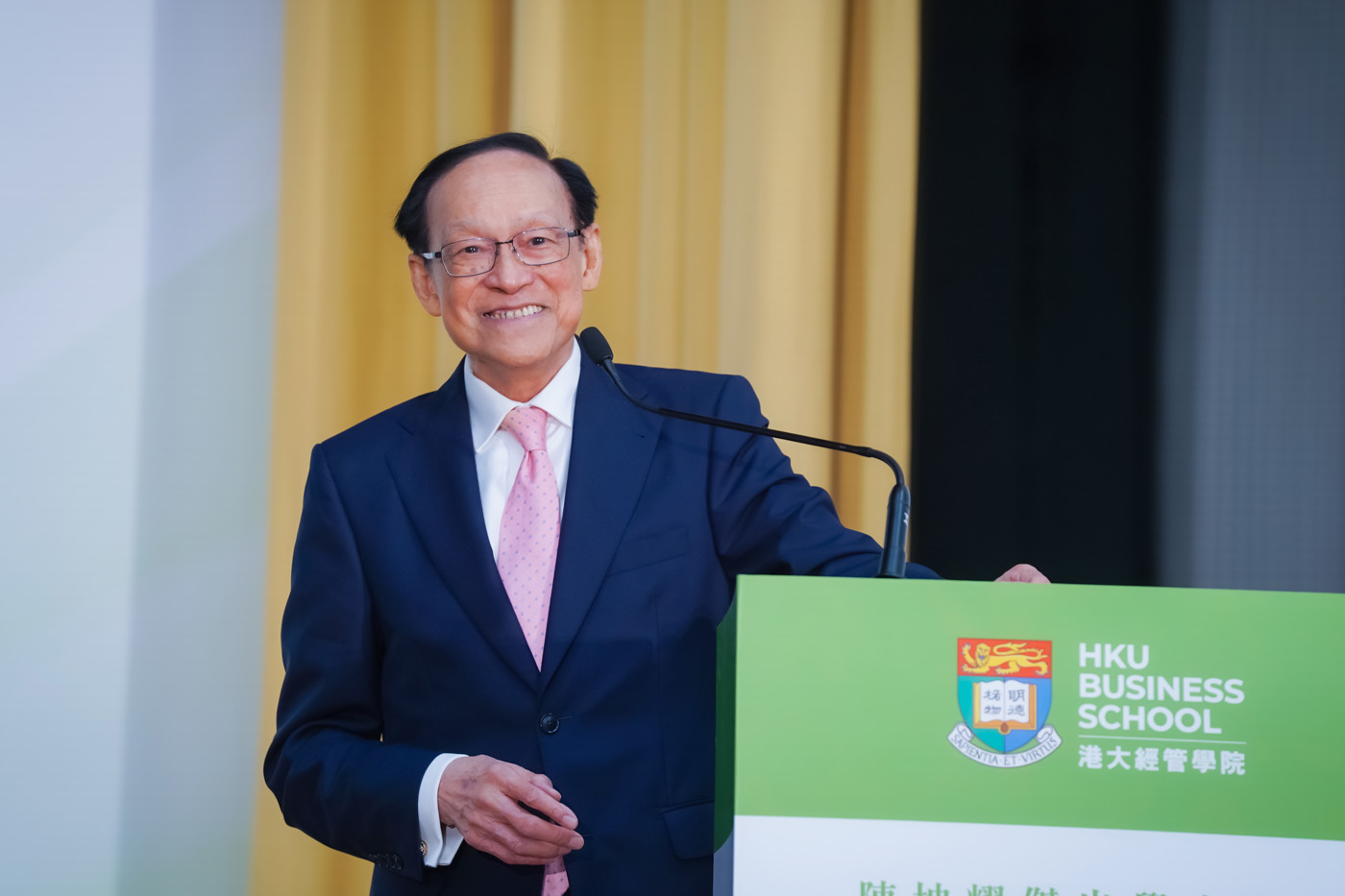
Professor Edward K Y Chen, a longtime HKU academic and free trade advocate in whose honour the lecture series is named, delivered closing remarks.
“Professor Pangestu started by giving us bad news,” he joked. “But she gave us good news later: a silver lining… It’s not the end of the world. The silver lining is resilience. With resilience, you can turn shocks into opportunities.”
To learn more about the Edward K Y Chen Distinguished Lecture, visit the HKU Business School page here.
Related News