
Research & Discovery
Nobel Laureate Launches Long-term Study to Detect Disease Before Symptoms Appear
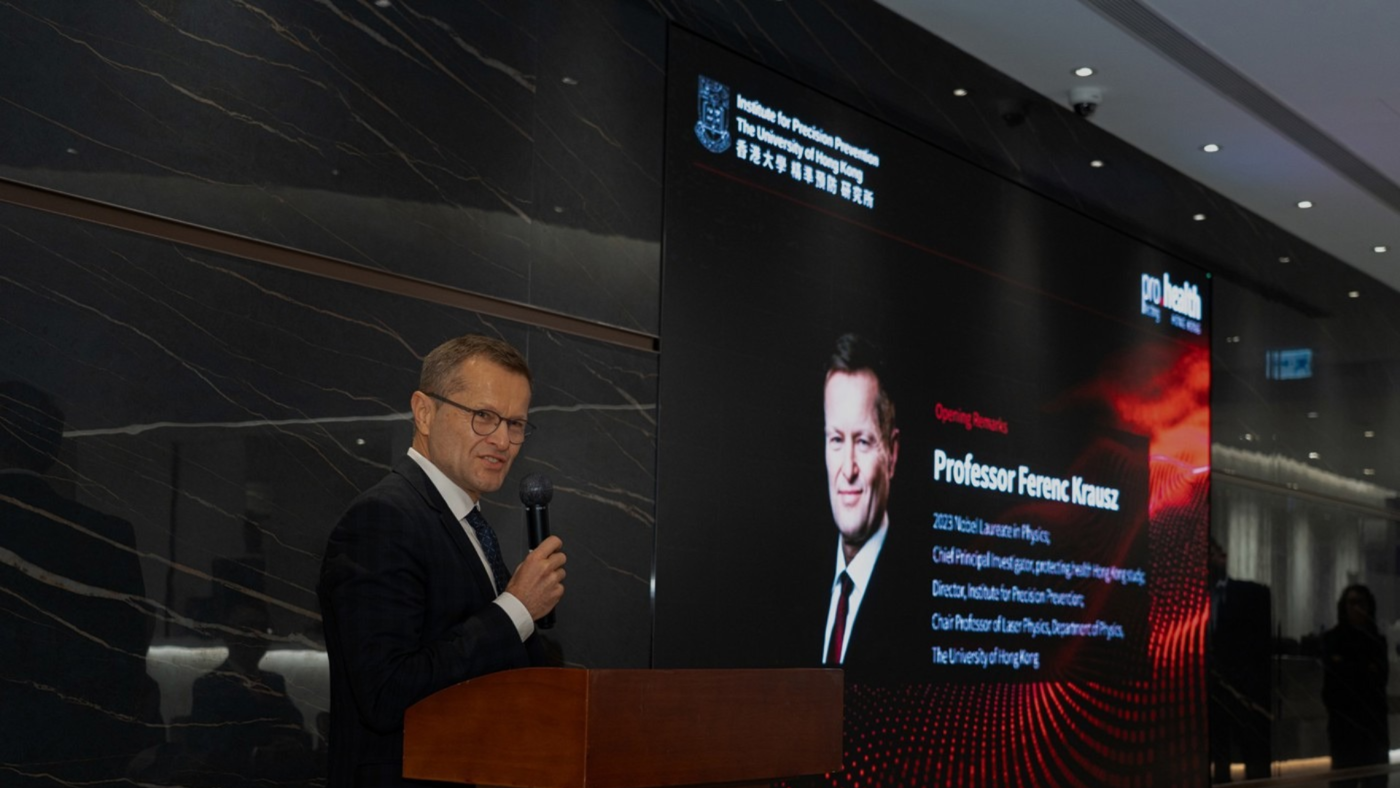
A long-term study that aims to detect the earliest molecular signs of major diseases years before symptoms emerge has officially launched in Hong Kong.
The Protecting.Health Hong Kong Study, led by 2023 Nobel Physics Laureate Professor Ferenc Krausz, Director of the Institute for Precision Prevention and Chair Professor of Laser Physics at HKU, will enrol 15,000 local participants over a programme spanning two decades. Participants will undergo regular clinical assessments and blood sampling during an initial 10-year active follow-up period, with an additional 10 years of health data collection through data linkage.
The study targets four major non-communicable diseases — cardiovascular disease, cancer, diabetes, and chronic respiratory diseases — which together account for the majority of premature deaths worldwide. Its ultimate goal is to develop an affordable, personalised health screening algorithm, designated PH1.0, capable of flagging disease risk long before a patient would normally seek medical attention.
At the core of the study is Electric-Field Molecular Fingerprinting, a technology rooted in Professor Krausz’s Nobel Prize-winning work on attosecond physics. The technique uses infrared light to read molecular patterns in a blood sample, detecting subtle changes that may signal the onset of disease while an individual is still healthy. By establishing each participant’s personal molecular baseline and tracking deviations over time using advanced molecular phenotyping and artificial intelligence, researchers hope to identify early signatures of disease risk that conventional screening would miss.
“Looking back, a single guiding thread has shaped my scientific journey: the drive to make the invisible visible again and again,” Professor Krausz said. “Modern medicine has become remarkably good at repairing the car after the engine breaks down. But it would be far more efficient if we could recognise the fault while the engine is still running well. That is exactly our ambition.”
The study has already entered its clinical phase. Its first participants — The Honourable Bernard Charnwut Chan, Dr the Honourable Wing-man Ko and Dr the Honourable Ching-choi Lam — have completed their baseline assessments and blood sample collections.
Professor Xiang Zhang, HKU’s President and Vice-Chancellor, described Professor Krausz as “a scientific giant who has crossed disciplinary boundaries into medicine to make a profound impact on human life and health.”
The Hong Kong study is a key component of the international Protecting.Health Initiative led by Professor Krausz, which brings together HKU’s Institute for Precision Prevention with research partners in Germany, Hungary and Ghana. Professor Dennis Ip, Associate Director and Co-Chief Principal Investigator, and Clinical Professor of Practice and Division Head of Community Medicine and Public Health Practice, School of Public Health, LKS Faculty of Medicine, will oversee the clinical execution and day-to-day operations of the programme in Hong Kong.
Professor Sophia Chan, the IPP’s Chief Scientific Advisor and Director of HKU’s Primary Health Care Academy, said the study supports Hong Kong’s broader shift towards preventive medicine. “This research translates cutting-edge science into direct benefits for our local community,” she said.
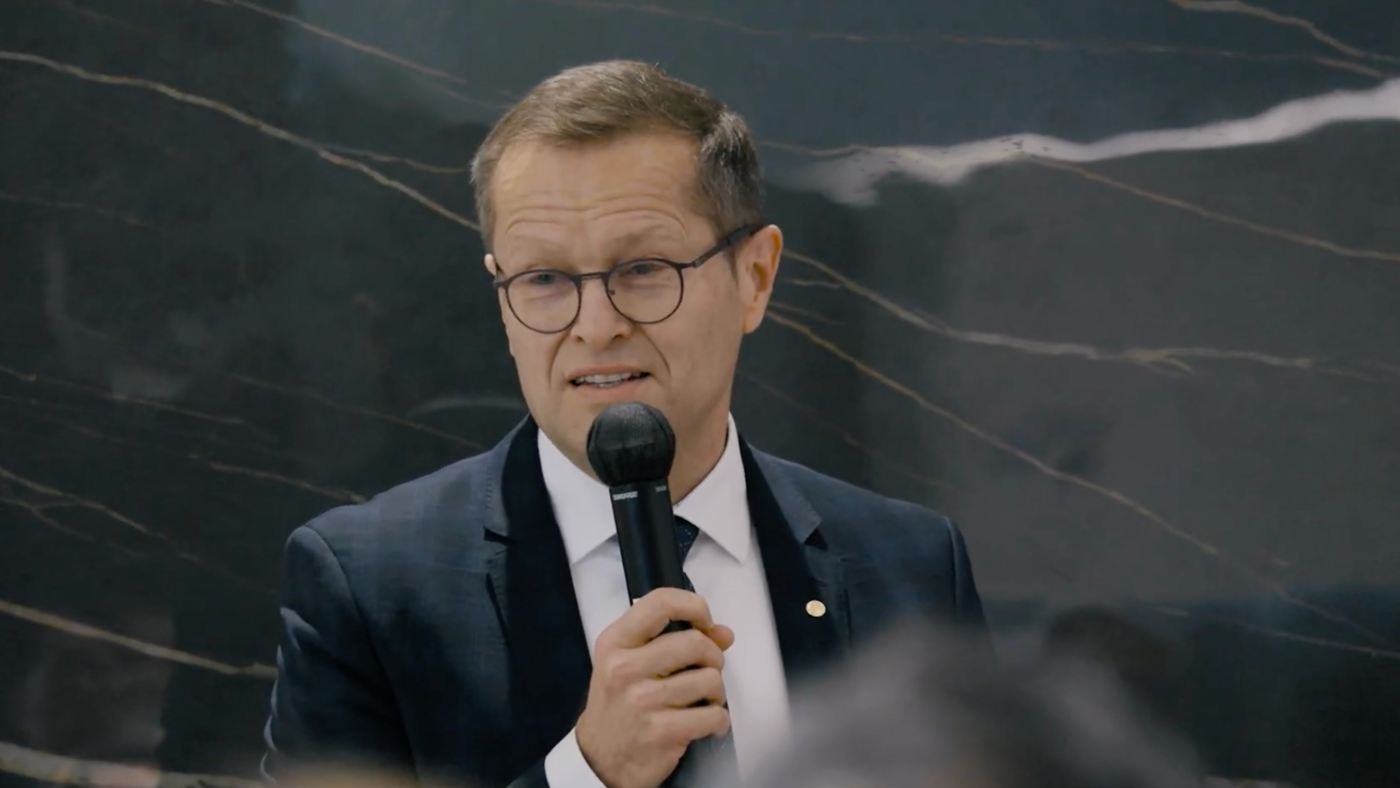
To learn more about the study, watch the official launch video below:
Related Topics
Related News