
媒體中心
港大發表「死之大全 -- 善生、善終、善別」研究結果
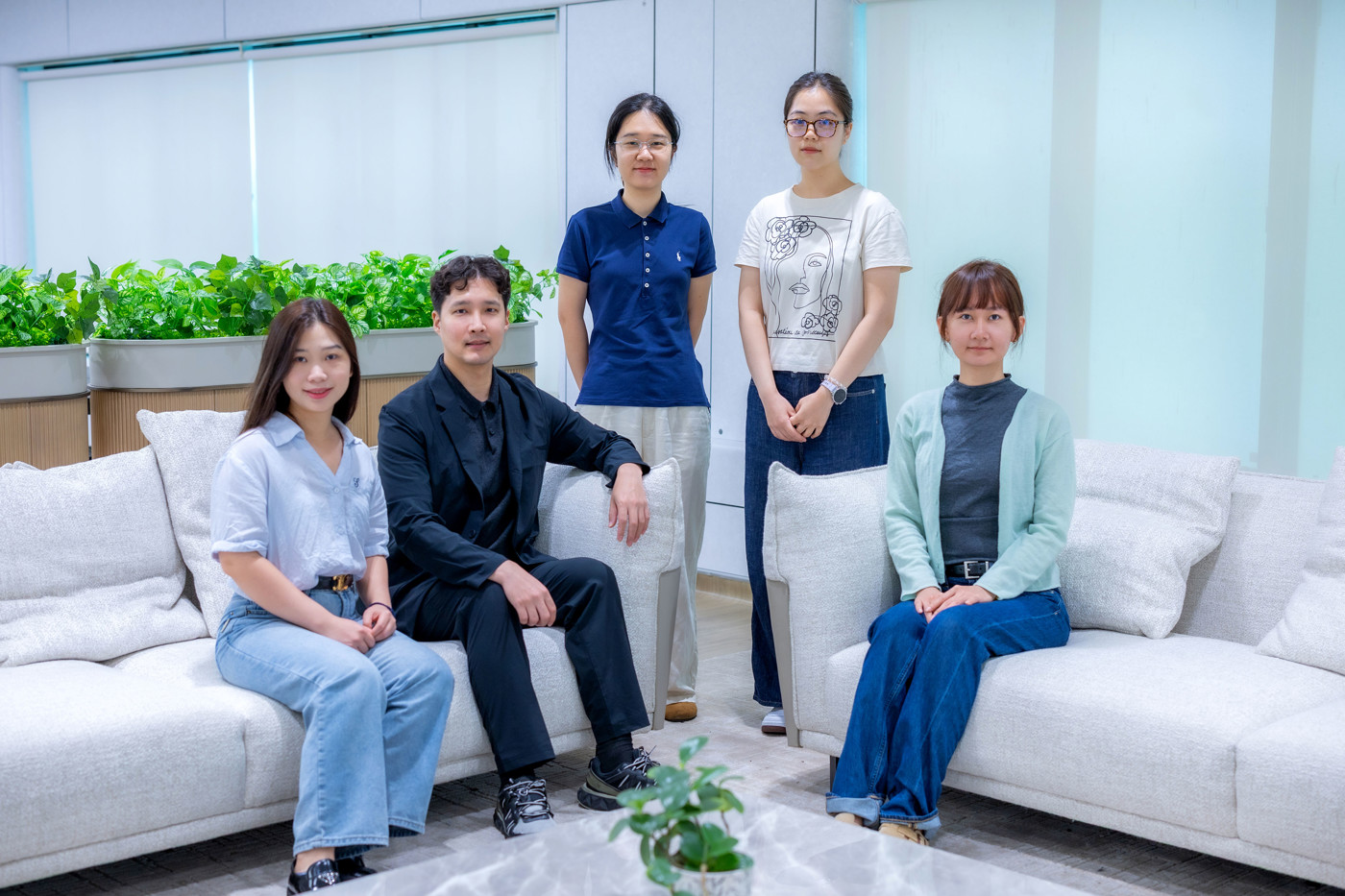
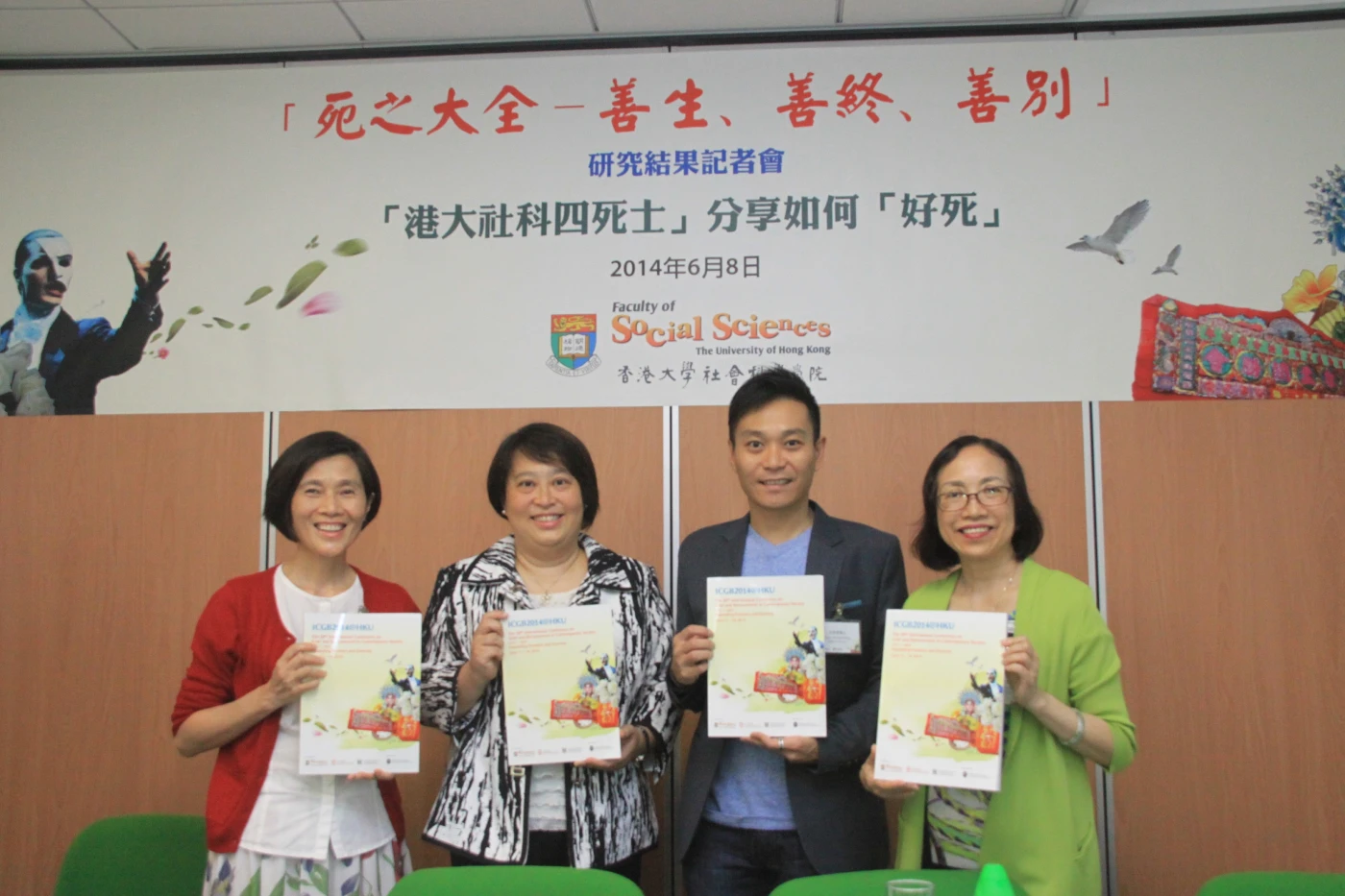
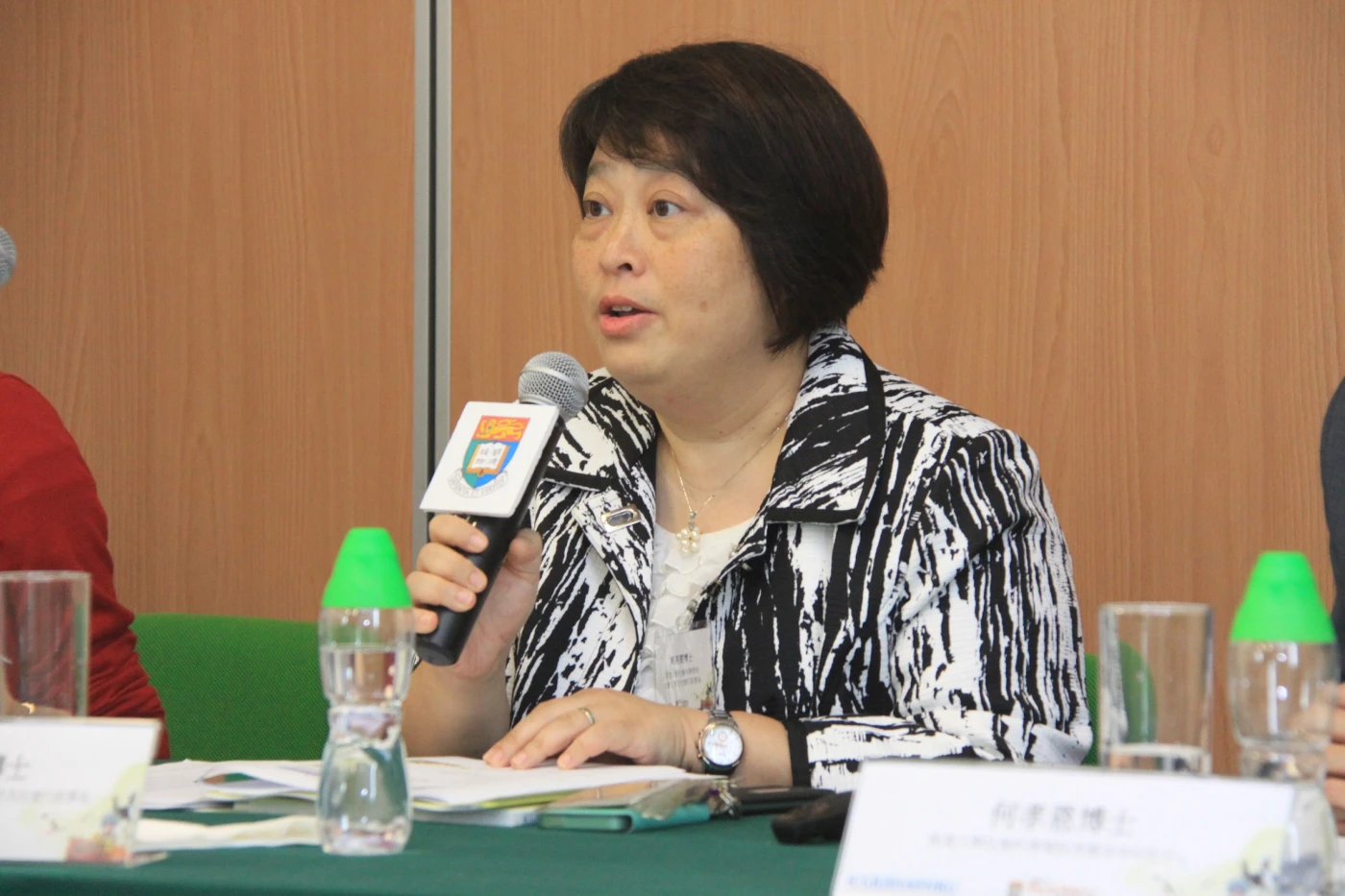
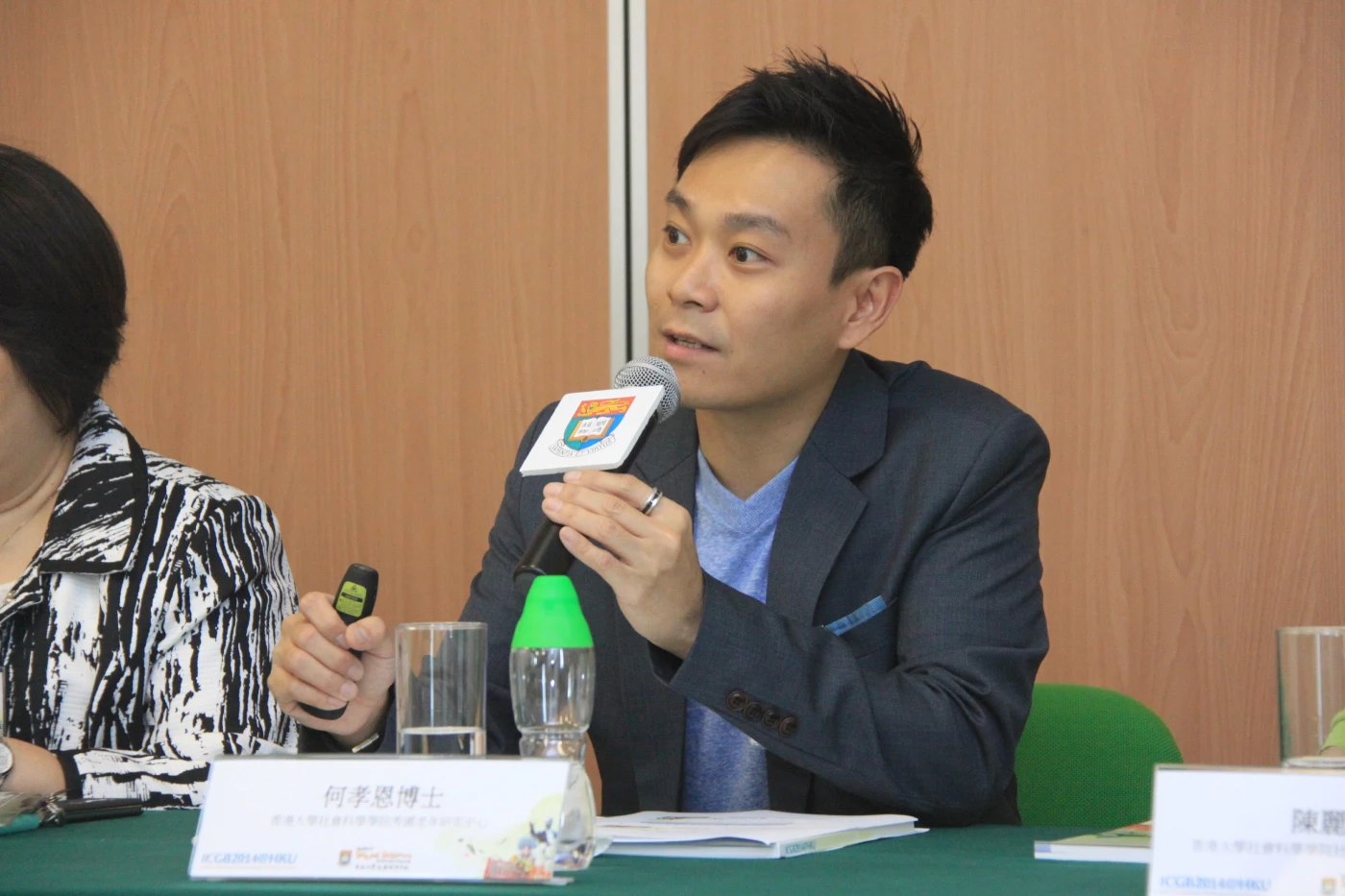
「社科四死士」分享如何「好死」
善生教育
香港大學社會科學學院於2014年為464名香港市民進行了死亡態度調查的研究。與2007年類似的硏究數據相比,59歲以下和60歲或以上的兩個年齡組群人士(成年、老年) 對害怕死亡的態度的比例有顯著的下降,當中以59歲以下的成年人結果更為明顯。 比較2007年與 2014年,成年人在逃避死亡的態度 (1至7分,愈高代表愈害怕)由4.23下降至2.2分,而老年人亦由3.1分下降至1.71分。主動為自己死亡作預備的人數百分比有顯著提升。比較2007年與 2014年,購買了人壽保險的參加者比率亦已增加了兩倍,而選擇器官捐贈的人數比率亦大幅增加了四倍,由11.2%增加至43%。這結果反映大眾能正面地為死亡作預備。
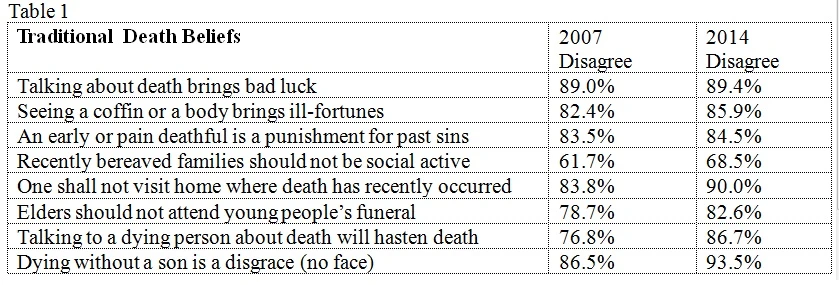
本研究更發現 (表一),現今社會在處理和談論死亡忌諱上較七年前抱持更開放的態度。相信「唔應該探訪剛去世的人的家人」、「係重病既人面前講死會令佢死快啲」和「冇仔送終係一件好冇面既事」的傳統信念比例已大大減少。
如此同時,仍有三成受訪者認為喪親家庭不應參與於任何社交場合以免別人帶來惡運;一成四受訪者相信係重病既人面前講死會令佢死快啲及一成七的人相信白頭人唔應該送黑頭人。這些傳統對死亡的信念和忌諱會對香港善生、善終、善別的教育發展帶來窒礙。因此,採取公共衛生措施以推動本港持續性的生死教育乃當務之急。
善別照顧
在這科技發達的世代,人與人雖分隔兩地,仍能通過手機或電腦連繫著。這令死別更難接受,慣性的連繫讓喪親者更難適應與摯愛連繫不上,因此「唔捨得」、「掛住佢」亦是喪親者的口頭禪。
根㯫 2012年為106名紓緩治療家屬的問卷調查,在複雜哀悼反應量表中,發現在病者去世後一個月「我很掛念他」為最高分反應;而在七個月後,「我很掛念他」仍為最高分反應(平均分為2.54/4) 。在紓緩治療家屬的問卷調查亦發現,經常及無時無刻地很掛念死者的,無論是在病者去世後一個月及七個月,也超過5成。
「相連感」是指喪親者與死者保持的一種關係,它可能是透過聽到、見到、感覺到、聞到死者的存在或可能在夢中相見。根據同一紓緩治療家屬的問卷調查,發現在病者去世後一個月及七個月,亦分別有約25%及17%有「我聽到他對我說話」的經驗,另外亦分別有約20%及9%有「我見到他站在我面前」的經驗。
但這哀傷幻覺或「相連感」不是華人獨有的,其他國家在此方面的研究亦顯示他們有雷同經驗。根據 Rees (1971)在英國近300名受訪者當中,發現有多於一半受訪者有回魂經驗;Olson et al. (1985) 在美國的52名受訪者當中,發現有28名 (61%) 感到死者的存在,而當中24名覺得這經驗為有助適應喪親哀; Haraldsson (1988) 在冰島亦發現在100名受訪者中有84名有回魂經驗。當中59名見到死者、 24 名聽到死者的聲音、 7名觸摸到死者、 5名見聞到死者的氣味及16名感到死者的存在;而Grimby (1993) 在瑞典 50名受訪者當中,也發現有多於約三份一受訪者見到死者或聽到他的聲音。
這些感覺跟華人傳統的 「回魂經驗」不謀而合,但香港需要更多數據去了解「回魂經驗」對喪親者的影響。
善終政策
何為「好死」?根據2004年善寧會調查公眾對「好死」定義的看法,以下為「好死」最高分的元素:
要達至「好死」,「身、心、社、靈」的死前準備是不可或缺,建議全面推廣以下三大範疇
1) 善生教育:由學校、 社區教育和大眾文化談死做起,以減輕社會大眾對死亡的恐懼、焦慮及忌諱;增加社會大眾對死亡的認識,和讓他們更接受死亡及為死亡作準備。
2) 寧養照顧、選擇和預設醫療和照顧計劃:公共醫療和社區照顧服務系統的挑戰與創新。
3) 生命回顧、致親惜別、後事安排:善終社會合作。
以上的建議需要跨專業服務的支援以整全和協調各公共服務部門的善終政策。
第十屆當代社會喪親與哀傷國際會議 (2014年6月11至14日)
第十屆當代社會喪親與哀傷國際會議是三年一度的國際會議。承蒙香港賽馬會慈善信託基金贊助,香港大學社會科學學院聯同香港特別行政區社會福利署及當代社會喪親與哀傷國際協會首次把這個大型的國際會議帶入亞洲及香港,讓千多名來自世界各地與生死教育研究的著名學者、專家及醫護人員聚首一堂,與參加者分享最新的專業知識、實務技巧,推動及開拓跨地域、跨文化和跨學科的東西交流契機。
這次的國際會議吸引了不同的學者、科研人員、醫護人員及學生遞交超過250個學術公開研討報告、包括口頭學術發表、海報報告、專題座談及不同類型的工作坊等,為從事及推動生死教育的各界人士及醫護人員提供一個分享經驗與討論的交流平台。請參閱附上有關專家之講座詳情或 瀏覽www.socsc.hku.hk/icgb2014 ,以了解更多本國際會議的詳情。
思別雅座
在思別雅座,大家雖是陌路人,但一起享受茶點,討論生死。我們的宗旨在「提高大眾對離別的意識,鼓勵大家珍惜在世時間」。思別雅座是一個討論生死的地方,無特定主題或預設安排。這是一個供大家談論的談論的環境,並非善別輔導小組。 香港首個思別雅座將於六月十四日動,歡迎參加,詳情如下 :
時間:下午三時至五時
地點:香港大學百周年校園逸夫教學樓地下一念素食
有關簡報資料,請瀏覽 :https://www.socsc.hku.hk/icgb2014/press/chi
如欲參與講座或與專家作個人訪談,請聯絡
香港大學社會科學學院 薛曉霞小姐 (電話:3917 1203 / 9267 8877 電郵: vansit@hku.hk)
香港大學傳訊及公共事務處 梁菁栘小姐(電話:2857 8555 / 9022 7446 電郵: rhea.leung@hku.hk)
Four HKU death angels report on “encyclopedia of death: death preparation, bereavement support and good death”
Bereavement Support
Bereavement is considered as the most painful life experience. Getting used to the increased connections with one another through advanced technologies, individual finds it difficult to tolerate the loss of contact. Missing someone is devastating, in particular of not knowing where they are after the death.
According to a survey carried out in 2012 with 106 bereaved family members of a palliative care unit in Hong Kong, among the 19 items of complicated grief, “I feel myself longing for the person who died” scored the highest in the first month after death. After 7 months, “I feel myself longing for the person who died” still scored the highest (Mean = 2.54/4). With regards to the greatest pain and separation distress, those who choose often and always to the item of “I feel myself longing for the person who died” contributed more than 50%, in the first and the seventh month.
Continuing bond
“Continuing bond” is the relationship between the bereaved and deceased. It can be manifested as hearing the voices, seeing the deceased, feeling the touch from the deceased, or smell the deceased as well as the sense of presence. It can also be appeared in the dreams, or carrying the mission and virtues of the deceased. The seeing, hearing, smelling and sensing the deceased can be considered as “Grief Hallucinations”, which are not uncommon.
In the survey carried out in 2012 in Hong Kong, there were about 25% and 17% of bereaved family members reported to have hearing the deceased in the first month and seventh month respectively. In the same study, there were 20% and 9% reported to have seeing the deceased in the first month and the seventh month after death respectively. Researches from the United Kingdom [Rees (1971)], the United States [Olson et al. (1985)], Iceland [Haraldsson (1988)], Sweden [Grimby (1993)] also showed that it is not an uncommon experience. These appear to be similar to the traditional Chinese belief of “the return of the spirits”.
Good Death
What is “good death”? According to a survey in 2004, the following scored the highest:
In order to prepare for good death, the Faculty of Social Sciences suggests the government and the community to fully implement the following:
- life and death education -- learning curriculum in formal and informal education, mass media and public education to reduce general public’s fear of death, death avoidance, death taboo and negative perceptions on morality; and to increase general public’s death knowledge and awareness as well as to enhance general public’s engagements in death preparation;
- end of life medical and nursing care -- adequate, appropriate and quality care; choices and decisions of advanced planning and directives in care and treatment in hospitals and in the community;
- personal and significant others preparation -- life reflection, settling relationships, last wishes, after death financial and funeral arrangements
To achieve the mentioned-above aspects, coordinated support across service disciplines and systems and integrated and aligned public service policies are required. This leads to a whole-system approached end of life care strategy.
The 10th International Conference on Grief and Bereavement in Contemporary Society
(June 11 to 14, 2014)
The 10th ICGB is a renowned tri-annual international event that brings together over 1000 local and overseas scholars, leading healthcare professionals and experts in Thanatology to provide a platform for knowledge exchange, skill sharing and multidisciplinary collaborations across cultural and geographical boundaries.
With funding support from the Hong Kong Jockey Club Charities Trust, the Faculty of Social Sciences of The University of Hong Kong, in collaboration with the Social Welfare Department and the International Conference on Grief and Bereavement in Contemporary Society, has the honour to bring this prestigious Conference to Asia and indeed, to the University, for the first time. Over 250 presentations will be held during the Conference for academic exchange and 20 professional training workshops will be organised to enhance the skills of healthcare professional and practitioners. Please refer to the attached leaflet for the highlights of the expert talks or visit www.hku.hk/socsc/icgb2014 for details.
Death Café Hong Kong
Death concerns every one of us, and many of us want to talk about it but never had the opportunity to. Recognition the importance of dialogue and discussion for attaining greater insights and understanding towards life and morality, the Faculty of Social Science of the University of Hong Kong is supporting the launch of the first-ever Death Café in Hong Kong (https://www.facebook.com/deathcafehongkong). At a Death Cafe people, often strangers, gather to eat cake, drink tea and discuss death. The objective is 'to increase awareness of death with a view to helping people make the most of their finite lives'. Please feel free to join us with the details as below:
Date: June 14, 2014
Time: 3:00pm to 5:00pm
Venue: BIJAS Vegetarian Restaurant (G/F Run Run Shaw Tower, Centennial Campus, HKU)
For the powerpoint presentation, please click : http://www.socsc.hku.hk/icgb2014/press/eng
Media enquiry:
Miss Rhea Leung, Manager, Communication and Public Affairs Office (Tel:2857 8555 / 9022 7446 email rhea.leung@hku.hk)
Miss Vanessa Sit, Assistant Registrar, Faculty of Social Sciences (Tel: 3917 1203 / 92678877 email: vansit@hku.hk)
相關主題
相關文章