
Research & Discovery
HKU-Developed Codec Extends DNA Data Storage Lifespan by Centuries
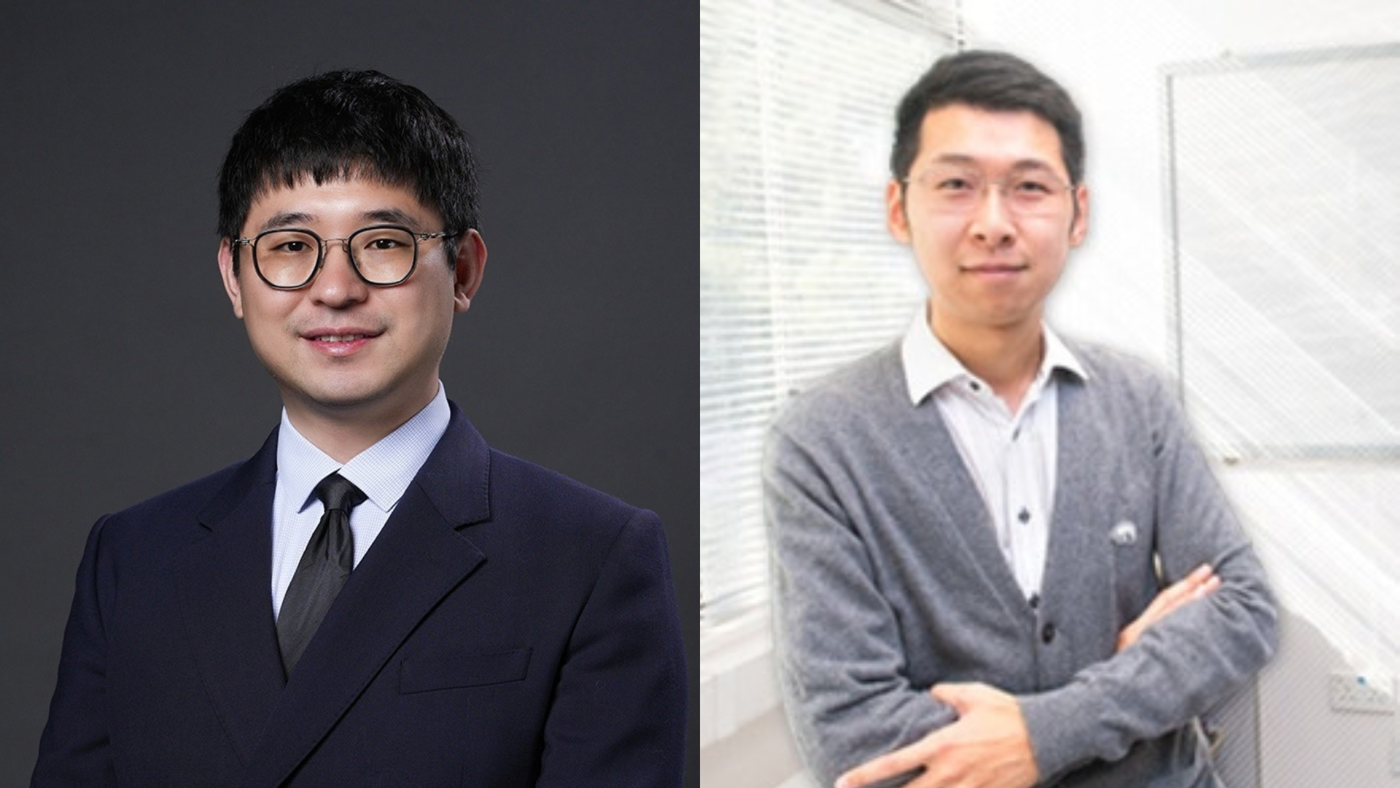
Researchers from the University of Hong Kong (HKU) have unveiled Gungnir, a new error-correction framework that significantly improves the ability to retrieve data from severely damaged DNA sequences.
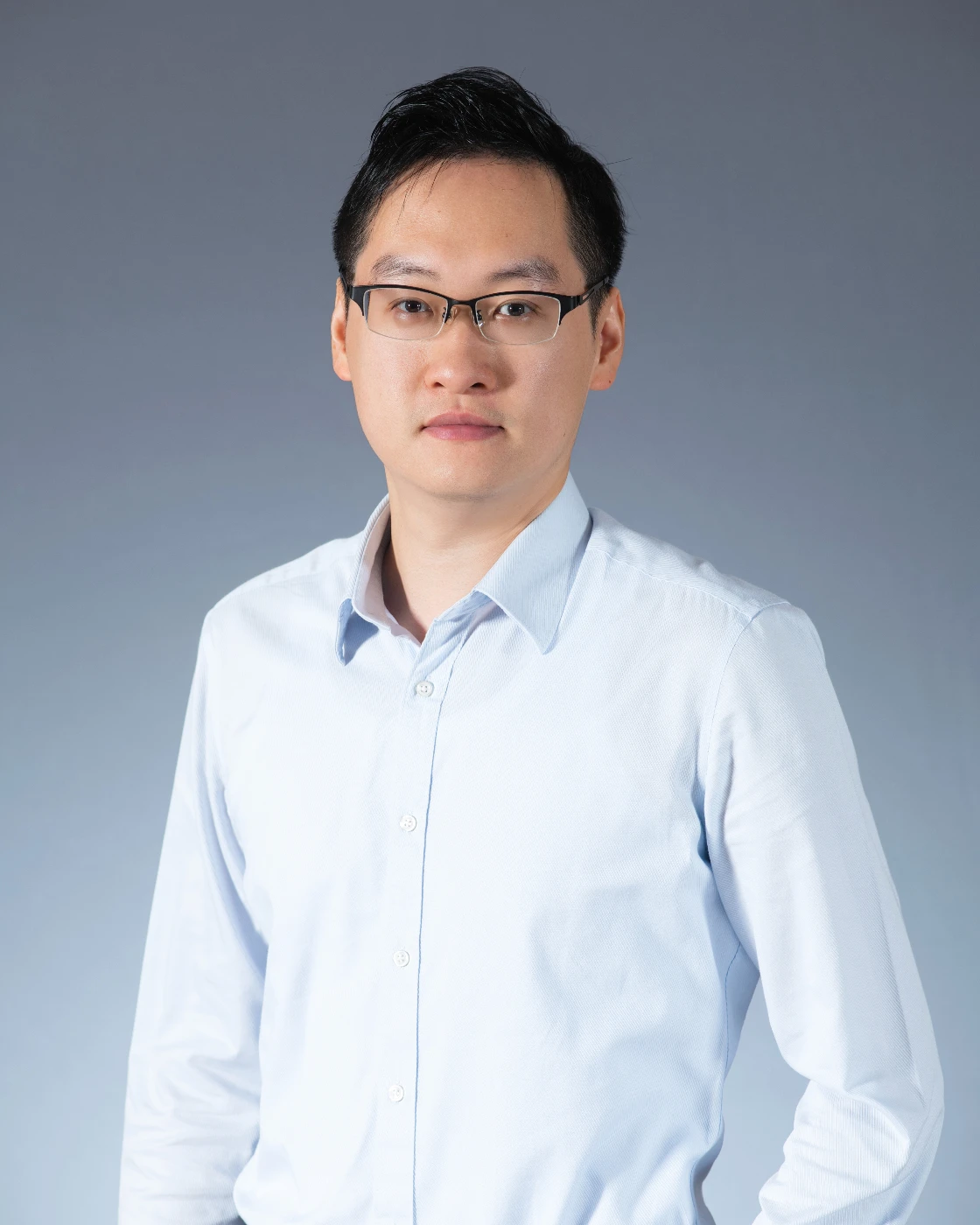
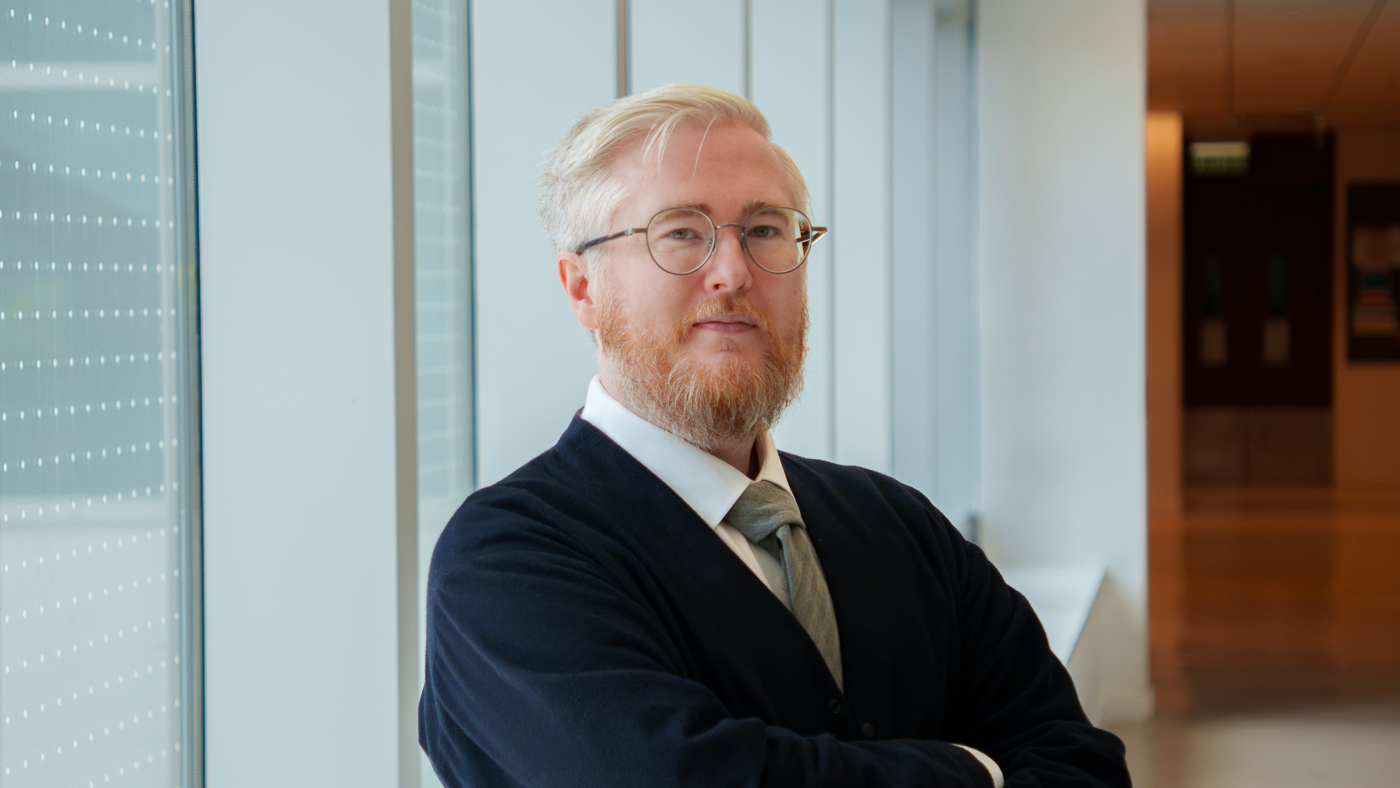
Led by Professor Ruibang Luo of the School of Computing and Data Science and Professor Can Li of the Department of Electrical and Computer Engineering, the research team applied blockchain-based computing techniques to solve a critical bottleneck in long-term biological data storage.
DNA is an ideal medium for archival storage due to its high density. However, DNA molecules degrade over time, accumulating errors that make original files difficult to recover. Existing methods are effective for newly synthesized DNA but struggle with the damage accumulated during long-term storage, limiting practical lifespan to under a decade.
Gungnir addresses this by using computing power to generate possible reconstructions of the original data and verifying them until the correct information is identified. This approach allows the system to tolerate error rates of up to 20%, a fourfold improvement over current methods. In extreme testing, Gungnir achieved lossless recovery from DNA with damage levels expected after approximately 400 years of storage.
The findings, published in Nature Communications, suggest that as computing power grows, the practical lifespan of DNA drives could extend from less than a decade to several centuries, potentially preserving digital information for millennia.
Gungnir is open source and available on GitHub.
Related Topics
Related News