
Research & Discovery
How the Advanced Technologies Institute is Redefining Robotics at Every Level
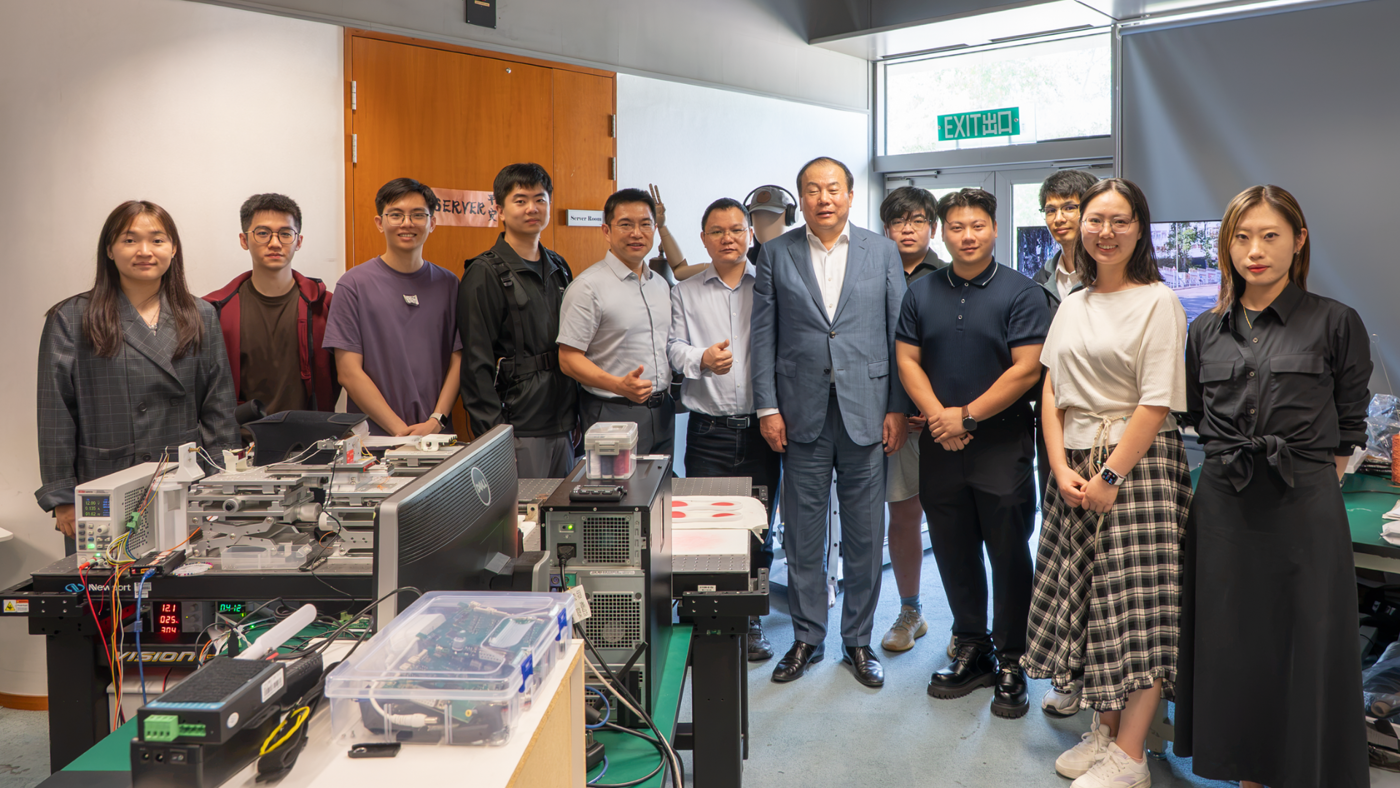
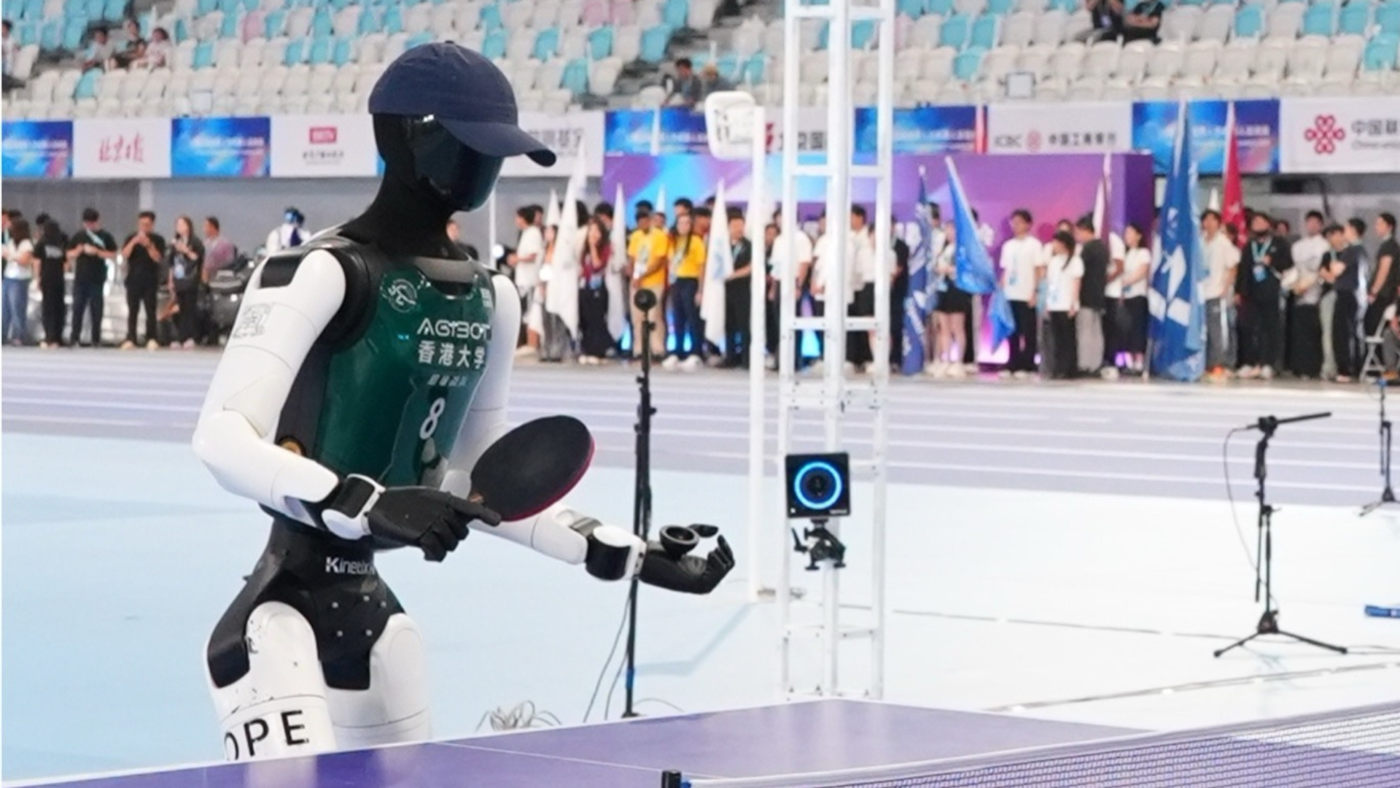
In a laboratory at the University of Hong Kong (HKU), the definition of a robot is being rewritten.
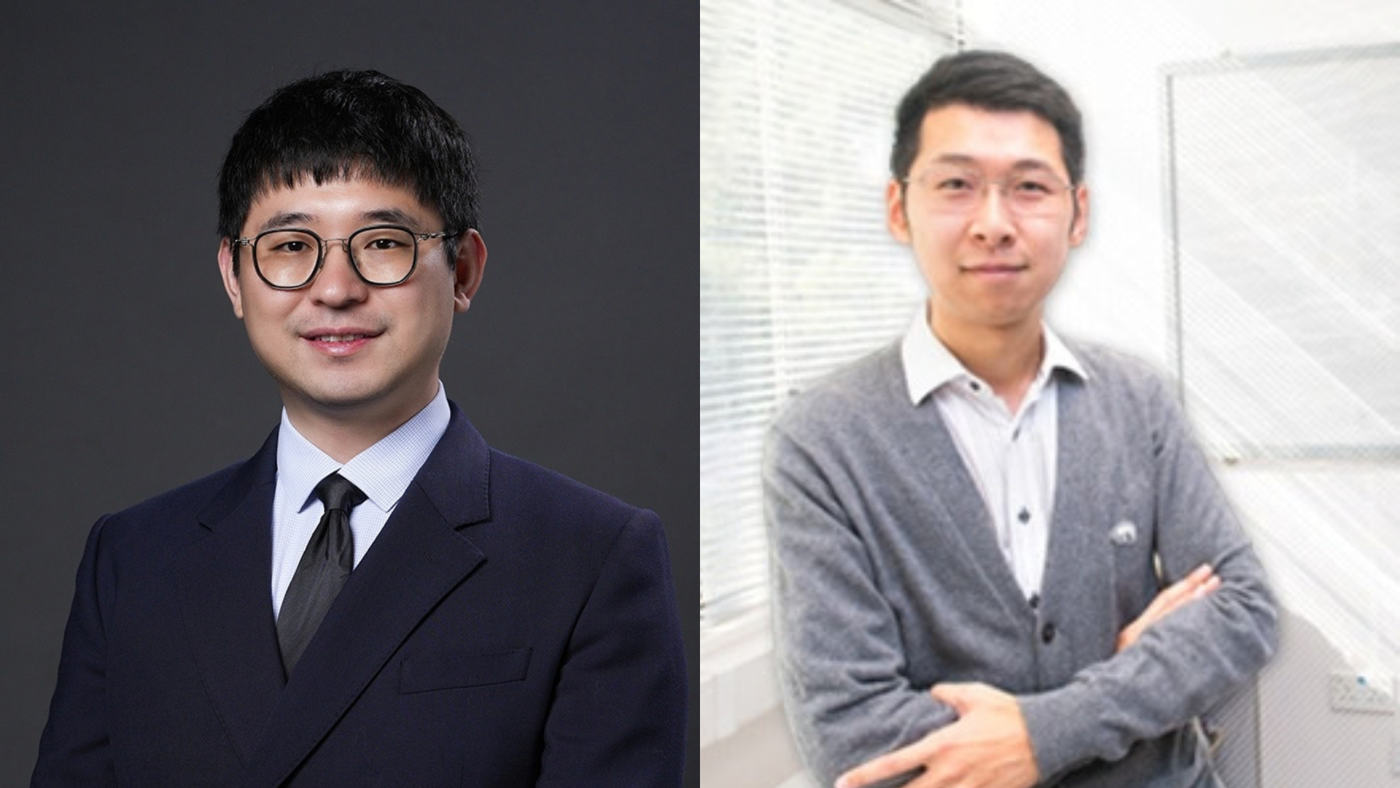
Gone are the days of rigid, factory-bound metal frames. In their place, a team led by Professor Ning Xi of the Advanced Technologies Institute is building a full-scale technical architecture that spans nanoscale manipulation to macroscopic human augmentation.
This “macro-nano dual-core” approach is not just theoretical; it is already delivering tangible solutions for healthcare, advanced manufacturing, and public safety.
Bridging the Macro-nano Divide
Building upon Shear Thickening Gel (STG) artificial muscle technology — previously applied successfully to wearable soft robots for walking assistance — Professor Xi’s team is now extending this breakthrough into smart prosthetics and robotic hands.
By capturing and learning the mechanical characteristics of human limb movements through flexible “muscle fibres”, these “muscle memories” can be seamlessly transferred human skills to robotic hands, enabling individuals with physical impairments to restore hand function with a high degree of natural fluidity.
At the same time, the laboratory has broadened its scope to tackle aging intervention and physical training scenarios. The team has developed a comprehensive assessment platform covering elderly “evaluation, protection, and exercise”, which utilizes a dynamic human balance sensor to capture plantar shear forces and subtle postural sway in real time, providing dynamic stiffness compensation.
In collaboration with the Hong Kong Sports Institute, they also launched the new I-Exercise intelligent physical training robot. Integrating AI models and digital twin technology, this system breaks through the limitations of traditional weight-stack resistance to deliver multi-degree-of-freedom precision resistance control, and is now officially supporting the scientific training of athletes in the Hong Kong, China Olympic delegation.
Nanorobots as “Surgeons”
In semiconductor manufacturing, photomask repair is a critical manufacturing process used to fix pattern defects, opaque or clear spots, and foreign contamination on lithographic photomasks before they are used to print circuits onto wafers.
As process nodes advance to the single-digit nanometer scale, even nano-scale dust, impurities, or defects on a mask can render an entire batch of wafers scrap. While traditional cleaning processes take one to two hours, Professor Xi’s team’s nanorobots can precisely clean defects on photo-mask surfaces through adsorption, pushing, or physical scraping in under 10 minutes, significantly reducing R&D and production costs for photo mask foundries and chip manufacturing.
In the biomedical field, the Institute is collaborating with Queen Mary Hospital and the HKU LKS Faculty of Medicine on assisted reproduction technologies. Early-stage fertilized eggs secrete very minimal marker proteins (typically at the picogram level). The institute's nanorobots elevate protein measurement sensitivity in liquids down to 1-picogram level, enabling doctors to accurately assess embryonic developmental potential and implantation success rates for high-precision healthy embryo selection.
Safety and Accessibility in Hazardous Environments
The institute's research outcomes also benefit high-risk industrial settings. Addressing scenarios such as coal mining and high-altitude heavy lifting in construction, the team has developed an “event-driven" network communication control protocol integrated into dedicated routers.
This system automatically validates network latency’s data loss and abrupt site environment changes, eliminating the risk of operational errors caused by transmission delays and allowing operators in laboratories to safely – and in real time – control heavy machinery thousands of kilometres away. This technology has already established joint laboratories with leading enterprises such as China Coal Technology and Engineering Group (CCTEG) to drive industrial applications.
In addition, UV Disinfection Robots and Restroom Cleaning Robots have been deployed in public spaces such as Tai Wai Nursing Home, Queen Mary Hospital, and the Hong Kong International Airport, providing safer environments for the public.
As Professor Xi points out, robotics is fundamentally an “enabling technology”. By breaking through mechanism bottlenecks at the academic frontier while simultaneously connecting and exchanging with local medical institutions, international deep-tech corporations, and industrial giants, the HKU Advanced Technologies Institute is successfully translating multi-scale, cross-domain scientific research into practice, he says.
Related Topics
Related News