
Leadership
“Do Not Surrender the Quest to Understand”: HKU Brings the AI Talent Debate to Qianhai
When AI can calculate, search and generate at a scale no individual can match, the central question is not what the technology can do. It is what people should refuse to hand over.
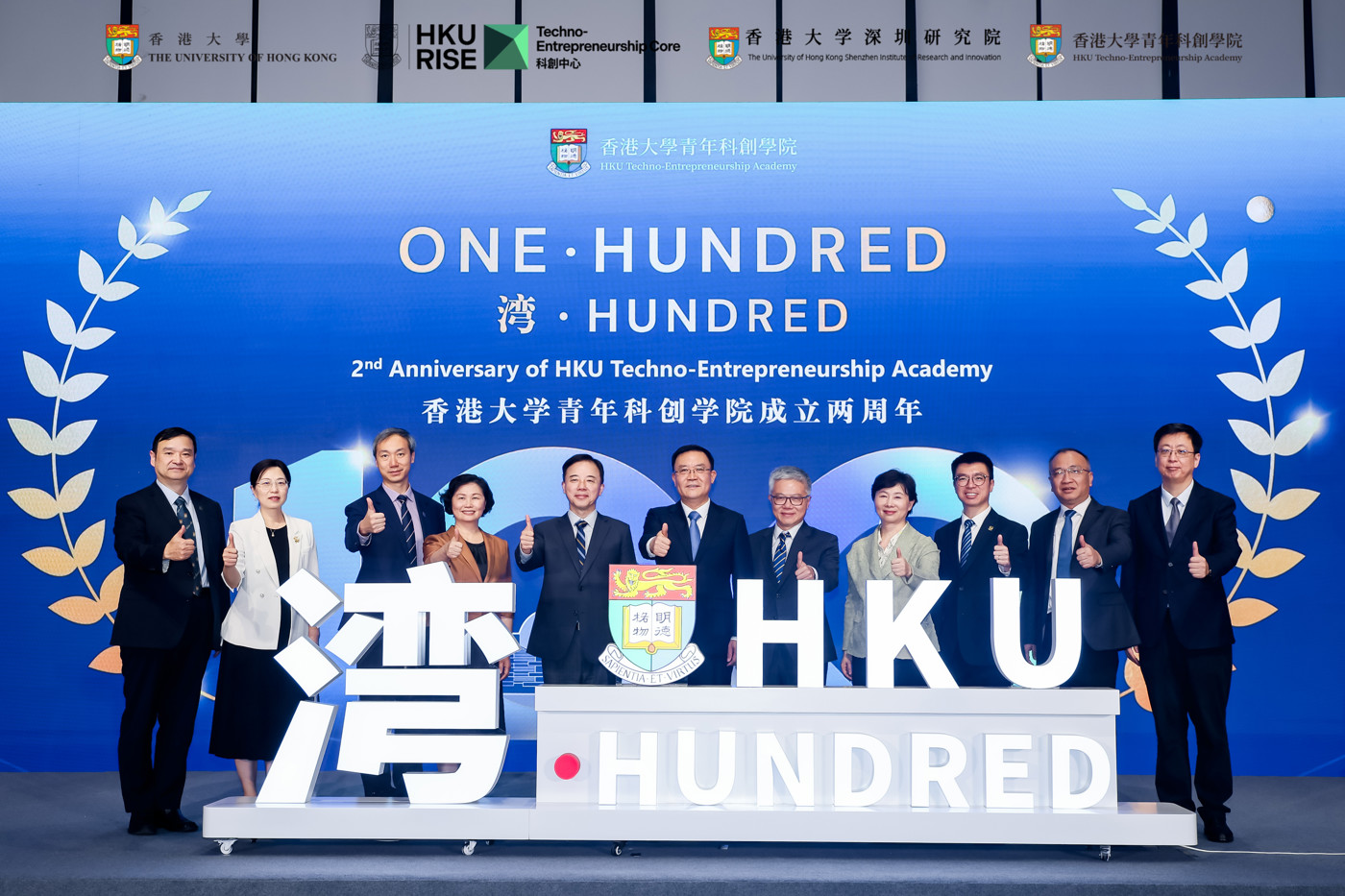
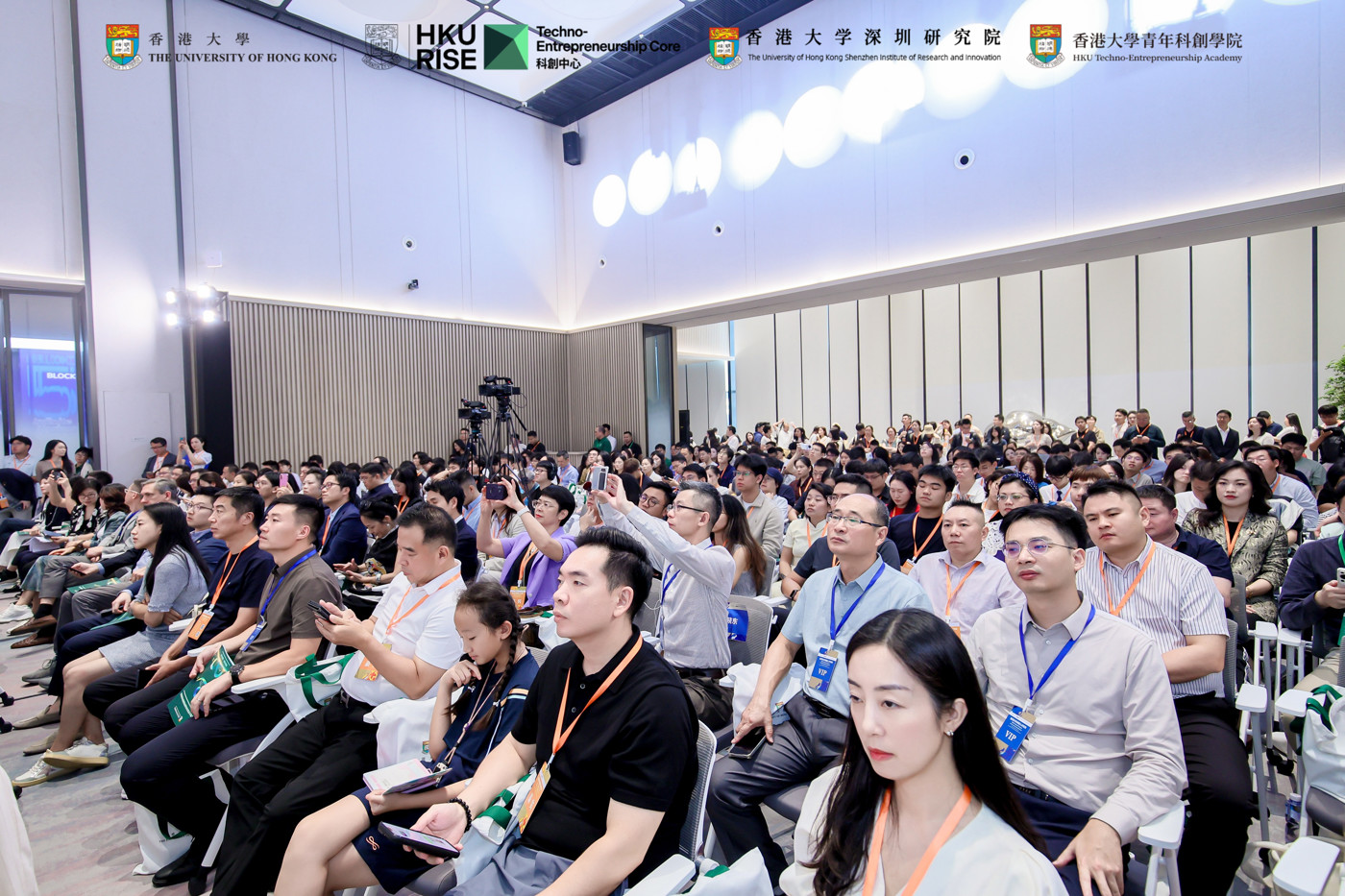
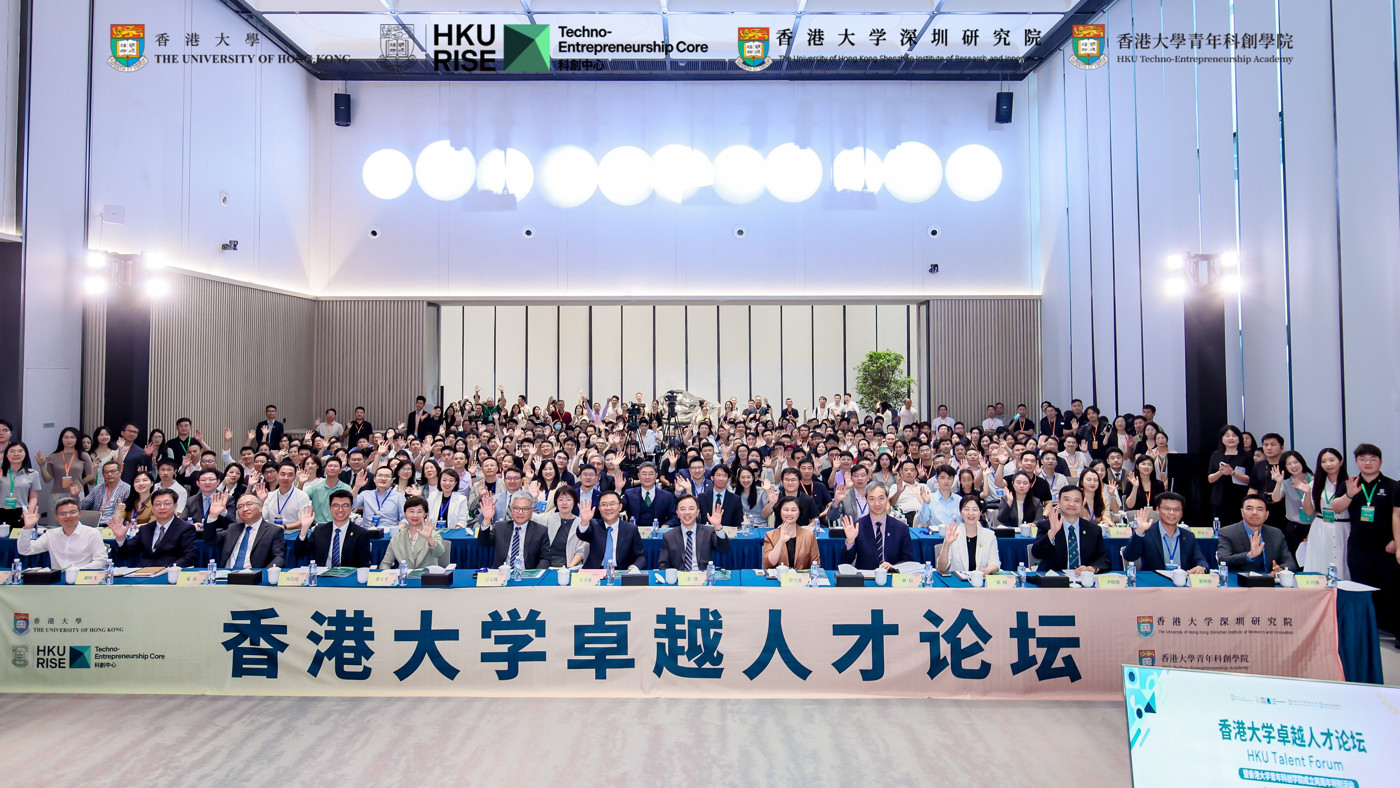
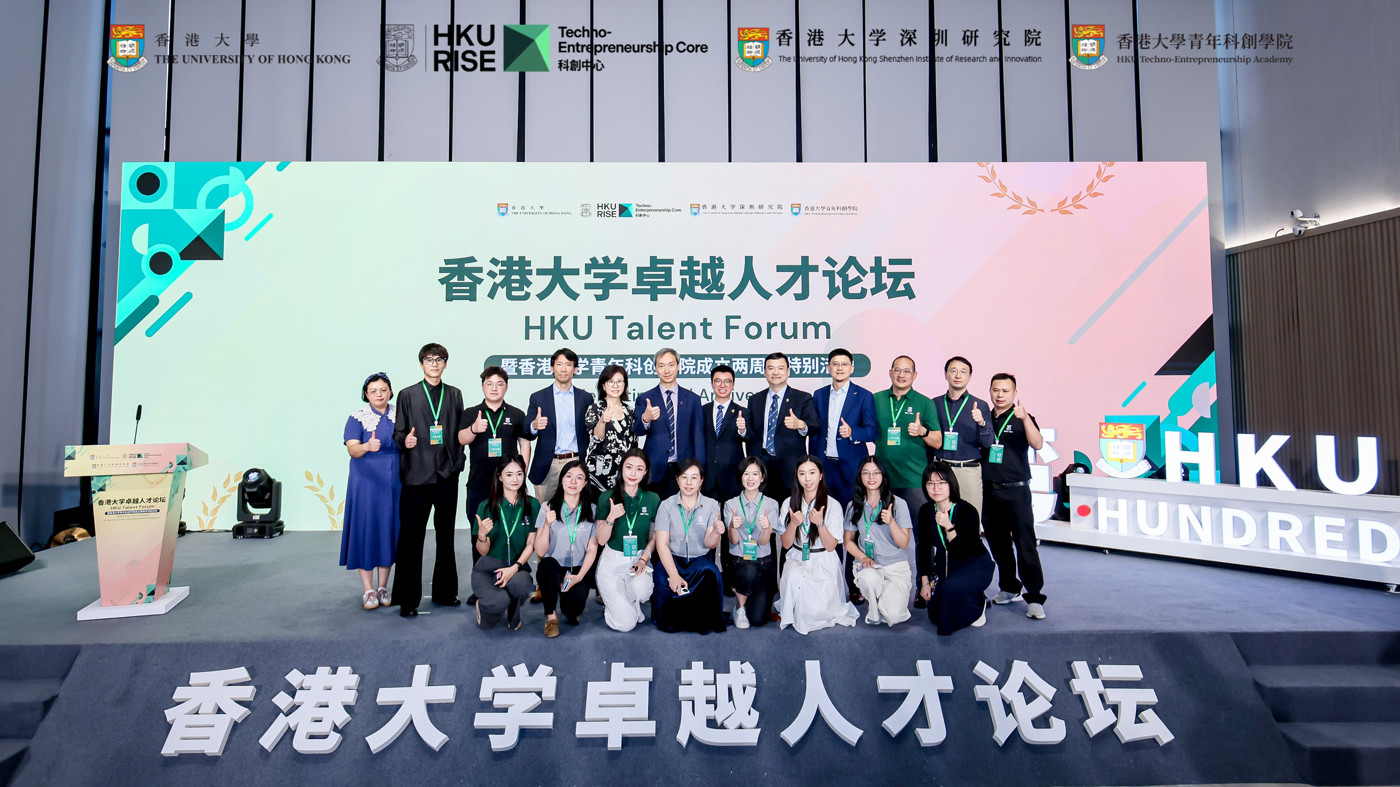
That question shaped the HKU Talent Forum and the second anniversary celebration of the HKU Techno-Entrepreneurship Academy (TEA) in Qianhai, Shenzhen, on 5 September. Government representatives, scholars, employers, investors and entrepreneurs gathered to discuss AI-era talent, research translation and Hong Kong–Shenzhen collaboration. At the heart of the discussion was human agency.
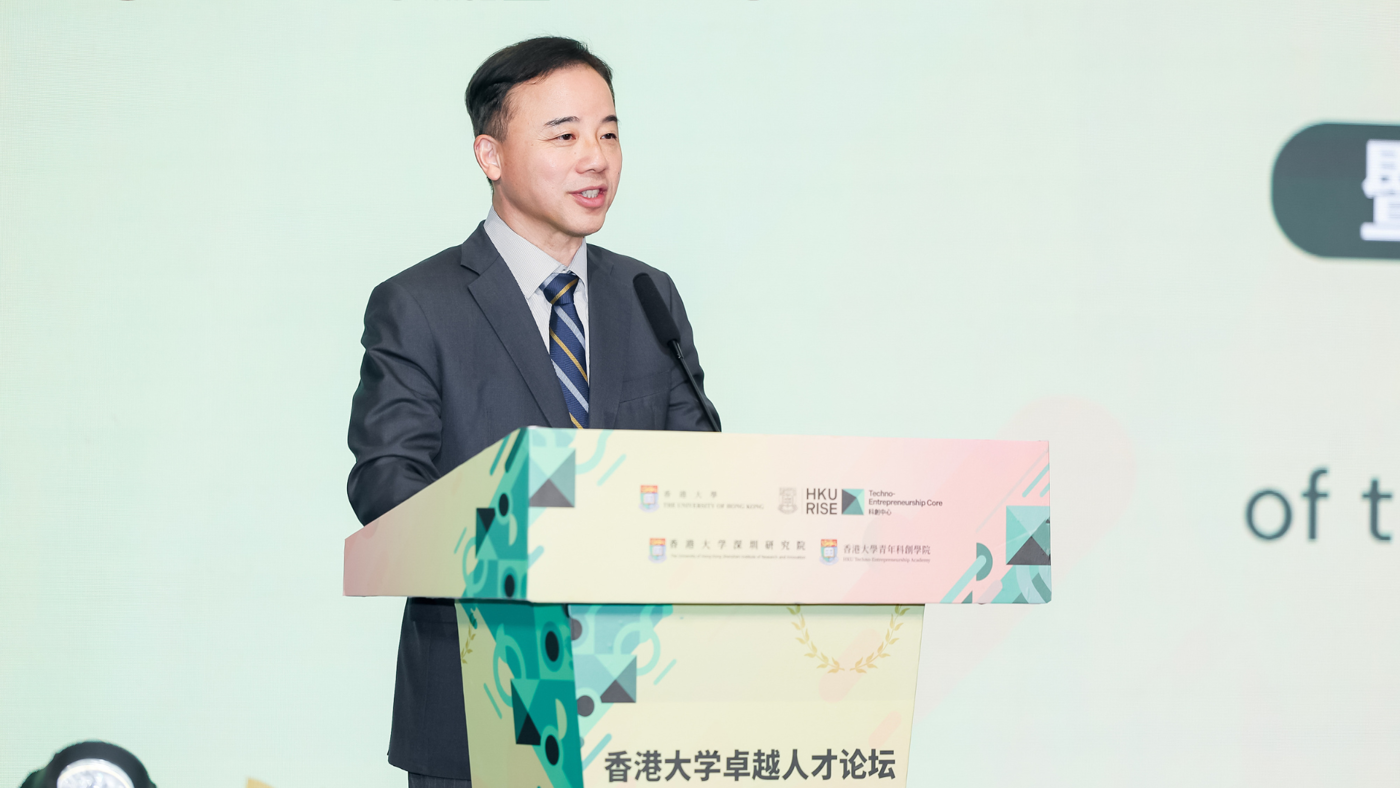
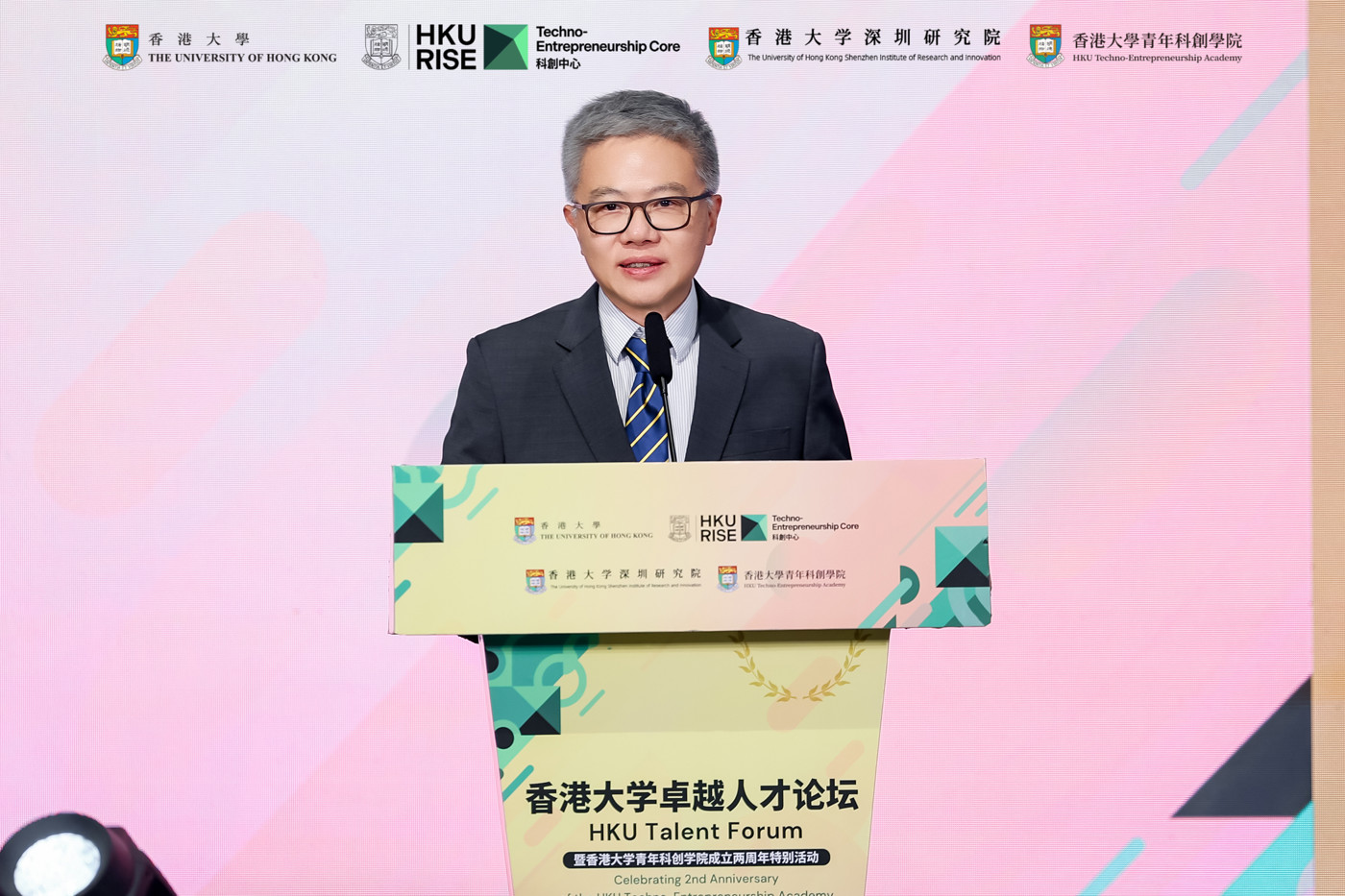
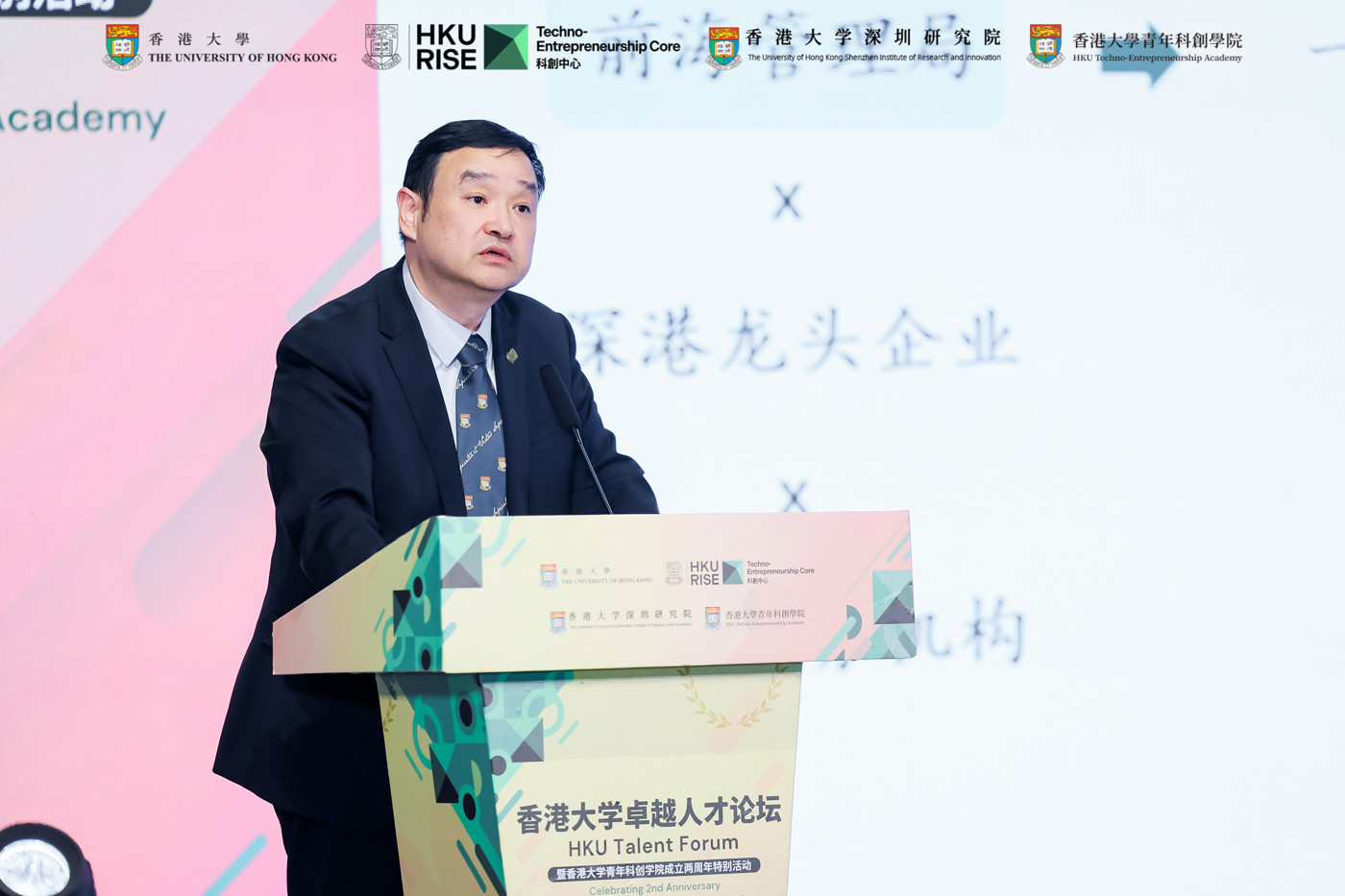
“Future universities should not be merely repositories of knowledge; they must be crucibles for capability-building and character formation,” said Professor Xiang Zhang, President and Vice-Chancellor of HKU. “In an age when AI can provide answers, knowing how to ask the right questions is a higher-order form of wisdom.”
That is a demanding proposition for universities. In his address, Professor Zhang argued that HKU does not seek to produce students who are simply adept at solving set problems. “We are certainly not cultivating examinees who only know how to drill questions,” he said. The University’s commitment to whole-person education means giving students room to manage themselves, debate with others, make choices and learn from the consequences.
The aim is not independence as a slogan. It is preparation for a world in which knowledge is more accessible than ever, but judgement is no less necessary. As Professor Zhang put it, the role of the professor must evolve from “a sage on the stage” to “a guide at the side”: someone who helps students frame more searching questions, test their assumptions and connect learning to responsibility.
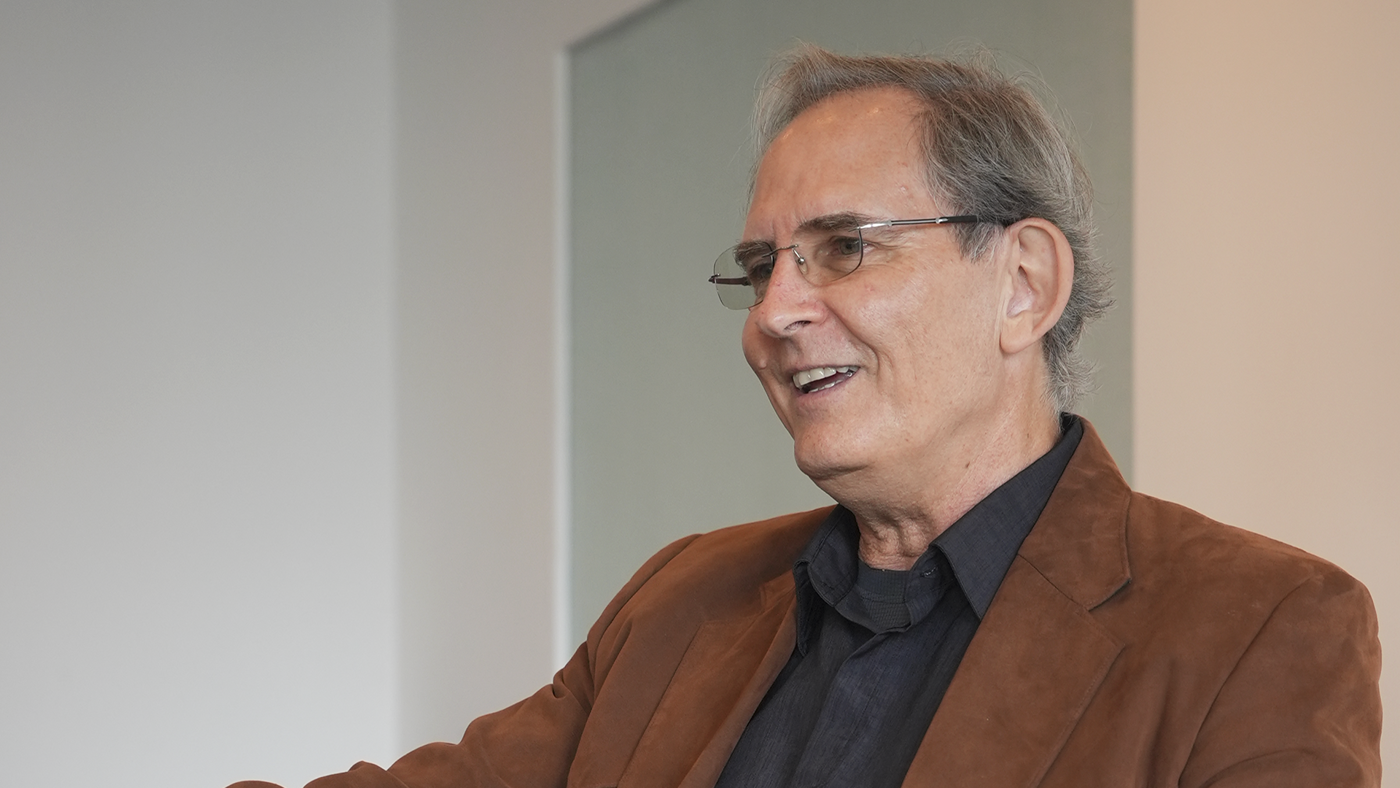
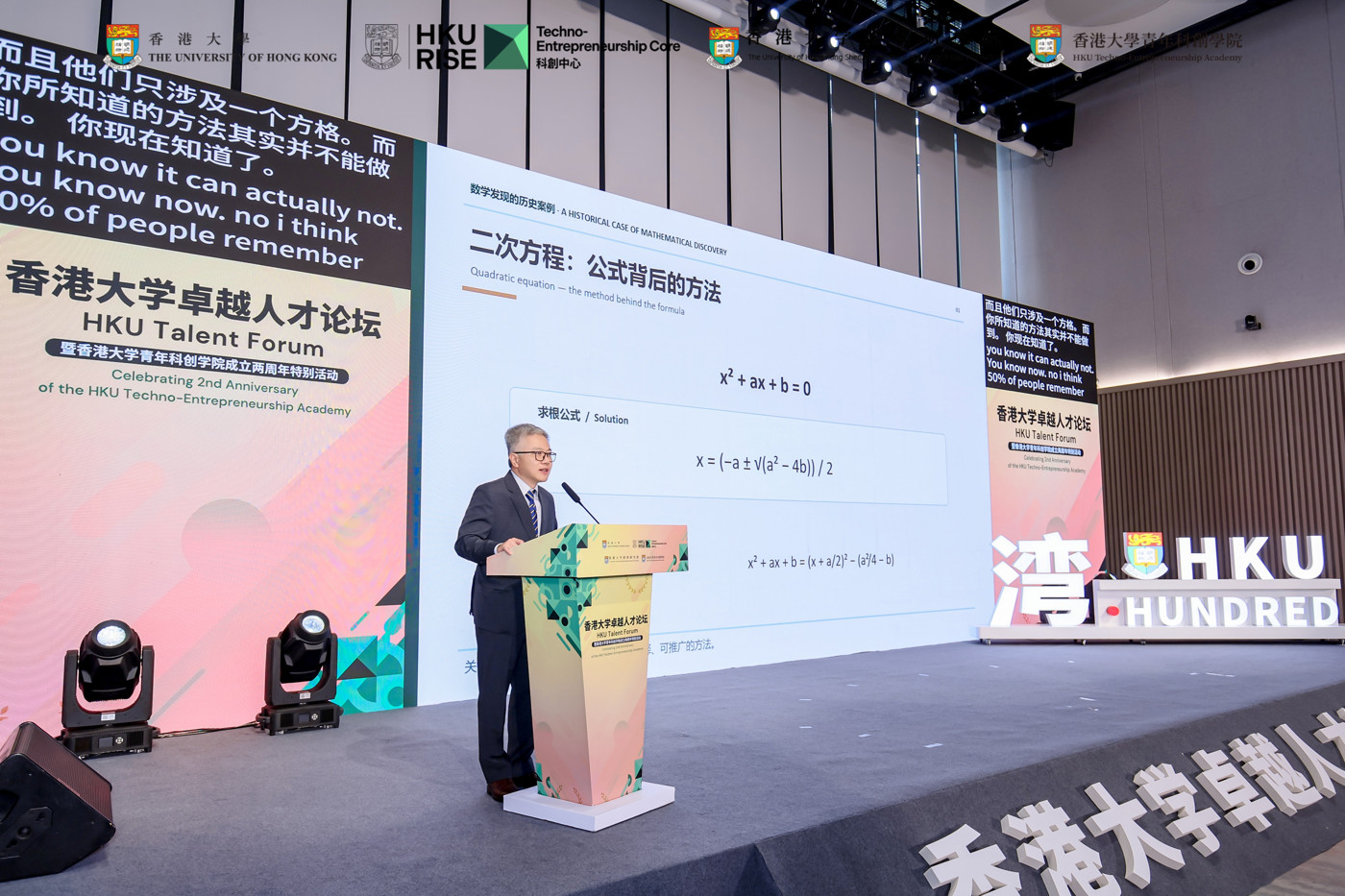
Professor Ngô Bảo Châu, Fields Medallist and Chair Professor of Mathematics, gave that argument its intellectual edge. "Do not surrender the quest to understand," he urged students in his master class, distinguishing between an AI system that supplies a result and a person who remains responsible for the question, its interpretation and its consequences.
“The crucial choice is personal,” Professor Ngô said. “We can surrender our intellect to AI, wait to be fed all responses from AI, or we can ask AI to help us achieve a broader and deeper understanding of the world.” The distinction, he argues, will shape how people educate students, organise work and decide what remains worth doing for themselves.
His mathematical example is telling. An AI may discover a formula through formidable search and calculation. Yet finding a formula is different from explaining why it works or inventing a concept that lets a field see its questions differently. For Professor Ngô, that distinction matters far beyond mathematics. It bears on the education universities offer, the work employers value and the responsibility institutions retain when algorithmic systems enter decisions once made by people.
“A person working with AI may understand a situation better than either one working independently,” he said. “The question is whether the technology enlarges our capacity to make sense of the world, or encourages us to abandon that responsibility.”
He warns against treating AI as an oracle. “An oracle gives an answer and asks nothing of us. A tool extends our reach while leaving us responsible for the question, interpretation and consequence.” The answer is not to stand apart from the technology. “Let AI be our tool, our companion in that endeavour,” said Prof. Ngô . A companion, unlike an oracle, does not absolve anyone of responsibility.
The Forum placed that debate in a city built around cross-border experimentation. Mr Wang Shourui, Member of the Standing Committee of the Shenzhen Municipal Committee and Secretary of the CPC Working Committee of the Qianhai Cooperation Zone, said: “Talent is the bond of Shenzhen–Hong Kong collaboration and the foundation of innovation-led development.”
That proposition now has a practical platform. TEA marked its second anniversary by launching the Bay·HUNDRED initiative. With more than 100 incubated projects in Qianhai, the Academy brings HKU researchers, young entrepreneurs and industry partners into contact with the difficult work of taking ideas from discovery to application.
The achievement is not that 100 is a round number. It is that each project tests whether research, talent and enterprise can move together without losing sight of the questions that make discovery possible. Employers, Professor Zhang said, are not only future destinations for HKU graduates. They should be co-designers of talent development—through internships, joint research, mentoring, entrepreneurship support and a candid view of the capabilities young people need.
The Forum offered no easy formula for an AI-ready university. It offered a standard: use AI as a companion in inquiry, not an excuse to surrender judgement. For students, employers and educators alike, that may be the harder skill to build—and the one that matters most.
Related Topics
Related News