
Newsroom
HKU Vice-President Professor Jay Siegel Calls for Human-Centric AI Economy at the 2026 Inclusion Conference on the Bund in Shanghai
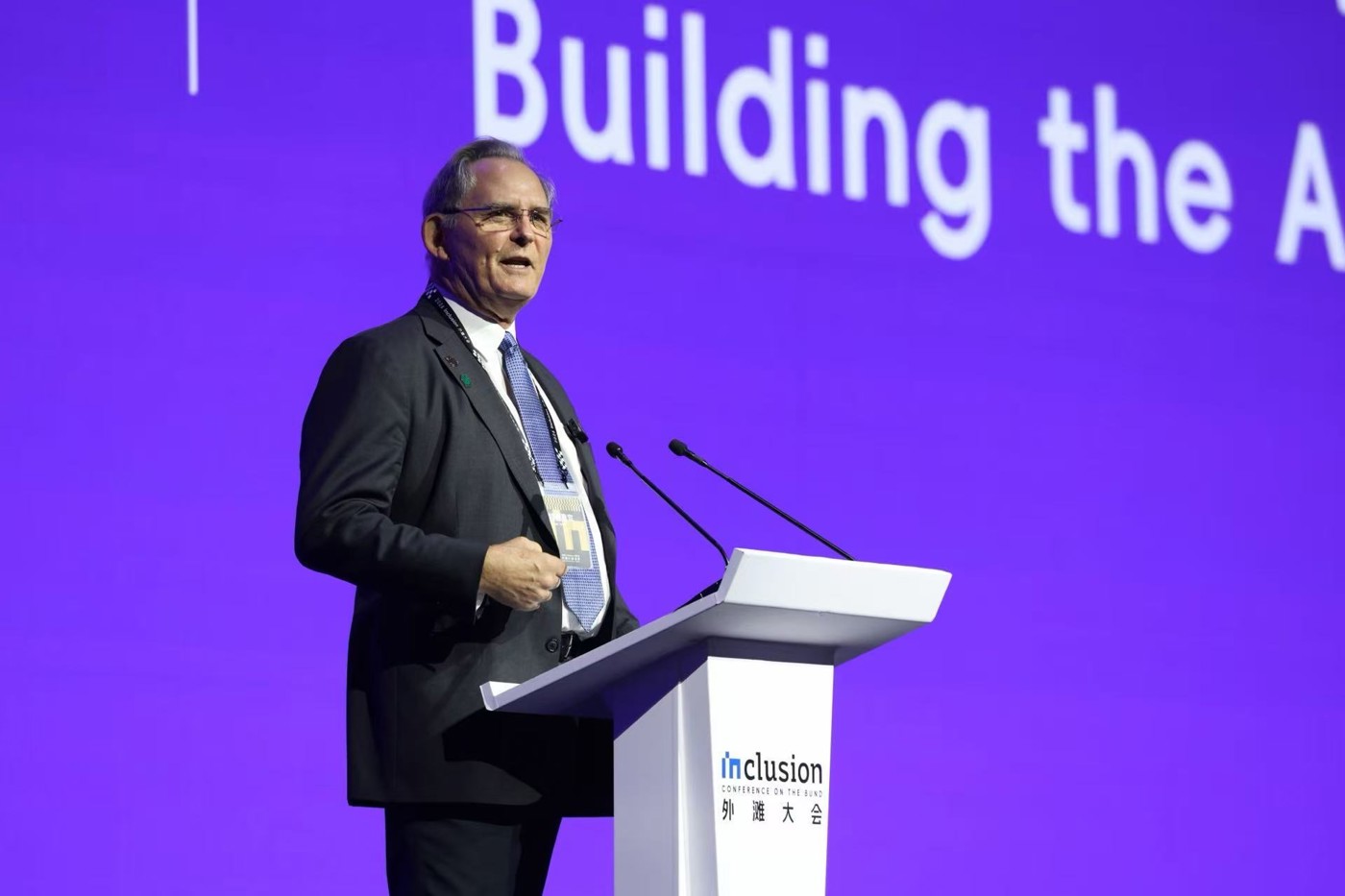
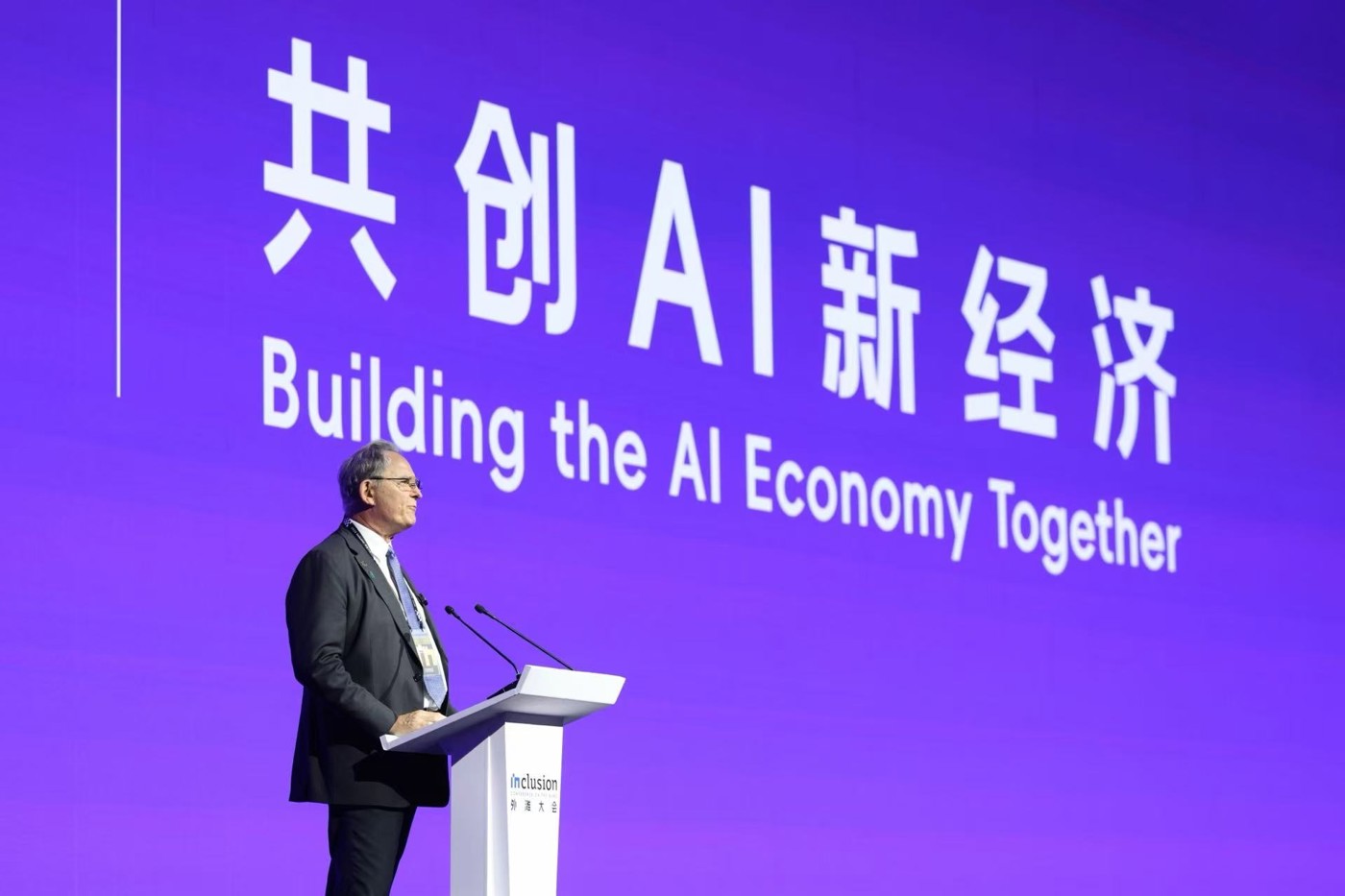
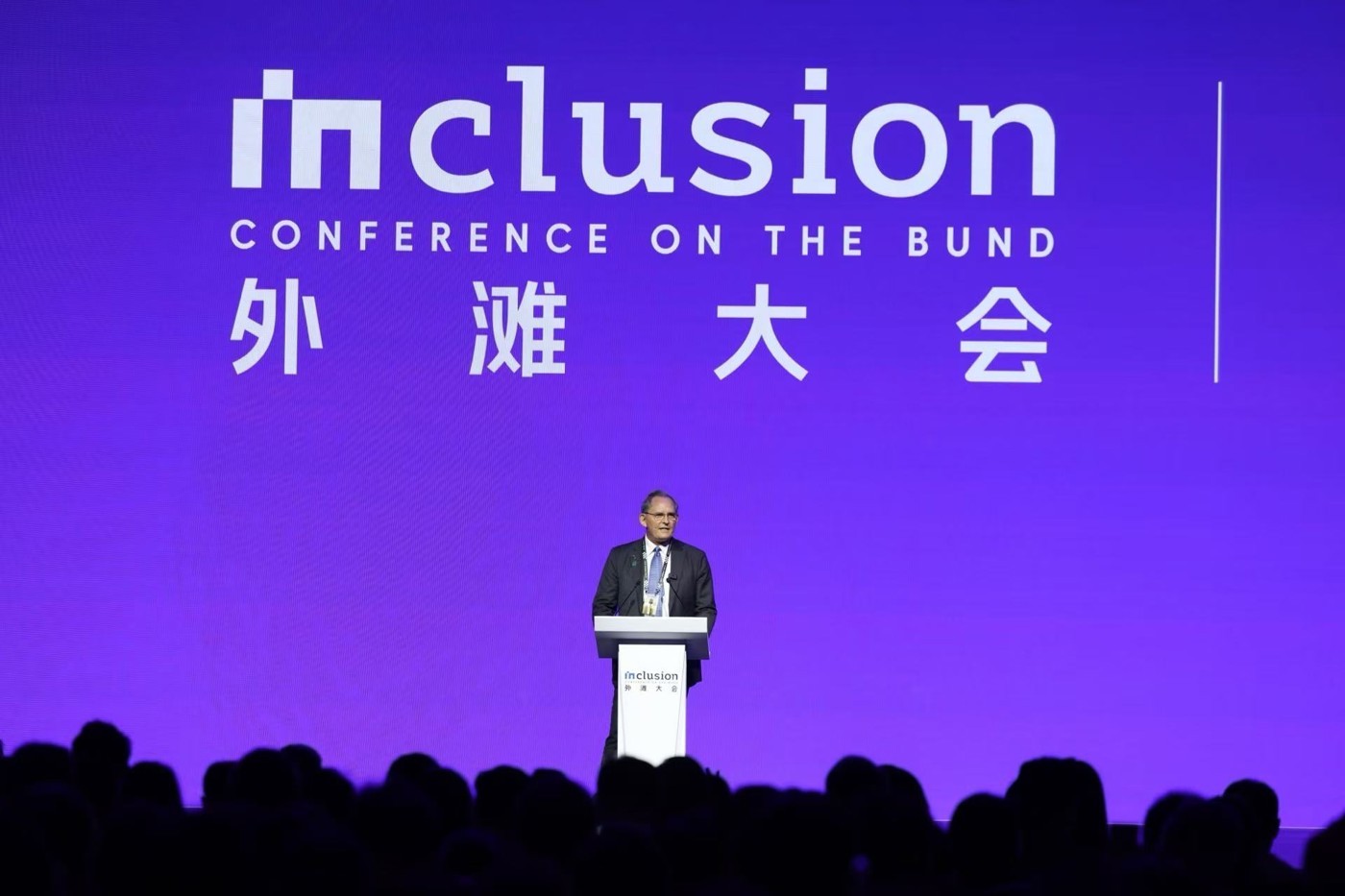
Professor Jay Siegel, Vice-President and Pro-Vice-Chancellor (Teaching and Learning) of the University of Hong Kong (HKU), delivered a visionary address at the 2026 Inclusion Conference on the Bund in Shanghai on 10 September. In his speech, Professor Siegel emphasised the necessity of a human-centric AI economy and the critical importance of anticipating the long-term societal impacts of rapid technological advancement.
This year’s conference, themed "Building the AI Economy Together", gathered technology companies, industry leaders and start-ups from around the world to discuss the future of artificial intelligence. Highlighting Hong Kong’s unique strategic position and HKU’s historical legacy, Professor Siegel remarked, "Hong Kong has long had command over the gateway between the East and the West, and has long been a centre for trade, culture, and various aspects of society. For 115 years, HKU has been the university for Asia. Moving forward within the 'One Country, Two Systems' framework, we need to recognise the importance of Hong Kong and Hong Kong’s inclusion in these greater endeavours. We are very happy to be here and to hold that responsibility."
Guarding Humanity at the Core of the AI Economy
While acknowledging AI’s extraordinary capabilities in optimisation, pattern recognition, and productivity, Professor Siegel reminded the audience that technology must always remain subordinate to humanity. Referencing the core themes of the conference, he urged a clear distinction between knowledge and wisdom, productivity and accomplishment, and national wealth and social welfare. True human fulfilment, he argued, relies on recognising these critical differences, as human wisdom far transcends the sheer volume of data stored in a mind.
To illustrate this, Professor Siegel drew parallels between the rapid rise of AI and historical breakthroughs in chemistry, noting that while humanity excels at calculating immediate production costs, it often fails to foresee the "negative externalities" of new technologies. He cited the historical examples of chlorine—which revolutionised sanitation and enabled dense urbanisation before its carcinogenic risks were fully understood—and petroleum, which powered the Industrial Revolution but ultimately led to modern climate change.
Professor Siegel explained that because the long-term risk-mitigation costs of fossil fuels were never factored into early economic models, addressing their environmental consequences today has become exceptionally difficult. Applying this lesson to the digital age, Professor Siegel argued that if automation risks de-humanising the workforce and diminishing human fulfilment, society must proactively address these tough questions and incorporate these potential societal costs into today's technology implementation models.
Ultimately, Professor Siegel concluded with an inspiring call to action, urging speakers and attendees to engage in these difficult but necessary dialogues to shape a brighter, self-empowered future.
Related Topics
Related News