
HKU Today
‘See Things for Yourself’: Liu Heung-shing on Building Roads and Breaking Down Walls
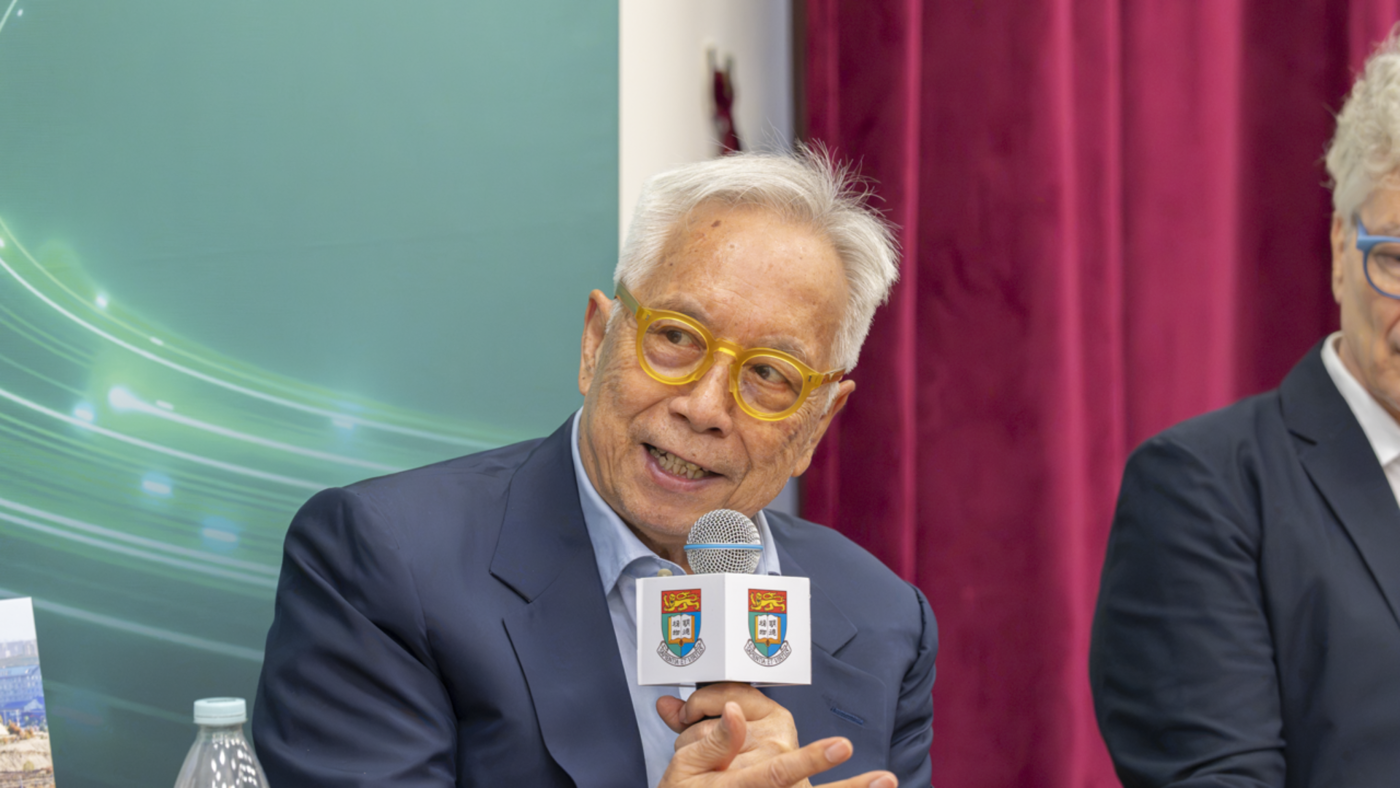
“All I can do is just be there, listen, and press the shutter.”
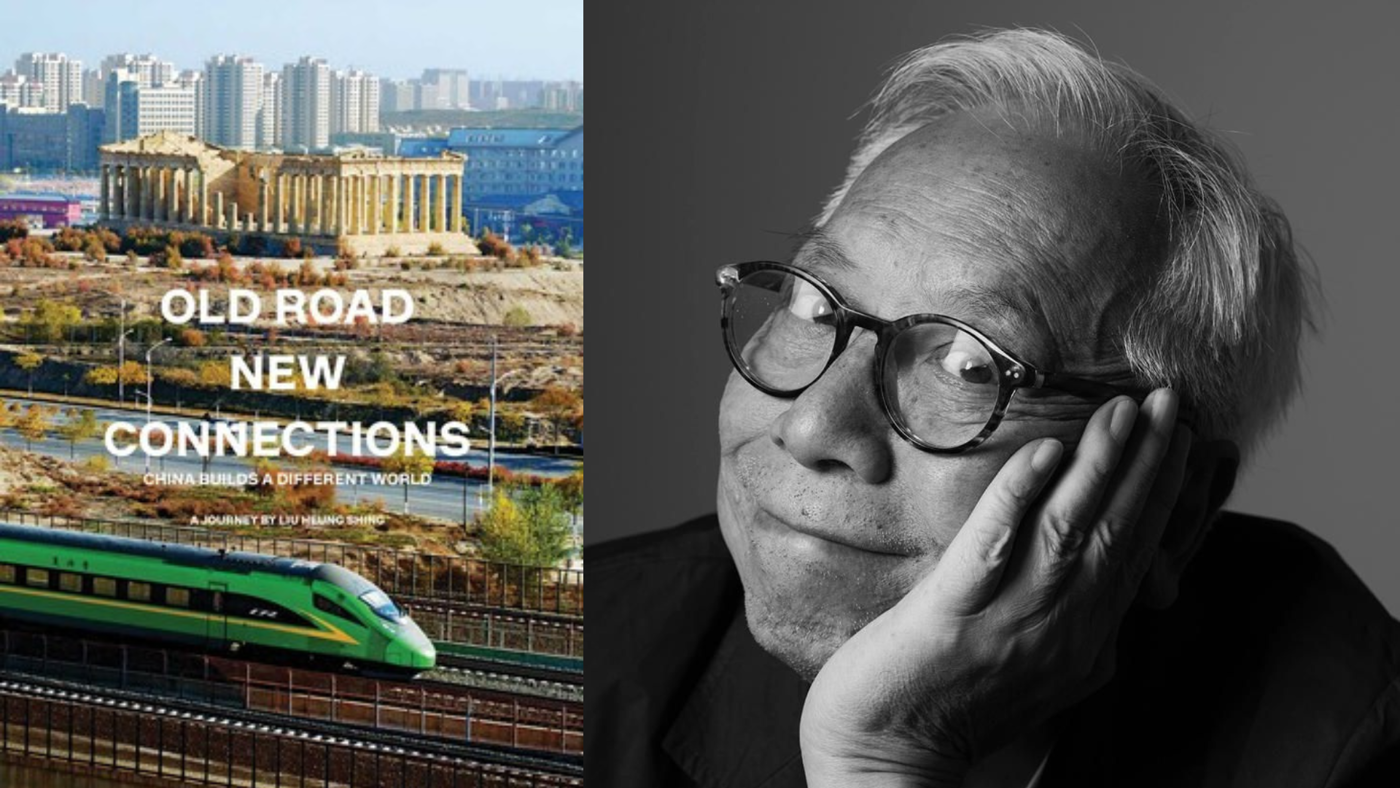
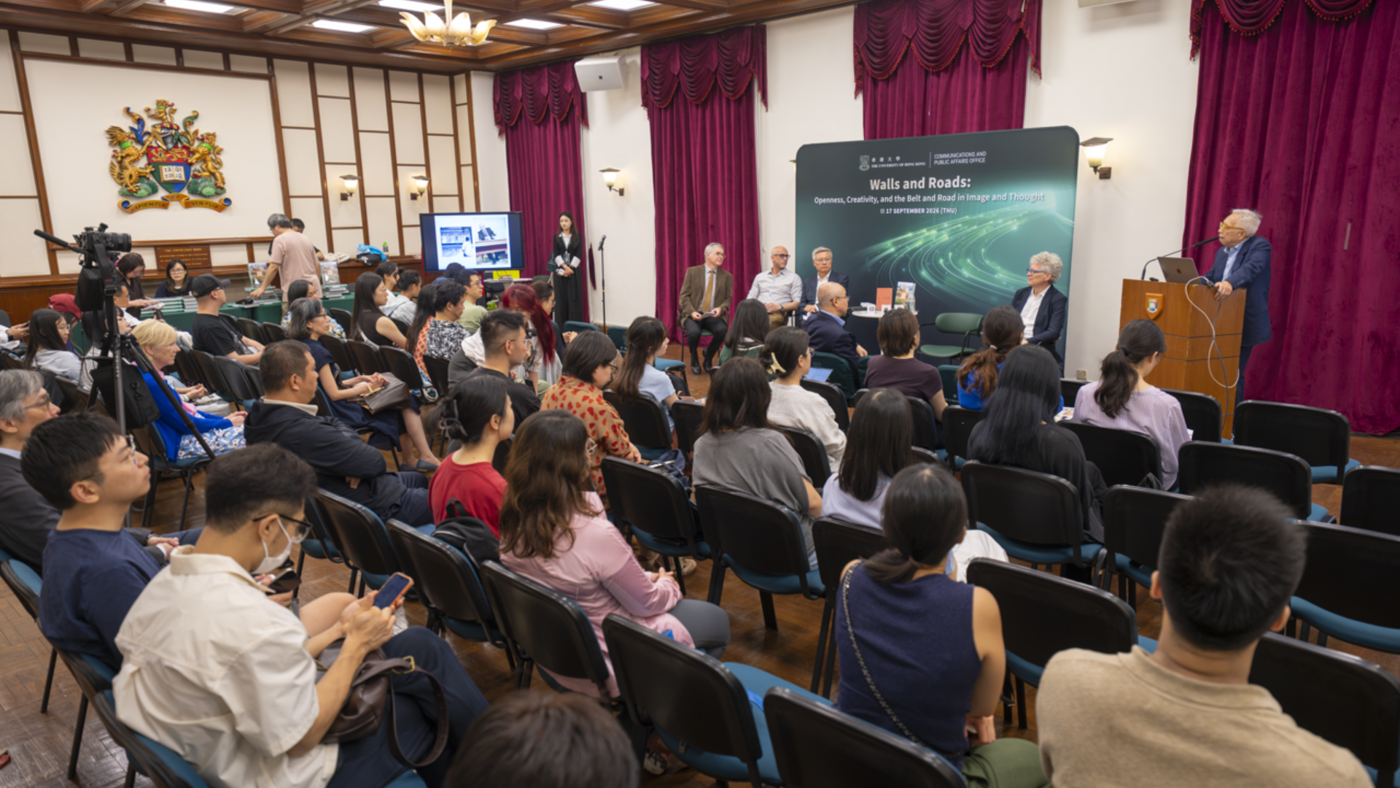
Pulitzer Prize-winning photojournalist Mr Liu Heung-shing delivered a talk at HKU Thursday, sharing his reflections on a 50-year career spent documenting some of the most momentous periods in Chinese and world history.
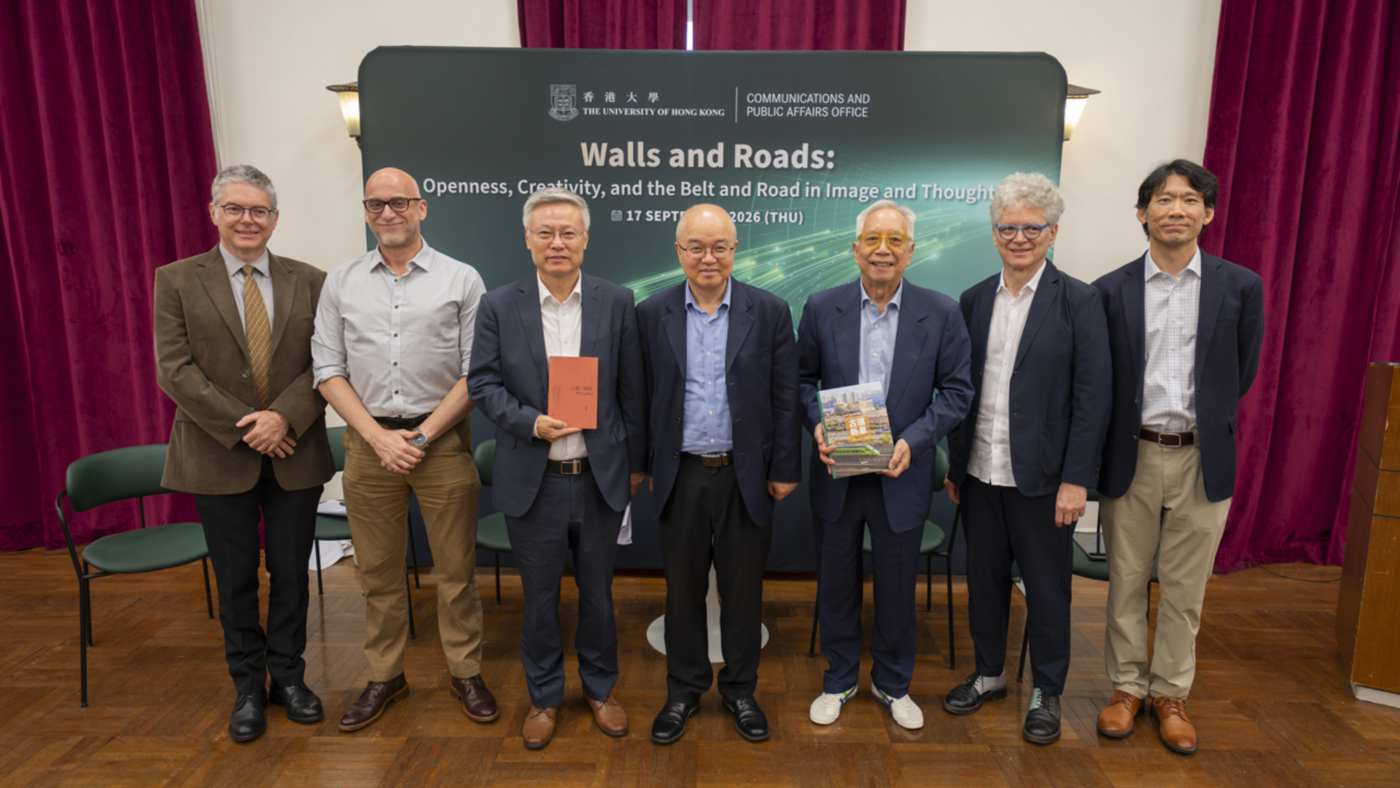
Hosted by HKU’s Communications & Public Affairs Office, “Walls and Roads: Openness, Creativity, and the Belt and Road in Image and Thought” brought Liu into dialogue with scholars of globalisation, urbanisation, and anthropology, including Professor David A Palmer, Professor Alain JF Chiaradia, Dr Joseba Estévez, and CityU Professor Liu Ningrong.
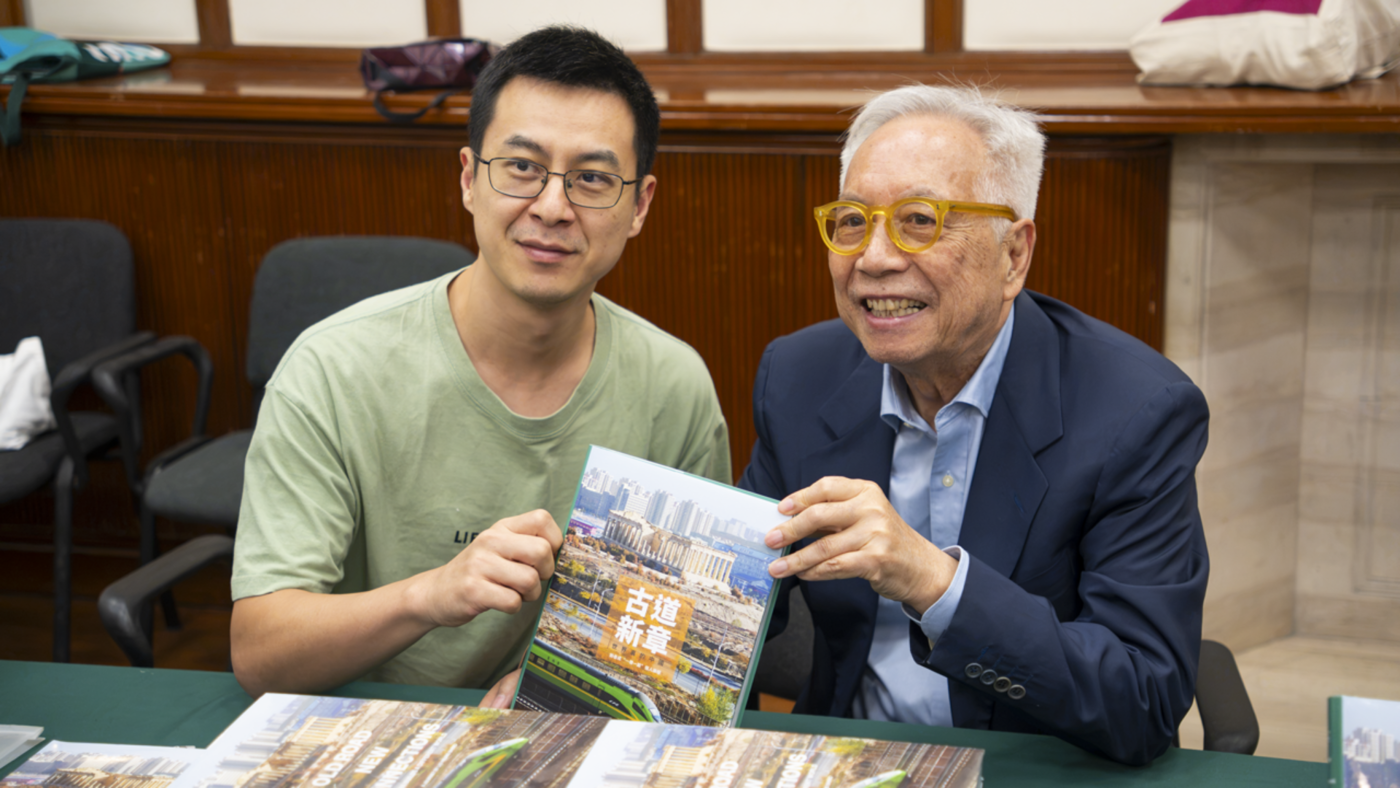
Their conversation centred around Mr Liu’s latest book, “Old Road New Connections”, for which he travelled to 21 countries and more than 50 regions, covering a distance of nearly 300,000 kilometres as he documented China’s mammoth Belt and Road Initiative.
"If and when China got this Belt and Road Initiative truly underway and completed it would arguably be the largest human project of the 21st century,” Mr Liu said of the book’s origins. “So for me, after 50 years of professional life I thought this is something I ought to do.”
In his opening remarks, Professor Yang Wang, Vice-President and Pro-Vice-Chancellor (Institutional Advancement) at HKU, praised Mr Liu’s ability to capture moments of ordinary life in the shadow of enormous change, from young Chinese drinking their first Coca Cola in the Reform era to the factory workers and railway operators re-stitching the Silk Road.
“He shows what everyday life is like,” Professor Wang said. “The dignity and the shared experiences of the people who actually live at the intersection of these new roads and ancient walls.”
That focus drove Liu from the oil fields of Central Asia to new high-speed rail lines in Southeast Asia, from mines and in Africa to ports in South America. At each stop, he sought to answer a vital question: As the Belt and Road Initiative moves from vision to reality, what exactly is changing?
His answer ultimately centered on people. His lens captured not only giant infrastructure projects, but also the people building them, the local communities living around them, and the individuals moving between different languages, cultures, and technologies.
A cup of coffee, a wedding, a dance, or a Chinese-language class all become tangible glimpses of how large-scale transformation enters everyday life.
Drawing on his experiences in international journalism, Mr Liu summed up his approach to photography as a willingness to be present.
"Just be there and see things for yourself,” he said. “Listen and look and observe.”
Related Topics
Related News