
HKU Today
Three Highlights From Professor Mari Pangestu’s Visit to HKU
The world is changing.
Tariffs, wars in Europe and the Middle East, surging oil prices, and the rapid rise of artificial intelligence are battering economies around the world, with few signs of relief in sight.
Few regions have been hit harder than Asia, says Professor Mari Pangestu, Special Envoy of the President of the Republic of Indonesia for International Trade and Multilateral Cooperation and a former Managing Director of Development Policy and Partnerships at the World Bank.
“For Asia, (these changes) are not just concerning, they are existential,” Professor Pangestu said at her recent Edward K Y Chen Distinguished Lecture organised by the HKU Business School at the University of Hong Kong October 7.
“The region’s growth model depends on multilateralism, an open and rules based trading system.”
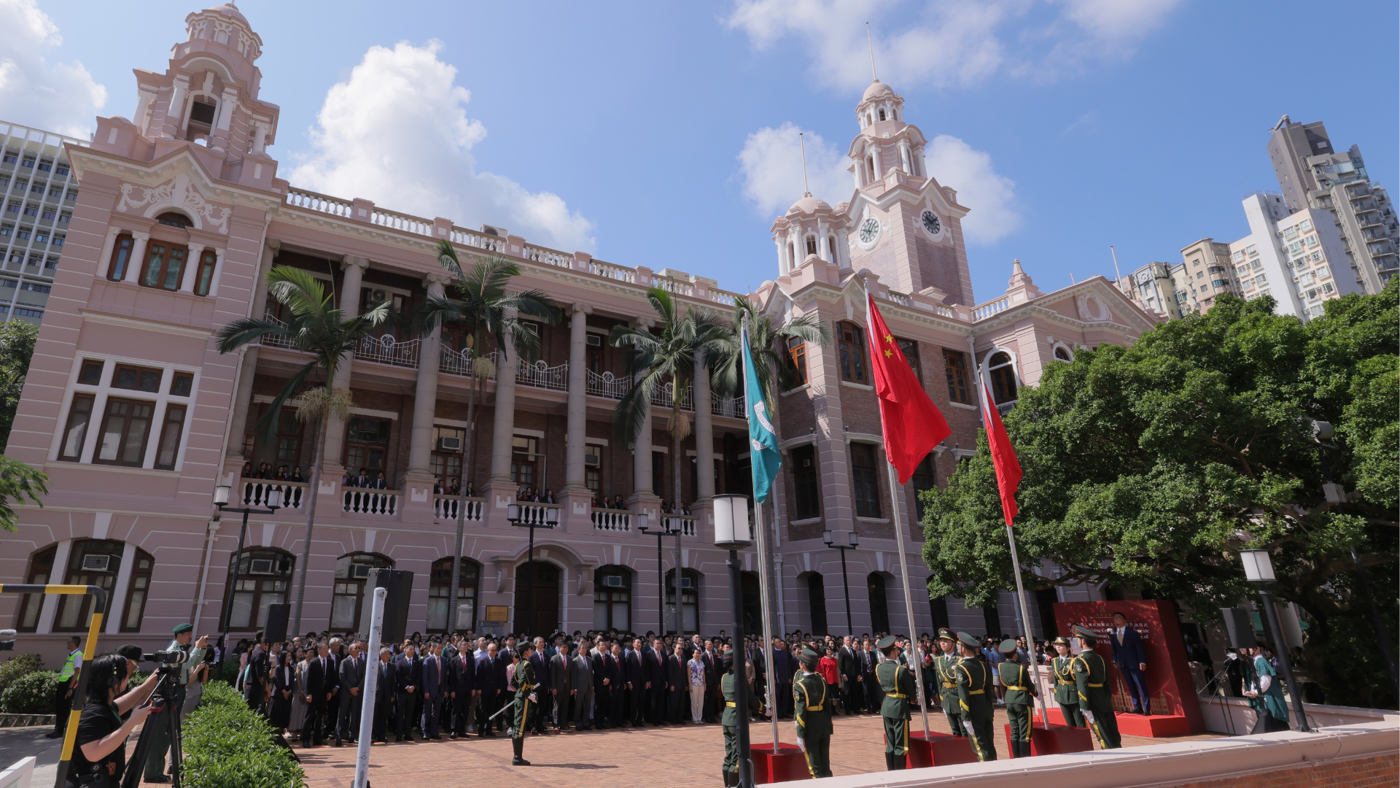
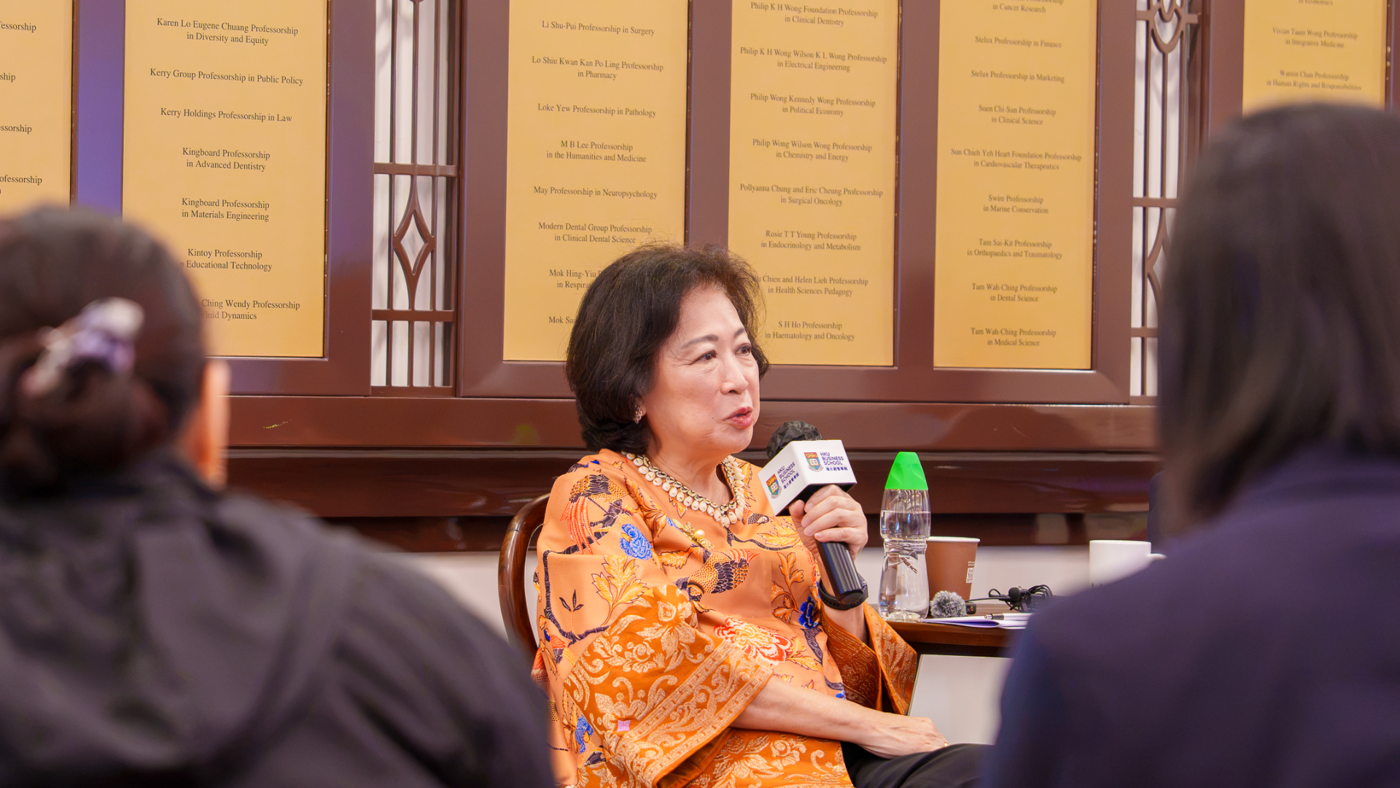
Prior to the lecture, Professor Pangestu sat down with local and international media at HKU’s historic Hung Hing Ying Building for a wide-ranging interview on currency shifts, supply chain challenges, the HKSAR’s role connecting China with ASEAN, and flows of people and ideas across the region.
Here are some of the highlights.
A “connector” between China and ASEAN
Chinese investment in Southeast Asia is expanding rapidly, according to Professor Pangestu. China is now Indonesia's number-one foreign investor, and the nature of that investment has evolved well beyond the resource extraction that once dominated the relationship.
While nickel, steel, and smelting projects laid the groundwork, a newer wave of investment is reshaping the landscape — driven by trade uncertainties and the need to diversify in the face of rising US tariffs. This investment spans labour-intensive sectors such as garments and footwear, as well as higher-end manufacturing like electronics, electrification, and electric vehicles, which Pangestu described as "a big wave" sweeping across the region.
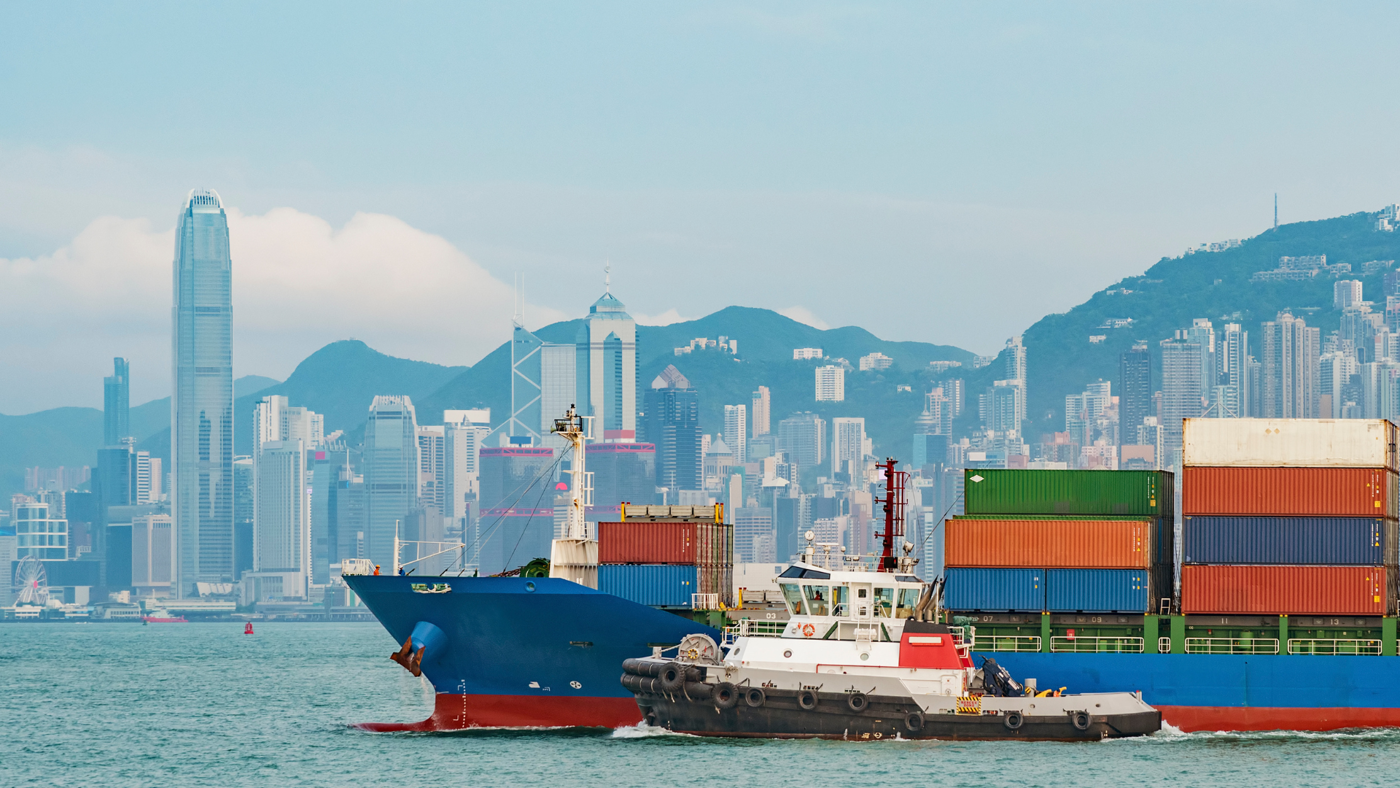
As ASEAN countries look to grow that investment and set the conditions for sustainable growth into the future, Hong Kong can offer knowledge and expertise, especially in the fields of law and finance. “In the past, Indonesia was primarily connected with Singapore, due largely to proximity,” Professor Pangestu said. “But in the future we should diversify.”
She also mentioned Hong Kong’s common law system as something Indonesia will likely seek to learn from as it develops its financial sector.
Going green
Professor Pangestu noted climate change is one of the great ruptures facing the world. Between skyrocketing oil prices, warming temperatures, and new trade regulations, emerging economies are rapidly decarbonising and looking for ways to stimulate “green growth”.
Two of the most obvious examples of this trend in action are the NEV and photovoltaics sectors. Not only are Chinese brands flooding into Indonesia; some are also moving manufacturing capacity there as they diversify their supply chains.
That has benefitted ASEAN members like Indonesia and Vietnam. Moving forward, Professor Pangestu expressed hope that China will share technologies in key sectors such as these, helping local industries develop.
As for Hong Kong, she sees the potential for it to play a key role as a “green finance hub” for the region, connecting Chinese investment with emerging carbon credit markets in places like Indonesia and facilitating bilateral currency clearance.
“High oil prices have opened a lot of opportunities,” she said. Hong Kong and ASEAN amended their investment agreement in September. “(Now,) we need to align standards and mobilise private capital for SE Asia’s energy transition.”
Staying open
Multiple reporters raised the challenge of navigating between the so-called G2 countries of the United States and China, especially on current flashpoints like AI.
Professor Pangestu expressed optimism that the US and China can cooperate, as they agreed to do in May, but acknowledged that on key issues like AI their most recent meeting did not produce much of substance.
“The jury is still out”, she said.
Ultimately, countries and regional organisations should develop their own AI policies, she said, building their capacity for AI governance and sovereignty rather than letting AI governance be handled elsewhere.
“I think we should be able to be part of both organisations”, she said, referring to the recently set-up agencies for AI governance set up by the US and China. “We can choose the best system and best models.”
The key is staying open, she added. “Openness is the way to stay resilient in an uncertain world.”
Related Topics
Related News