
Research & Discovery
China’s ‘Third Wave’: What Leaving — and Returning — Migrants Reveal About a Rising Power
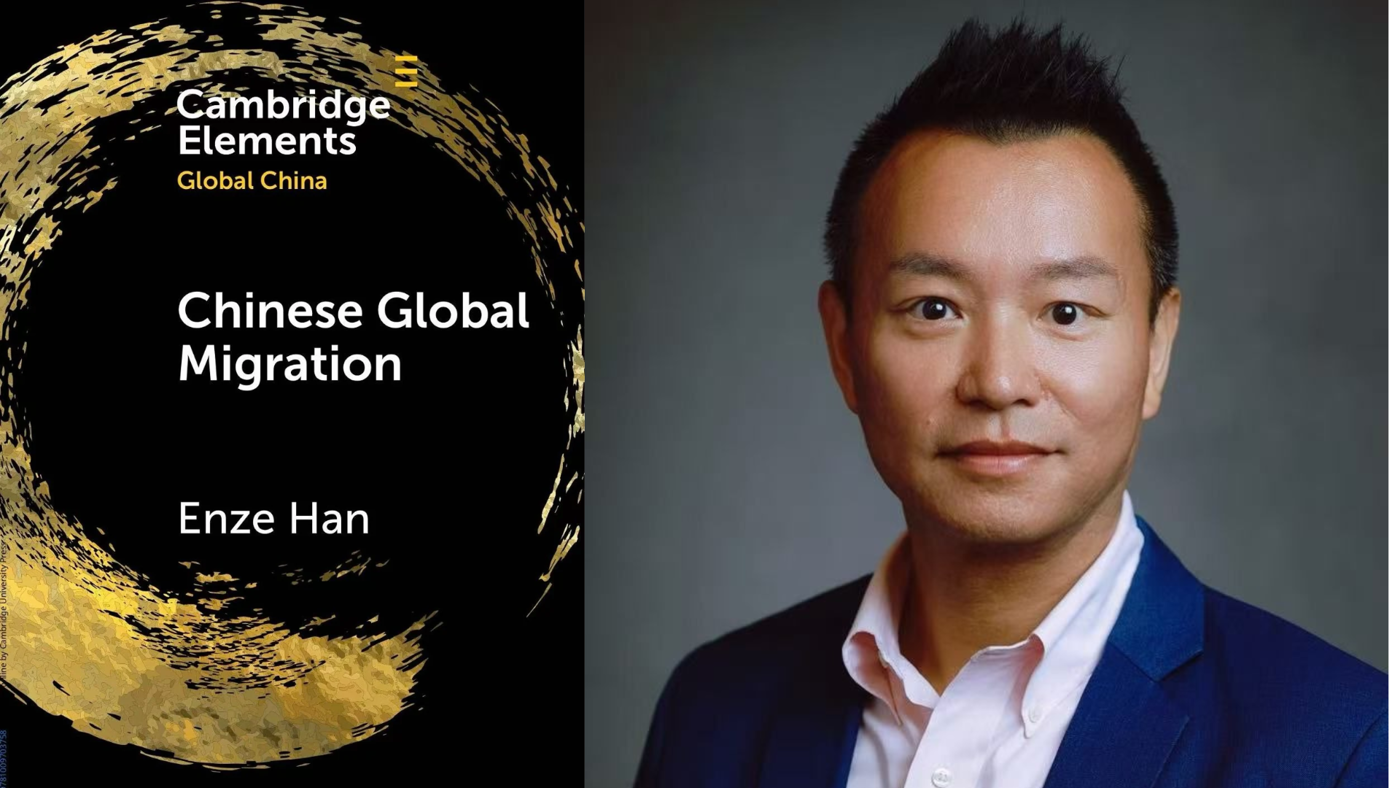
China’s rise has not brought its migration story to an end. Instead, it has opened new routes abroad — and made returning home more attractive for many. In his latest book, HKU political scientist Professor Enze Han explores how these movements belong to a changing global order, rather than a simple story of people leaving for a better life.
Published online on 12 November by Cambridge University Press, Chinese Global Migration examines three major waves over two centuries. Han, Associate Professor in HKU’s Department of Politics and Public Administration, connects the third to the reopening of China after reforms began in 1978, followed by the expansion of globalisation after the Cold War.
“Chinese global migration is best understood as a barometer of global power transitions,” he writes. Who can move, where they go and whether they return reveal not only personal ambitions, but also China’s changing position in the world.
The earlier waves were shaped by European imperial expansion and the political ruptures of the mid-twentieth century. Chinese labourers moved through colonial economies, often under coercive conditions and racial restrictions; later, civil war, competing ideologies and nationalist pressures displaced communities and complicated their loyalties.
The third wave is more varied. Students seek overseas qualifications, workers follow Chinese companies into international construction projects, and wealthy families pursue residence or citizenship through investment. China’s growing prosperity helps finance these journeys, while its expanding overseas economic presence creates new destinations and forms of employment.
Return, meanwhile, is no longer adequately understood as the final chapter of a journey. Han describes foreign-educated graduates drawn home by career and entrepreneurial opportunities, sometimes also pushed by immigration restrictions or difficulties finding work abroad.
Yet “return is often not terminal”, he writes. People may keep family, property and professional networks overseas, or leave again when circumstances change. Their lives can span several places without fitting neatly into the categories of emigrant, settler or returnee.
Hong Kong also features in the book’s account of changing educational choices. Mainland students are attracted by its universities’ international reputation and proximity to home — an example of how opportunities closer to China can reshape established routes towards Western destinations.
Han explored the book’s central argument in an October lecture at the University of Oxford. But his account is not simply a celebration of greater mobility. Wealth and skills open doors that remain closed to others, while geopolitical rivalry can turn international study and professional ties into questions of security and loyalty.
The book invites readers to see migration as more than a measure of who is leaving China. It is also a way to understand how China’s rise is changing where people can build their futures — and what returning home might mean.
Chinese Global Migration is published in Cambridge’s Elements in Global China series. It is Open Access and available to read free online.
Related Topics
Related News