
Research & Discovery
HKU Scholar Joins Global Team to Warn of Barriers to Bold Research
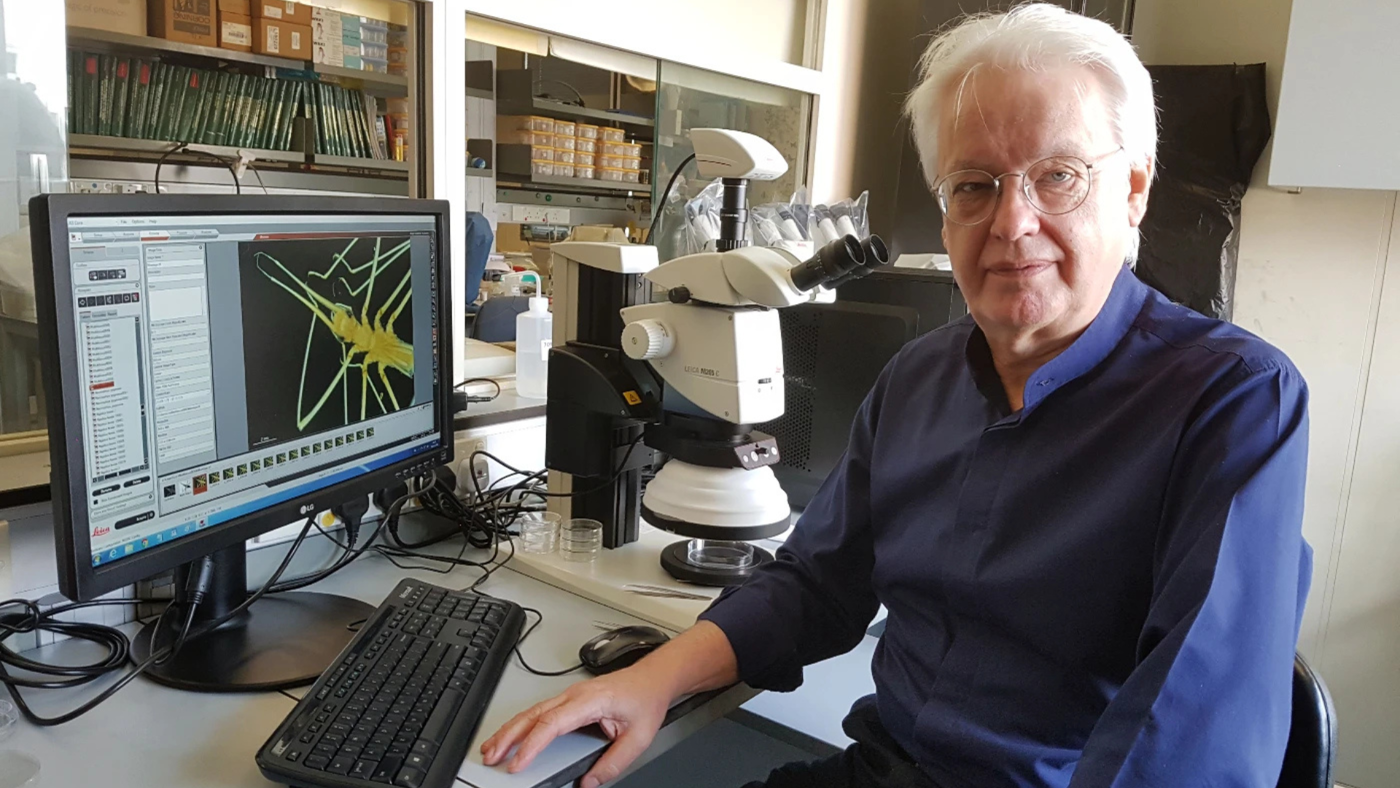
Science may be losing some of its boldest ideas before they have a chance to be tested. An international research team, including Emeritus Professor David Dudgeon of HKU’s School of Biological Sciences, has warned that short-term funding, insecure career pathways and mounting publication pressures are making it harder for scientists to pursue high-risk, innovative research.
In a Perspective article published 3 September in Nature Human Behaviour, the researchers reviewed how funding, peer review, publishing costs, employment insecurity, and academic hierarchies can favour safe and predictable work over ideas that challenge established thinking. Their central concern is that systems designed to evaluate research may also be discouraging the uncertainty, time, and freedom required for major scientific advances.
The pressure is especially acute for early-career researchers. The authors argue that the supply of PhD graduates and postdoctoral researchers has increased faster than the availability of stable academic positions in much of the world. With future employment often depending on grants, publications, and decisions made by senior academics or institutions, young scholars are pressured to work with familiar methods and focus on predictable outcomes.
The article also points to wider inequalities. High article processing charges can favour researchers at wealthier institutions and in well-funded countries. Administrative duties, teaching, peer review, and fundraising responsibilities can reduce the uninterrupted time needed for exploratory thinking.
Studies cited by the authors suggest that more than one third of PhD students have symptoms of depression and around one third have symptoms of anxiety.
The authors called for longer funding periods, dedicated support for high-risk research, evaluation criteria that reward conceptual novelty, greater use of double-blind peer review, reduced administrative workloads, and more stable research career pathways.
They also argued that research assessment should value originality, collaboration, persistence and non-linear careers, rather than relying heavily on publication counts and journal prestige.
“Systems that reward speed, branding and low-risk incrementalism over depth and rigour select for strategic compliance rather than scientific creativity,” they wrote.
“If this trend continues, the consequences are predictable: increased precarity, diminished intellectual diversity and slower conceptual progress, eroding precisely the qualities that modern academia nominally praises.”
Related Topics
Related News