
Research & Discovery
First-Ever IUCN Assessment Finds Hong Kong and Pearl River Estuary Oyster Reefs ‘Critically Endangered’
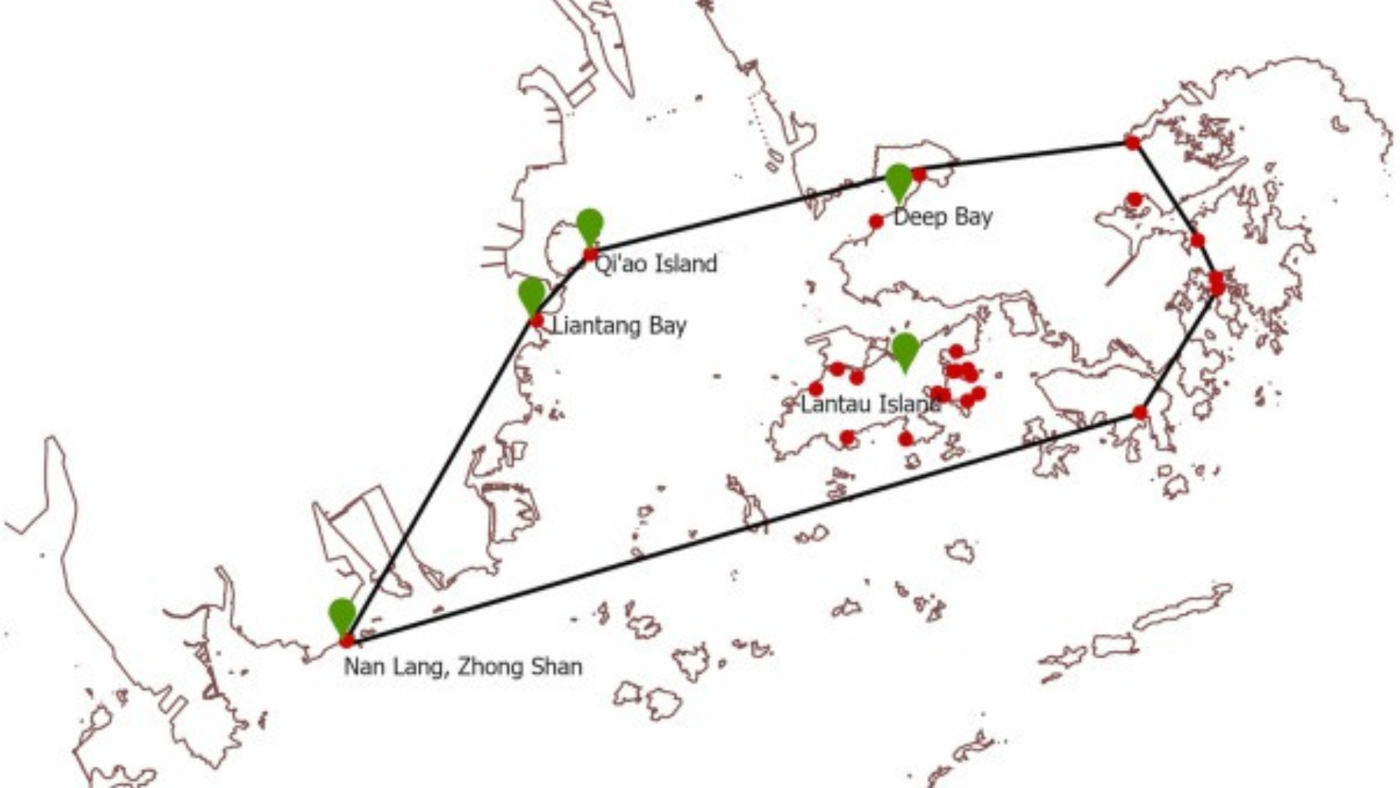
A millennium ago, the Pearl River Estuary was covered with oysters, which formed massive reefs along its shores and those of Hong Kong Island.
Those days are long gone. In a first-of-its-kind assessment of oyster reefs in Asia, an HKU-led research team has found that Hong Kong’s oyster reef ecosystem is Critically Endangered, according to criteria put forward by the IUCN Red List of Ecosystems.
“Our overall assessment ranks the risk of collapse for the ecosystem as Critically Endangered, indicating an urgent need to protect remaining reef patches and implement oyster reef restoration programs over large scales”, the team wrote in their assessment, which was published in Global Ecology & Conservation.
Historical and archaeological works describe vast, meters-tall reefs in the region at least as far back as the beginning of the 10th century CE.
The research team, led by Professor Bayden Russell of the Swire Institute of Marine Science, used historical ecology techniques to estimate this ecosystem covered over 3,000 km² in 1750. Today, that number is just 1.34 km², a decline of 99.96% in less than three centuries.
They added that the loss is being driven by a mix of land reclamation and shore modification, with water pollution and climate change also playing a role.
But the situation is not hopeless. Oyster recruitment in Hong Kong has grown to hundreds of thousands of individuals per square metre, and water quality is gradually improving in parts of the territory.
“In gathering all of the information for the assessment, we discovered how incredibly important these ecosystems were to Hong Kong historically”, Professor Russell tells The HKU Lead.
“Now, with this knowledge, we can set about protecting the remnant ecosystem from further damage from development and harvesting and start to restore oyster reefs across Hong Kong. Only then can we recover the biodiversity and benefits that they provide us.”
Related Topics
Related News