
Research & Discovery
How an HKU Engineer Is Helping Older Adults Regain Their Mobility
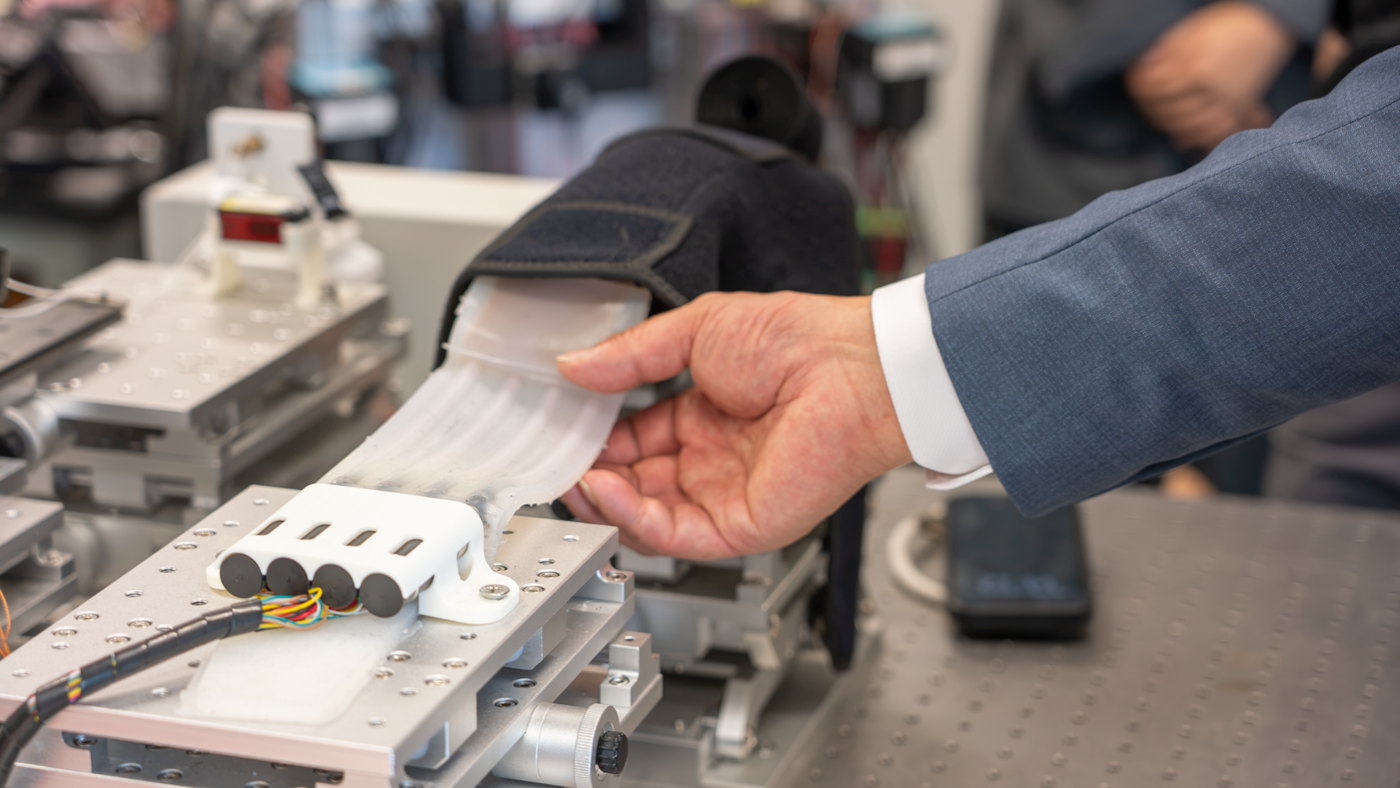
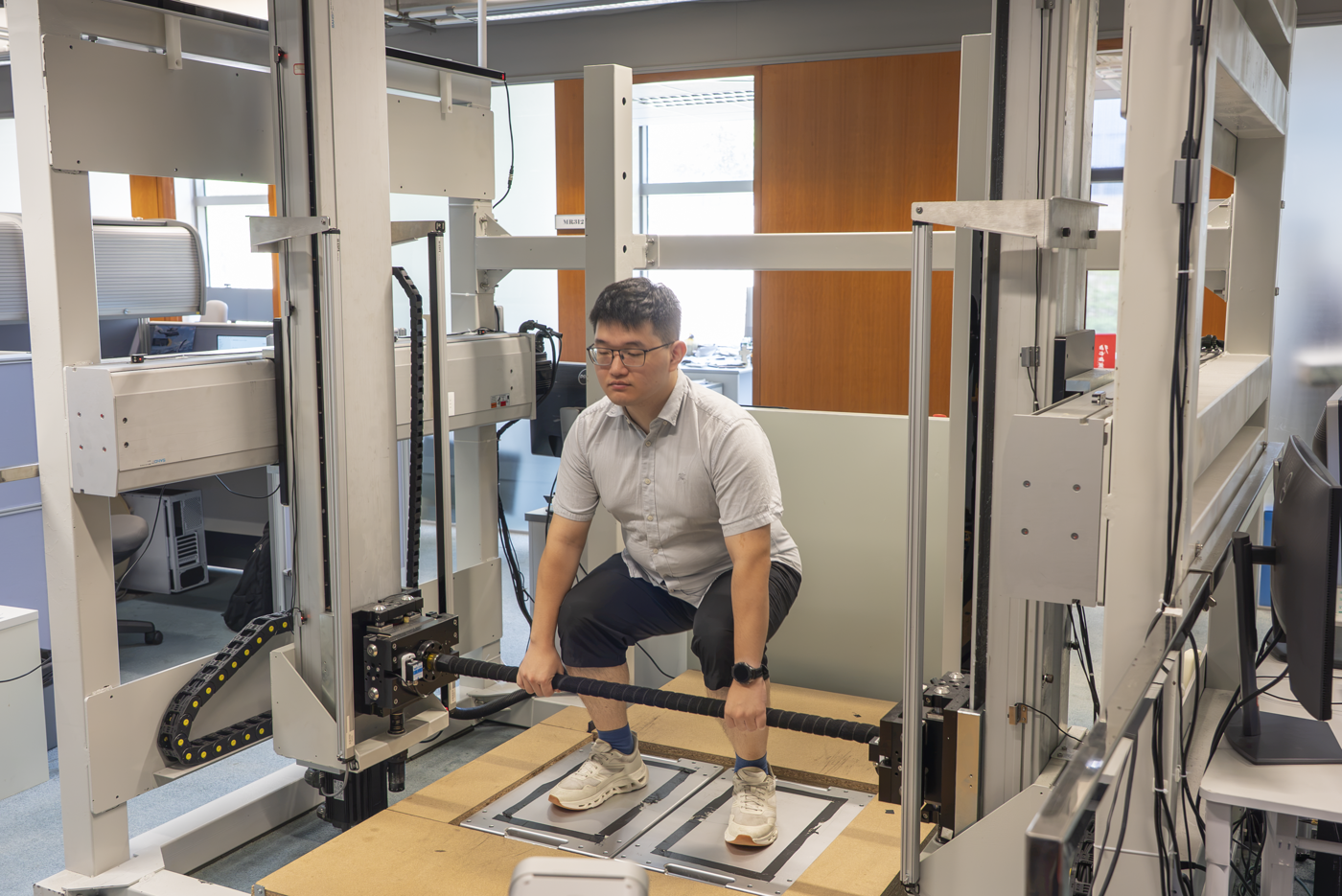
In a lab demonstration, the movement triggered by a human muscle contraction, a small artificial muscle, representing a muscle at the back of the lower leg, contracts in response. In everyday use, Professor Ning Xi explains, the device will read the signals associated with a person’s own muscle movement and uses them to drive an artificial muscle in synchrony, adding support when the body’s strength is not enough.
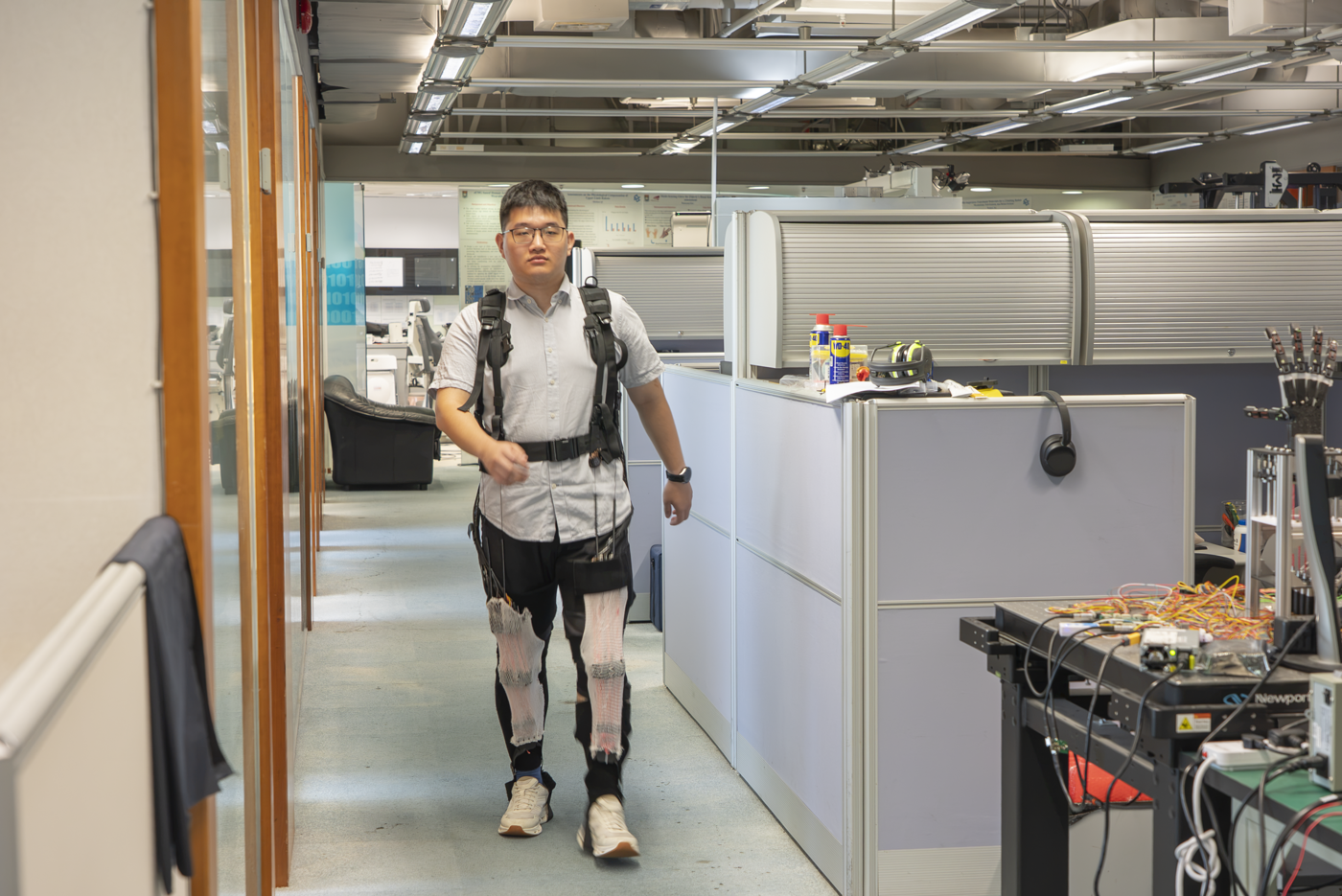
This approach is central to Exynergy, Professor Xi’s project to develop a soft, wearable robot that can assist older adults with walking and daily movement. Instead of a rigid exoskeleton, the system is designed more like clothing. It can be worn close to the body and, in principle, under ordinary clothes. Professor Xi contrasts this with rigid-body exoskeletons, which he says may be unsuitable for many elderly users, particularly when comfort, bone health and natural movement are concerns.
The key innovation is an artificial muscle. Rather than using a motor to move a joint directly, the project develops muscle-like strands that can contract and help generate force. Professor Xi describes the material as soft when not in use, but able to stiffen up when force is applied. This change in stiffness allows it to transmit force more effectively to the body when assistance is needed, while remaining soft enough to be worn when it is not actively working.
Now, with support from HKU and the HKSAR government, Professor Xi wants to bring his tech out into the world, helping seniors around the globe live healthier, happier, and higher quality lives.
A Vision from Factory to Family
The inception of Exynergy stems from a pivotal shift in Professor Xi’s research direction after joining HKU at the end of 2015. Upon arriving at HKU, he observed robotics moving from industrial factories into domestic homes, shifting from supporting manufacturing to directly assisting people, which prompted his pivot toward healthcare robotics.
In his new feel, everything must be personalised. Professor Xi says the amount of support must be calibrated to each individual. Too much assistance could reduce the user’s own muscle engagement and affect balance; too little may fail to help. The team therefore works on models that estimate how much force a person needs for normal walking and daily tasks. The goal is to provide enough support for activities such as walking, climbing stairs and moving on slopes, while still allowing the user’s own muscles to work and be exercised.
The team’s research journey has received vital support through multiple major grants, including the Research Grants Council’s General Research Fund (GRF) and Theme-based Research Scheme (TRS). Subsequently, the project was awarded funding in the second round of the RAISe+ Scheme by the Innovation and Technology Commission of the HKSAR Government – providing a critical springboard to push the technology from laboratory development toward commercialization, allowing innovative achievements to enter the community and benefit the public.
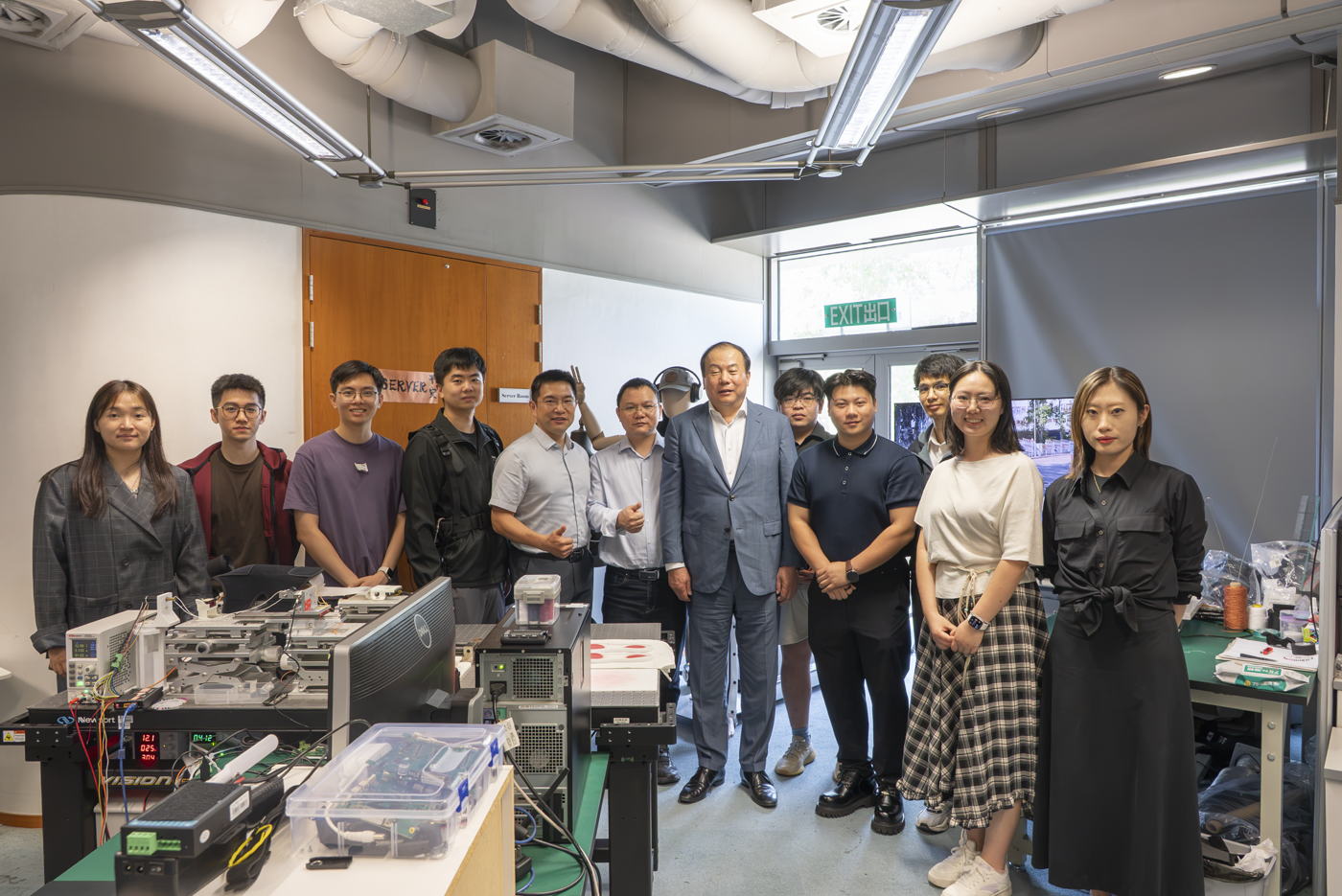
Plenty more challenges remain. The current system weighs approximately 2 kilograms, including the battery, and the team is collaborating with clothing design partners in Shanghai to optimize weight, aesthetics, and ease of wear. The multidisciplinary laboratory team also works closely with senior volunteers from the community for testing and evaluation, drawing on expertise in robotics, human wellness, apparel design, medicine, and social work.
"Our original intention in developing this technology is to help older adults — not simply to extend their lifespan, but to enable healthy and joyful longevity," says Professor Xi. "This is about active and healthy ageing. Robotics is not meant to replace the body with a cold machine, but to act as a soft, intelligent layer of assistance that listens attentively to the body’s signals and offers warm support when it matters most."
At the cutting edge
Professor Xi and his team at the Department of Data and Systems Engineering have pioneered a wide range of innovative projects in robotics, spanning healthcare, services and industrial applications. In healthcare and assistive technology, the team has developed wearable robots, fitness robots, medical robots, and nanorobots for biomedicine. In industrial and specialized applications, their work encompasses semiconductor manufacturing equipment, manufacturing robotics, teleoperation systems, construction robots, cleaning robots, as well as reconnaissance and disinfection robots for police, hospital, and airport environments.
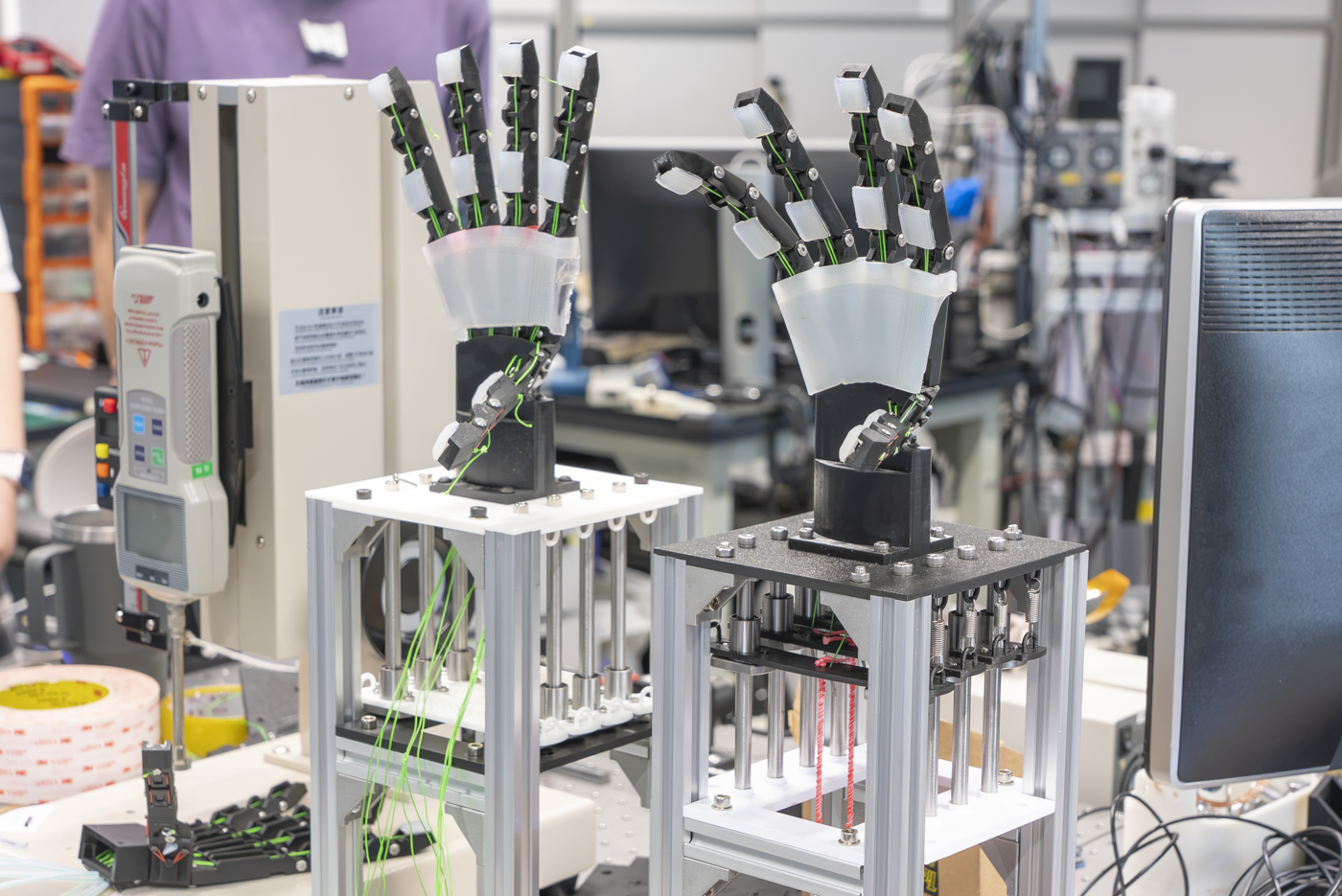
Building on these rich research foundations, the artificial-muscle-driven robotic hands tested alongside the soft wearable robot have strong potential for prosthetic applications. The team notes that artificial muscles can first learn movements from a human hand and transfer those functional actions to robotic or prosthetic hands via artificial muscles, opening broad prospects for future technology.
Exynergy is scheduled to showcase its groundbreaking innovations at the HKU Innovation Week on Wednesday 14 October, 2026. Professor Xi hopes the event will help the wider public gain a deeper understanding of these pioneering technologies, secure sustained support from investors, and encourage aspiring young minds to join the mission of translating research achievements into practical products.
Learn more about how HKUers are changing the world at HKU Innovation Week 2026.
Related Topics
Related News