
People
How HKU Is Transforming Art Exhibitions into Engines of Academic Discovery
This article is part of an ongoing series about HKU’s museums.
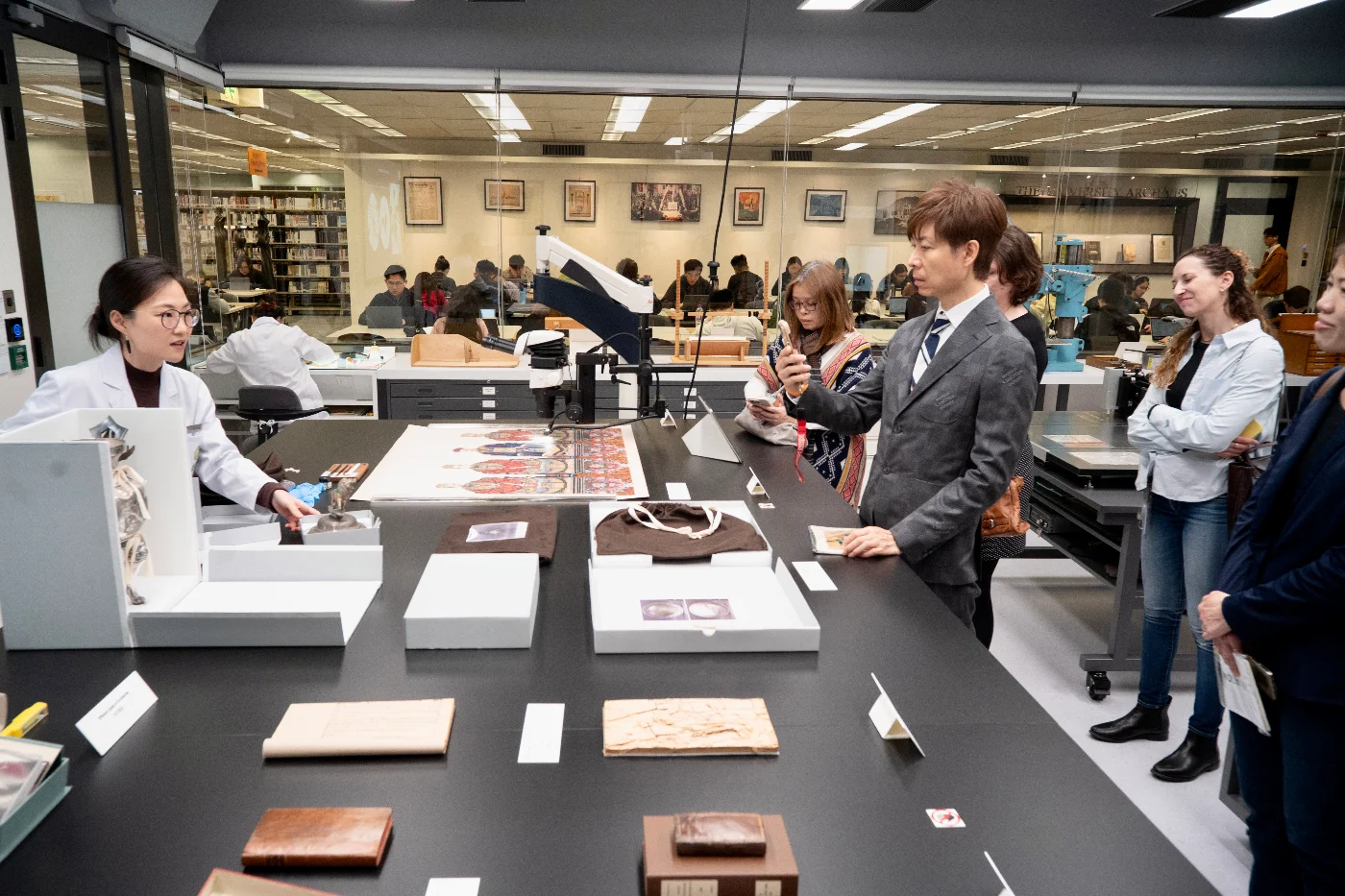
The University Museum and Art Gallery (UMAG) at the University of Hong Kong is renowned for being a cherished heritage building and a place to admire art. But it is much more than that. For students in HKU’s 12-month Master of Arts in Museum Studies programme, it is a working museum turned into a classroom.
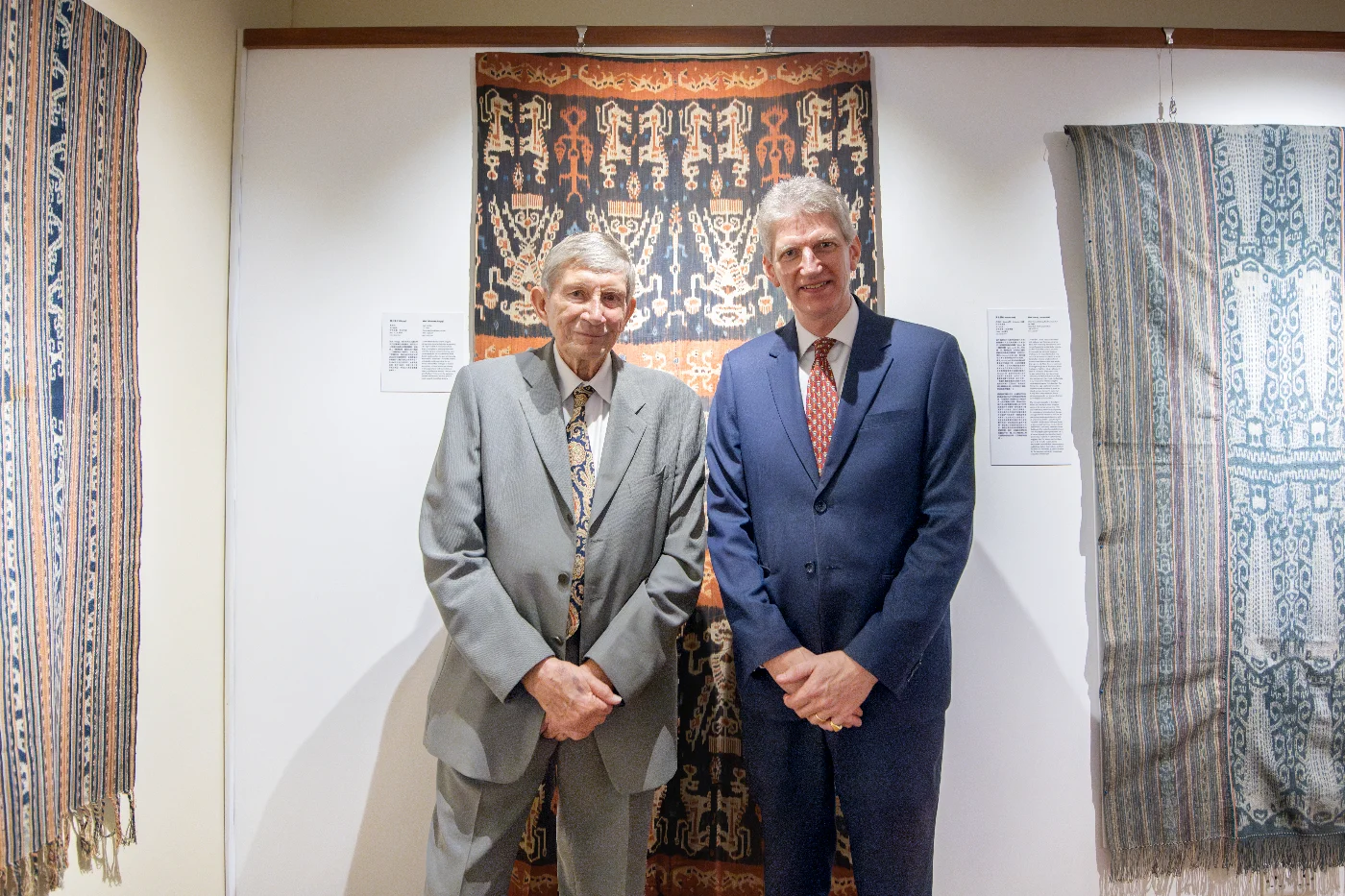
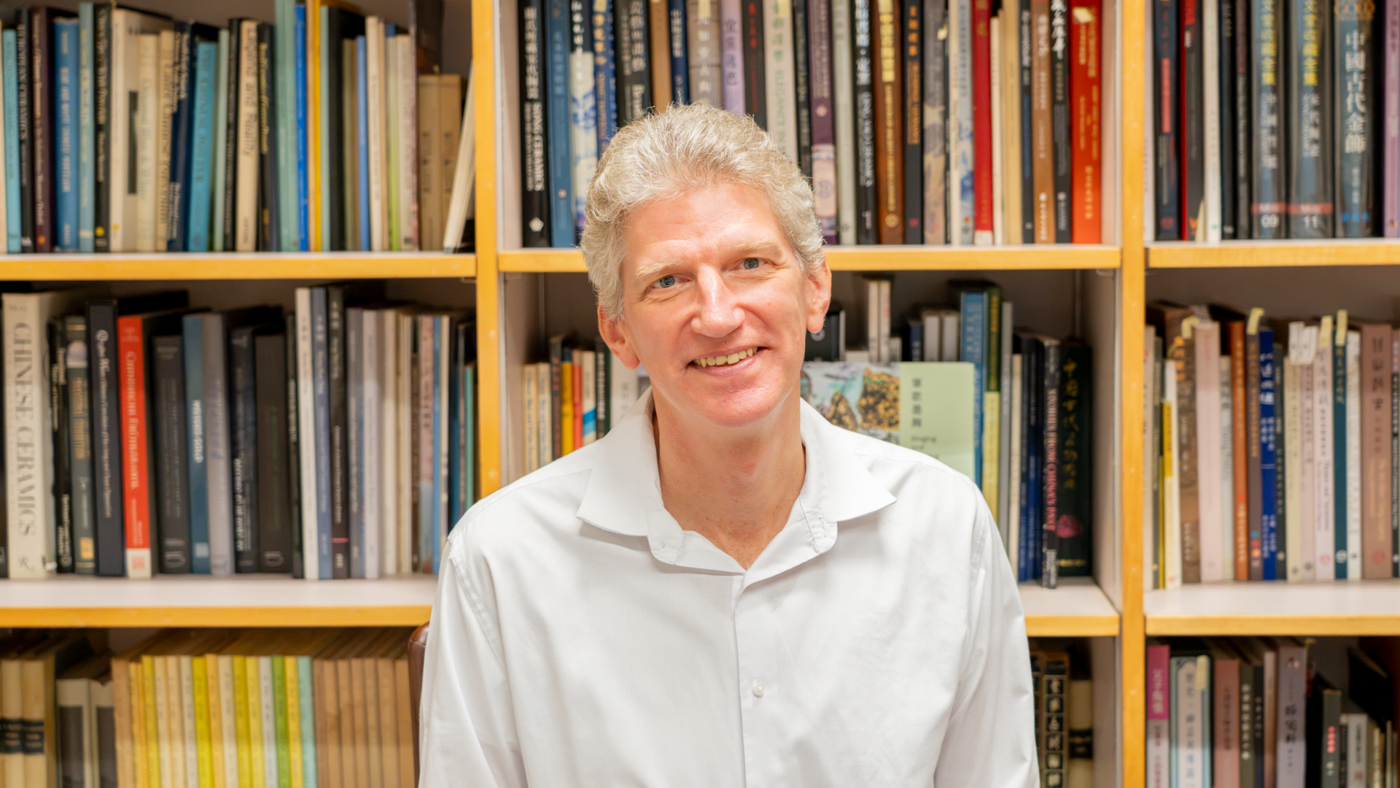
That idea — making the museum itself part of the learning environment — has become a central focus for Professor Florian Knothe, Director of UMAG, who also serves as a curator and teaches museum studies. Having come to Hong Kong from New York, he has lived in the city for nearly 14 years. His work at HKU now sits at the intersection of academic research, curatorial practice and public education.
The impact is visible in how UMAG defines its role. Rather than treating exhibitions only as displays of objects, Professor Knothe frames them as opportunities to create and share knowledge with students, scholars and the public.
“We are not only displaying works of art; from the beginning of the curatorial process, we ask what new knowledge we can pass on to the public and to students,” Professor Knothe said.
His approach is shaped by a career that has crossed institutions, disciplines and cultures. Professor Knothe was trained in restoration/conservation, art history and cultural heritage law, and previously worked at the Metropolitan Museum of Art in New York and the Corning Museum of Glass. His research focuses on 17th- and 18th-century decorative arts, royal manufactures and chinoiserie, as well as Ming and Qing dynasty Chinese art — fields concerned with East-West cultural exchange, adaptation and interpretation.
That scholarly background aligns closely with Hong Kong’s own position as a meeting point of cultures. For Professor Knothe, an exhibition can operate as a form of cultural diplomacy: a way to examine how objects, images and artistic ideas travel between societies, and how different audiences read them in new contexts.
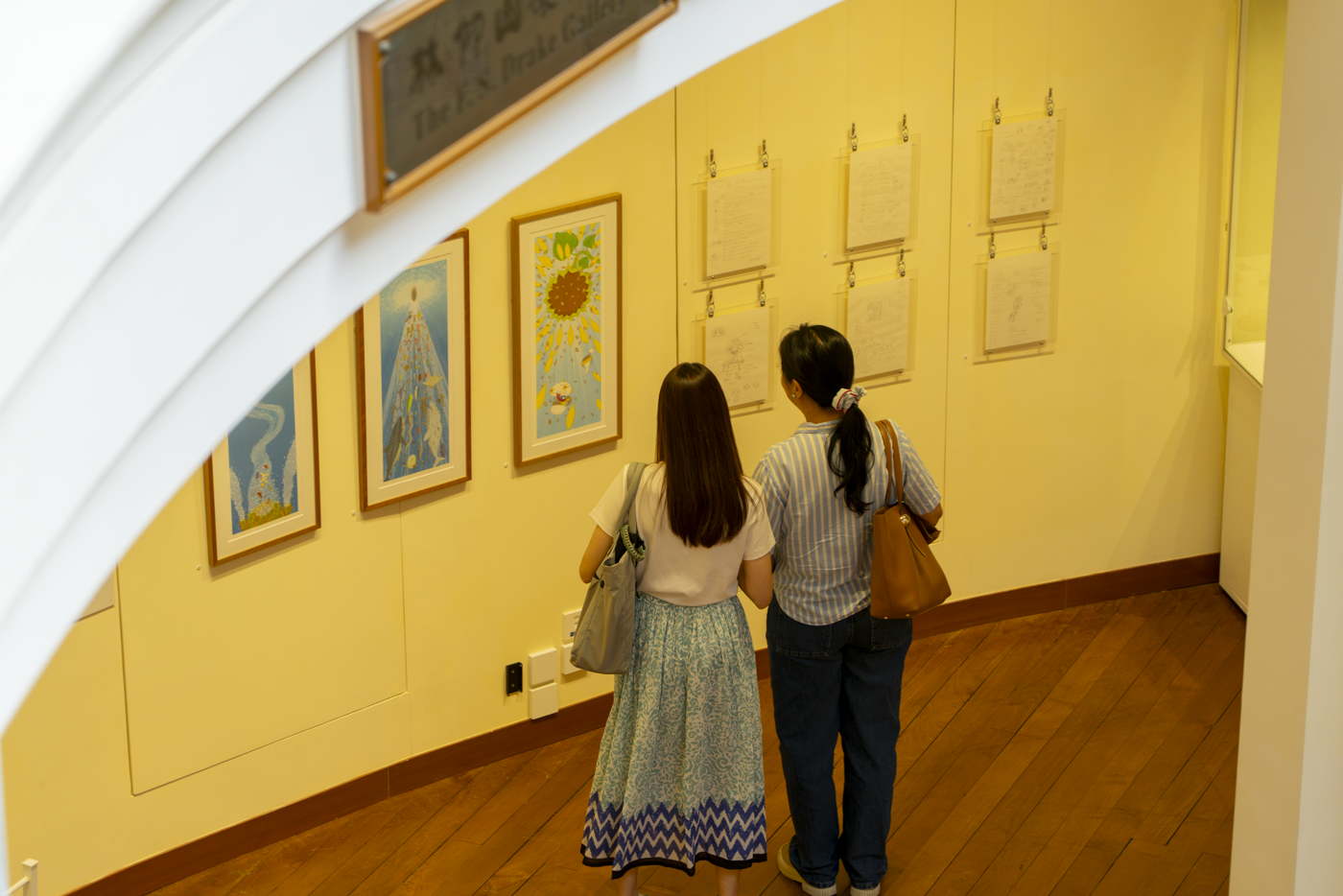
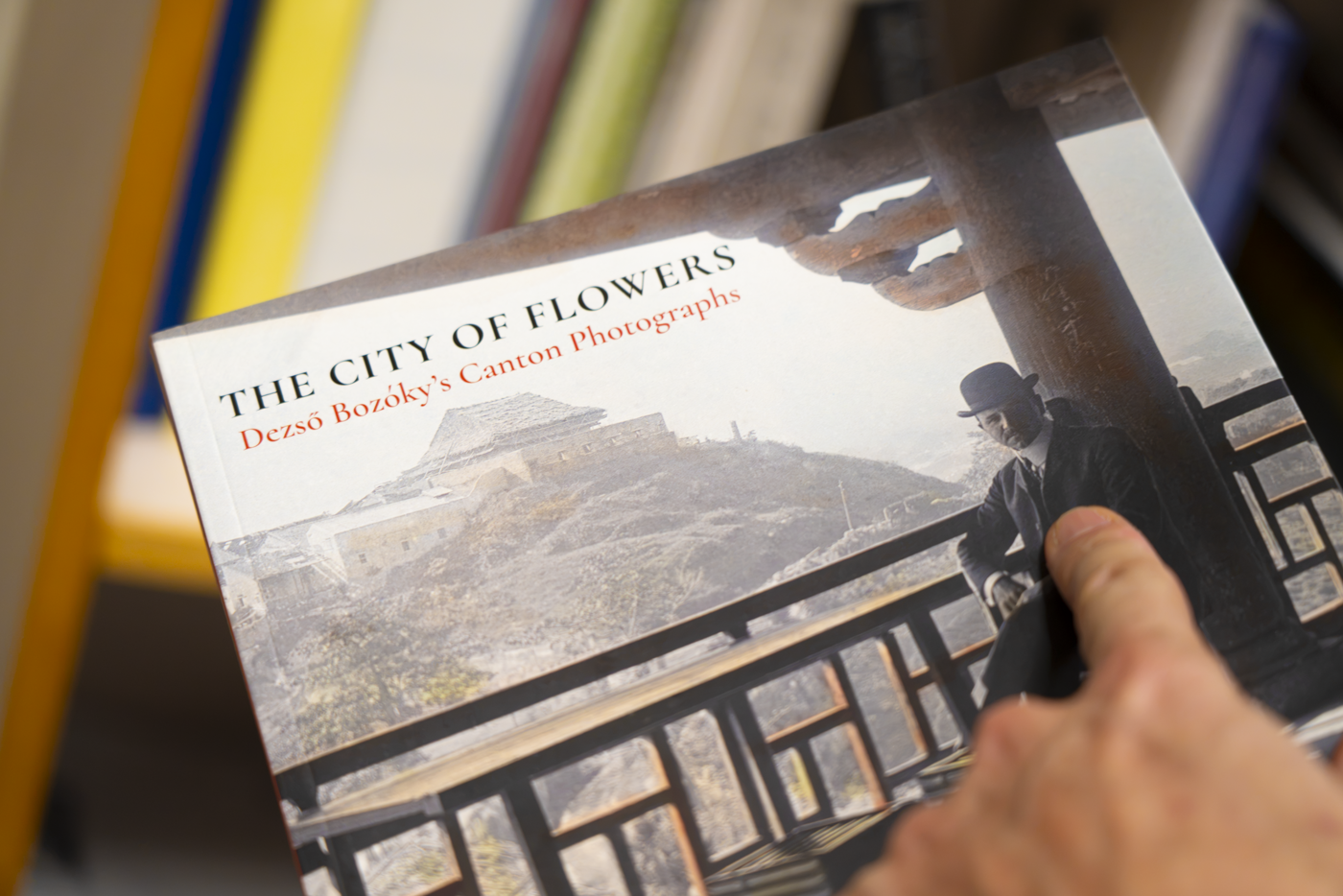
At UMAG, he has led and curated more than 100 exhibitions. These range across time and geography: 18th-century Qianlong-period Sino-French court textiles; early 20th-century images of the South China coast by an Austro-Hungarian photographer; European art exhibitions organised with international partners such as Le French May and corporate sponsors; and an upcoming exhibition on the development of Chinese writing through oracle bones, bronze inscriptions and rubbings.
More than a Museum
Together, these projects show how a university museum can do more than preserve and display collections. It can create a setting where historical objects become teaching material, research questions become public programmes, and international collaboration becomes part of local cultural education through community outreach and UMAG’s internationally recognized publishing label.
UMAG’s teaching mission also extends beyond postgraduate training. During the pandemic, the museum developed a digital art education platform for primary and secondary schools across Hong Kong. Its educational work spans public learning, HKU undergraduate core courses, the Master of Arts in Museum Studies and PhD research.
“If the public simply comes in, takes a look and appreciates the artworks, that is good; but if people want deeper knowledge, we are always ready to support them,” Professor Knothe said.
That readiness matters at a time when Hong Kong’s museum landscape is expanding, including through major cultural institutions such as M+ and the Hong Kong Palace Museum. In that context, UMAG’s role as a teaching museum gives it a distinct contribution: it links exhibitions with training, and public engagement with the development of future museum professionals.
Professor Knothe has received honours from the French and Hungarian governments for his contributions to cross-cultural exchange and has been invited to serve on a related international advisory committee at Peking University.
The direction of his work at HKU is very clear. From curating exhibitions to teaching museum studies, from international research to Cantonese public education, Professor Knothe has developed UMAG into a platform for cultural exchange and professional development. In doing so, he is helping the museum act not only as a gallery for the public today, but as a training ground for the people who will shape the future of museum work in Hong Kong and beyond.
Related Topics
Related News