
Research & Discovery
Can an Hour of Green Spaces Each Week Keep the Doctor Away?
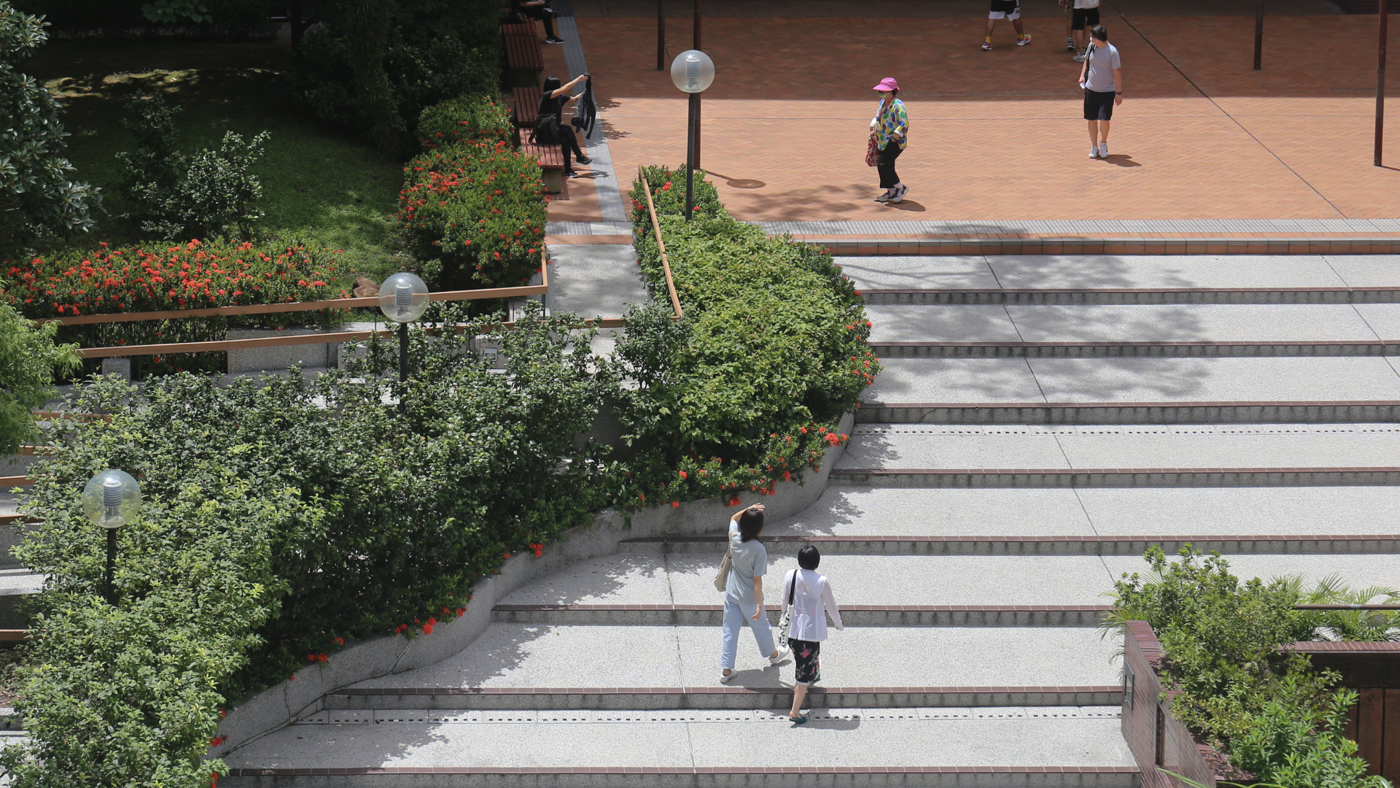
An HKU-led research team has just produced what may be the most comprehensive answer yet to a deceptively simple question: Exactly how much can green spaces, especially natural green spaces, promote our mental health?
As cities have gotten denser and access to green spaces shrunk, rates of depression and anxiety have climbed more than 15% in the past decade, now affecting over 550 million people worldwide.
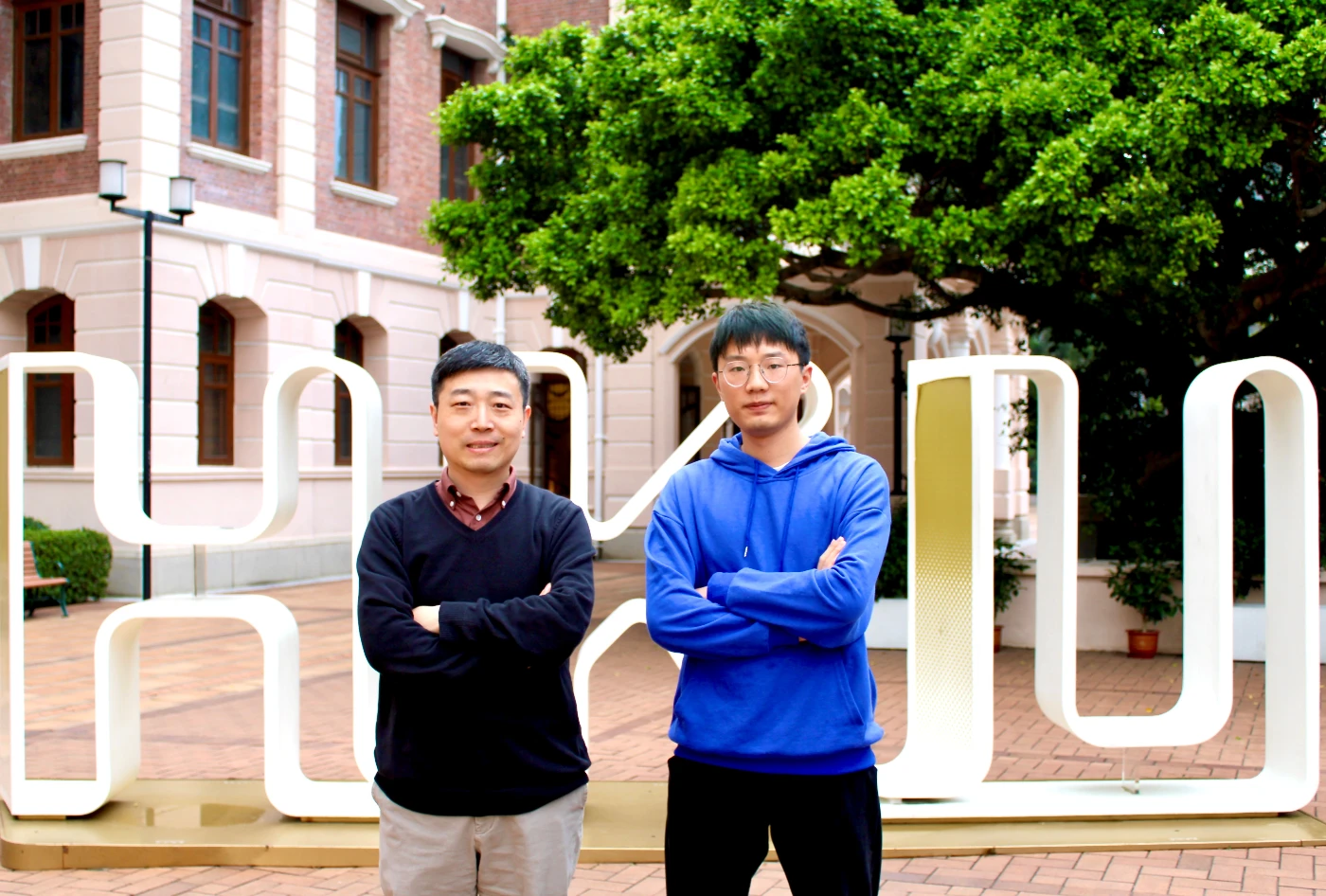
The research team was led by Professor Bin Jiang of HKU’s Faculty of Architecture and included HKU Vice-President and Pro-Vice-Chancellor (Academic Development) Professor Peng Gong, HKU Chair Professor (Urban Planning and Development Economics) Chris Webster, and Professor Gunter Schumann of Fudan University, Charité Berlin, and Cambridge. The first author was Ms Jiali Li, a PhD student at HKU.
Together, the team synthesised 92,430 studies spanning 1980 to 2025 — ultimately distilling 78 dose–response curves and 756 data points — to map how the frequency and duration of greenspace visits relate to mental health outcomes including depression, anxiety, stress, and mood.
They found that the mental health benefits of exposure to green spaces followed a sigmoid – or S-shaped – curve: rising steeply with even modest exposure before gradually levelling off.
That allowed the team to propose three concrete “Estimated Dose Benchmarks.” At the basic level, just one visit and one hour per week achieved 50% of the maximum observed benefit. A moderate dose — four visits and four hours per week — captured 90%. And a high dose — six visits and roughly eight hours per week — reached 99%, effectively the maximum.
The practical implication of the study, published in the Journal of Environmental Psychology, is striking: the largest gains come from the smallest first steps, making the findings especially relevant for time-pressed urban residents or people currently getting no nature contact at all. "Small changes can deliver meaningful benefits," the authors write, suggesting that something as simple as rerouting a daily commute through a park could make a measurable difference.
At the same time, the diminishing returns at higher doses mean that policymakers and urban designers need not aim for extreme targets. Modest, well-distributed access to green space may be enough.
The results also attracted widespread attention outside academia, with a Reddit post about the findings receiving 133 comments on r/science.
The researchers caution that more work is needed to fully understand the effects of green space on mental health.
Their benchmarks are population-level averages, not individual prescriptions: responses will vary with age, climate, the quality of the green space, and a person's baseline mental health. Data on very high-dose exposure remain thin, and a third dimension of the team's broader "Dose of Nature" project — accessibility, or how far people must travel to reach greenery — requires more evidence gathering.
Still, with urbanisation set to push 5.6 billion people into cities by 2050, the study offers planners, clinicians, and ordinary residents a rare piece of actionable science: nature helps, a little goes a long way, and we now have the numbers to prove it.
Related Topics
Related News