
Research & Discovery
Seminar Examines PISA 2025 Results and Future of Education in Hong Kong
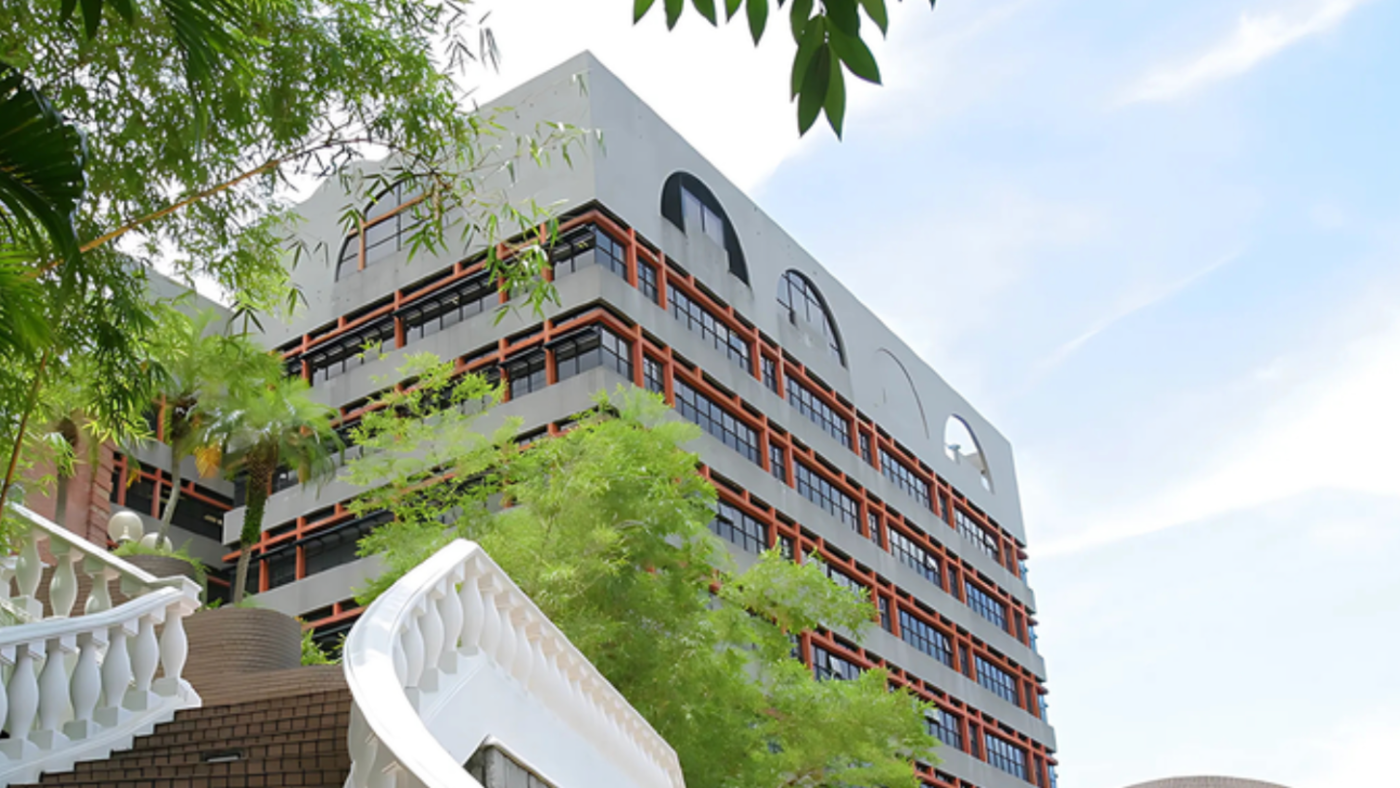
The Faculty of Education at The University of Hong Kong brought together nearly 200 educators, school leaders, academics, and policymakers on October 17, 2026 for a seminar examining what the latest PISA results reveal about the strengths and needs of Hong Kong's students — and how those insights can be translated into classroom practice.
The seminar, titled “What Can We Learn from the PISA Results?”, was organised by the Faculty’s PISA 2025 Project Team. The Programme for International Student Assessment (PISA) is an international study that assesses whether 15-year-old students can apply knowledge and skills in unfamiliar and real-life contexts. Professor Frederick Leung, a member of the project team, described PISA as a “health check” on the education system — one that helps identify students' strengths and learning needs but should not be treated as a comprehensive report card.
Presenting their analysis, the project team noted that Hong Kong students’ performance in the three core domains of Science, Mathematics, and Reading has shown an overall downward trend since peaking in 2012. The proportion of top-performing students in mathematics fell from 33.7% in 2012 to 20.7% in 2025, while approximately one-fifth of students did not reach baseline proficiency in either science or reading.
At the same time, Hong Kong students scored 545 in “Learning in the Digital World,” reflecting strengths in programming, modelling, and computational problem-solving. Professor Nancy Law suggested these competencies could serve as an entry point for connecting instruction across the three core domains, calling for deliberately designed learning experiences that help students transfer their digital strengths to other areas.
A central theme of the discussion was student agency — the capacity of students to participate purposefully in and shape their own learning. Speakers outlined four interconnected dimensions for supporting agency in everyday teaching: designing opportunities for deep thinking, fostering a sense of belonging in schools, developing self-regulation through subject learning, and cultivating motivation through meaningful tasks and visible progress.
The seminar also brought in regional and international perspectives. Professor Youyan Nie of Singapore’s National Institute of Education noted that Singapore has sustained strong PISA performance even as it reduced examinations and fine-grained score comparisons.
Throughout the seminar, speakers emphasised that education should not be about teaching to the test. The insights from PISA, they argued, should instead be used to cultivate the competencies students need to face and shape the future.
Related Topics
Related News