
HKU Today
The ‘Wanderer’ Who Changed China: Reflecting on Sun Yat-sen’s Legacy, 160 Years On
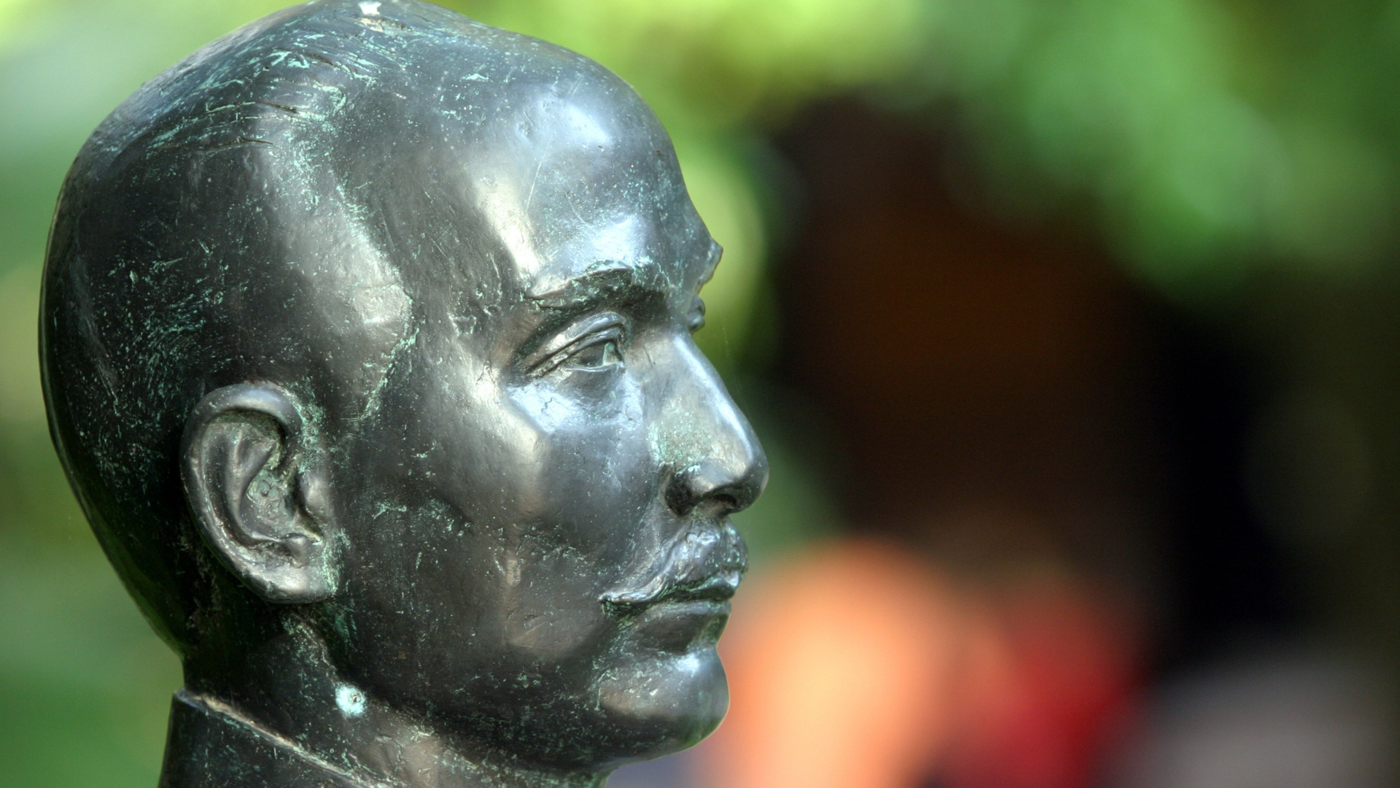
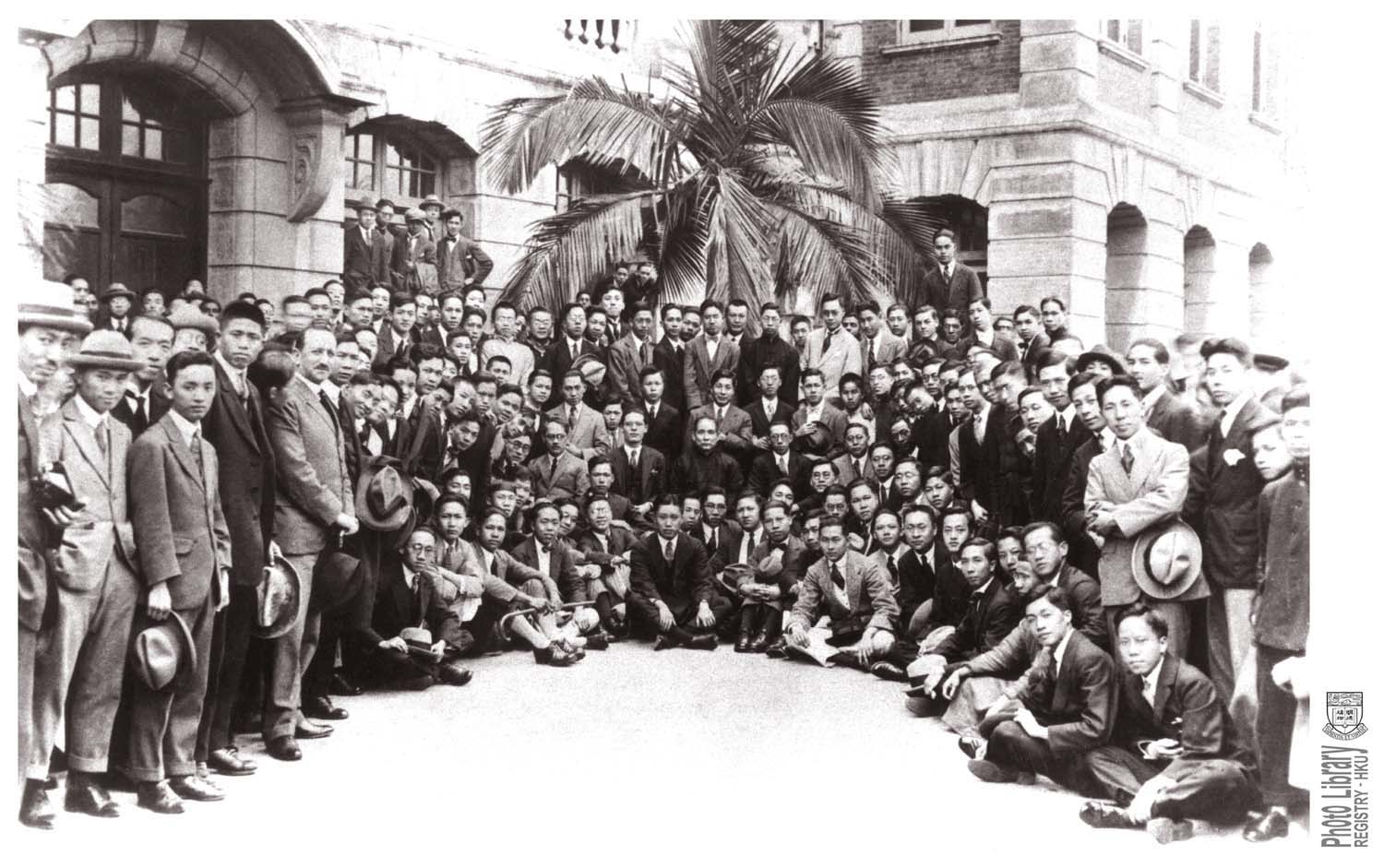
In February 1923, Sun Yat-sen returned to his alma mater in Hong Kong and delivered a speech that would become one of the most quoted lines in the University’s history: “I have come back like a wanderer returning home, for Hong Kong and the University of Hong Kong are my intellectual birthplace.”
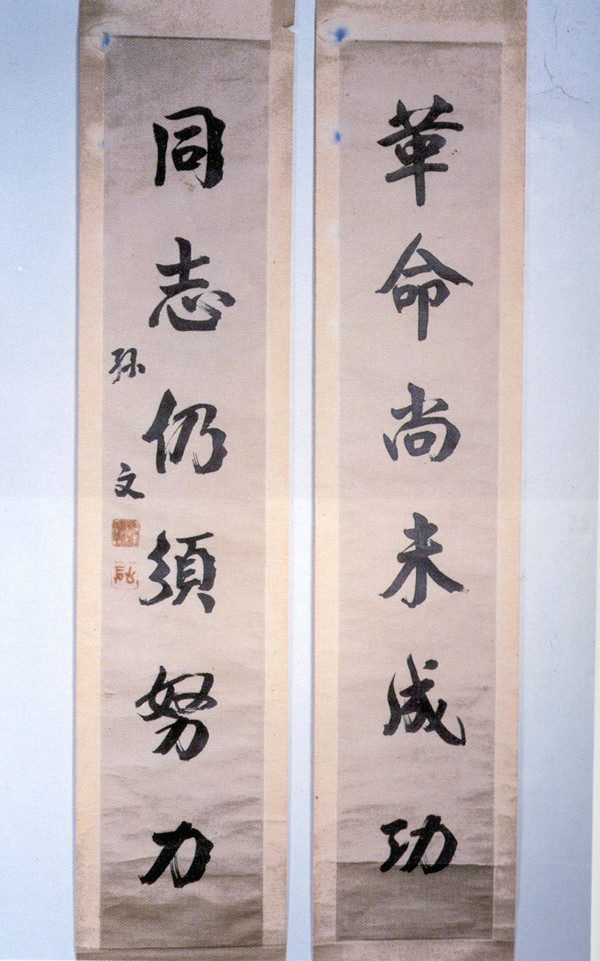
It was a characteristically gracious remark from a man whose life had been anything but settled. Born on Nov 12, 1866 in Guangdong’s Xiangshan County, Sun Yat-sen spent decades moving between continents, rallying supporters, raising funds, and organising uprisings before finally helping to topple the Qing dynasty and establish the Republic of China in 1912. He died in 1925, at the age of 58, with much of his vision unrealised. He acknowledged this repeatedly in his final years, writing “The revolution has not yet succeeded. Work hard, comrades!”
A century later, his legacy remains remarkably alive. His name is written into the constitution of the People’s Republic of China. Universities, cities, parks, and monuments across the Chinese-speaking world bear his name. And at HKU, a statue of Sun stands near the Main Building, and the institution he once attended — the Hong Kong College of Medicine for Chinese, founded in 1887 — became a founding component of the University.
But what, exactly, is that legacy?
A man of principle
Professor Xu Guoqi, David H.Y. Chang Professor of Chinese History at HKU, argues that Sun Yat-sen’s most important contributions were intellectual. Speaking at a symposium organised by the Bauhinia Culture Group in early November, Professor Xu identified three pillars: the overthrow of imperial rule, the Three Principles of the People, and Sun’s ambitious national construction plan.
The Three Principles — nationalism, democracy, and people’s livelihood — drew on Abraham Lincoln’s formulation of government “of the people, by the people, for the people.” But Professor Xu stressed that what made Sun’s thinking distinct was its relationship to Chinese tradition. Unlike many intellectuals of the May Fourth era, who sought to reject China’s classical heritage wholesale, Sun Yat-sen integrated Confucian humanism with modern democratic thought.
“Sun Yat-sen himself stated that his ideas drew from Chinese tradition, European experience, and his own original thinking,” Professor Xu noted. The late historian Yu Ying-shih, he added, observed that Sun’s enduring concern with Chinese tradition may have been what prevented him from falling into the anti-traditionalism that characterised many Chinese intellectuals of his era.
This blending of tradition and modernity also resonates with Dr Luca Ka Lo Yau, Assistant Lecturer at HKU’s School of Chinese. In a recent interview with the HKU Lead, Dr Yau pointed to Sun’s embrace of the Confucian concept of datong — a vision of a harmonious society in which resources are shared, cultures are tolerated, and people live in relative equality. “His vision for a new China was very progressive for the time,” Dr Yau said. “He combined Confucian values with modern democratic values.”
Dr Yau also offered a less conventional reading of Sun’s legacy: humility. “As a historical figure advocating for democracy, he had to be very humble,” she said. “He had to listen to all kinds of ideas, different voices, and to compromise.” Democracy, she suggested, is often discussed purely through the lens of human rights, “but there is also an element of humility involved — you have to listen to other voices.”
Nation-building
Sun Yat-sen’s national construction plan, meanwhile, offers perhaps the most vivid illustration of how far his vision has travelled. Written in the early 1920s, it proposed 100,000 miles of railways, one million miles of roads, the harnessing of the Yangtze River, and the construction of major ports across the country. At the time, many dismissed these ideas as impossible dreams. Today, China’s high-speed rail network alone is expected to reach 60,000 kilometres by 2030, surpassing the rest of the world combined. The Three Gorges Dam, first envisioned by Sun, stands as one of the largest engineering projects in human history.
“Though Sun Yat-sen was not entirely successful as a politician, his Three Principles transcended his time and remain politically significant today,” Professor Xu said.
One hundred and sixty years after his birth, the wanderer’s journey is far from over. His ideas continue to be debated, reinterpreted, and — in some cases — realised on a scale he could scarcely have imagined.
For the HKU students who pass his statue on the way to class each morning, the great revolutionary’s presence poses a question that Dr Yau believes is still worth asking: “How can we move outside ourselves and better understand our society, our country, and how we might play a role in building a better world?”
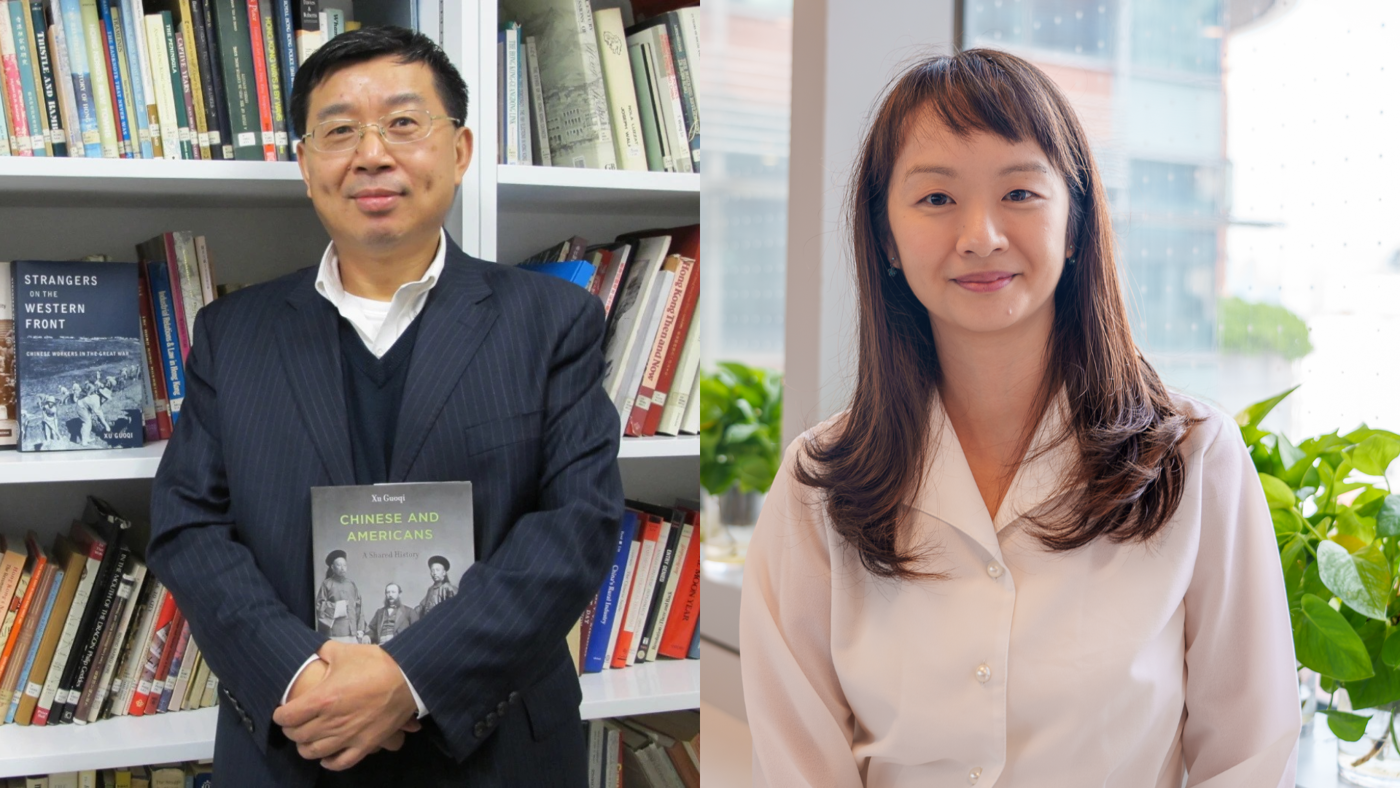
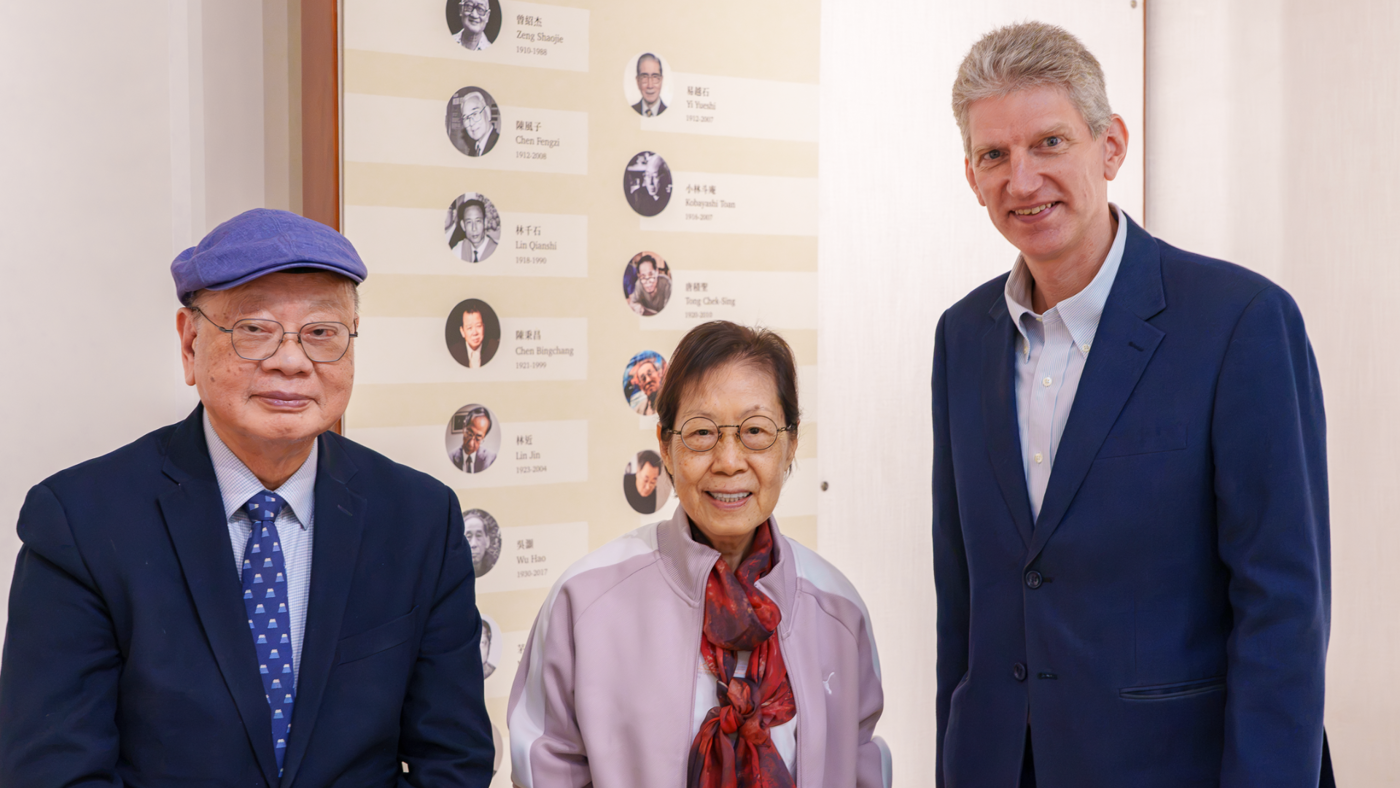
Professor Xu Guoqi (left) and Dr Luca Ka Lo Yau.
Related Topics
Related News