
People
The HKU Researcher Saving Hong Kong’s Cockatoos
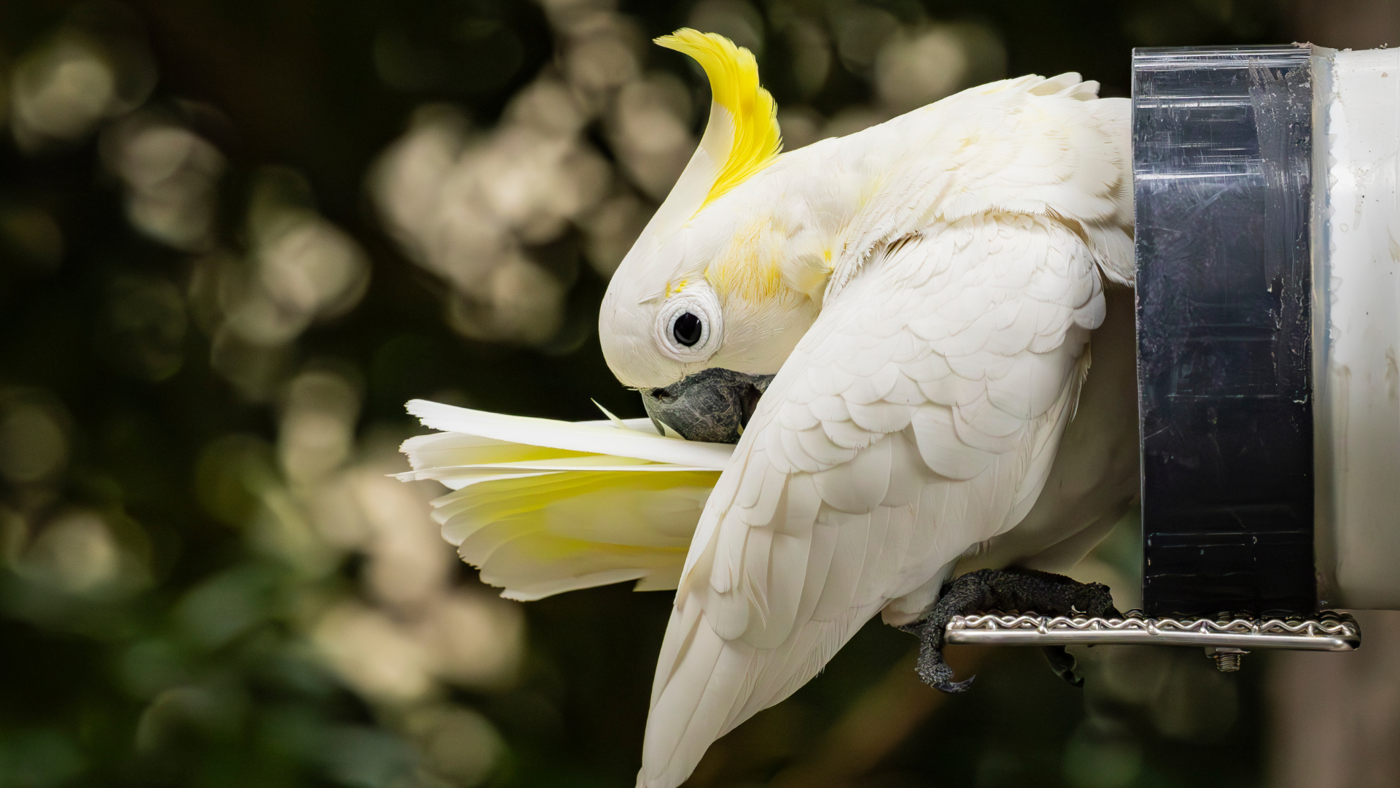
This May, the Kadoorie Farm and Botanic Gardens team reached out to HKU’s Dr Astrid Andersson with an unusual but urgent request: Could she help rescue a baby cockatoo that had become trapped in the ceiling of a local high-rise apartment?
Extricating the bird was the easy part. The challenge was reuniting it with its parents. The surrounding area was a classic Hong Kong concrete jungle, with none of the soft, old trees in which cockatoos typically like to make their nests.
With the birds perched on a nearby ledge calling out for their chick, Dr Andersson and her partner at Hong Kong Cockatoo Watch, arborist Mr Harry Kahon Wong, had just hours to find a solution.
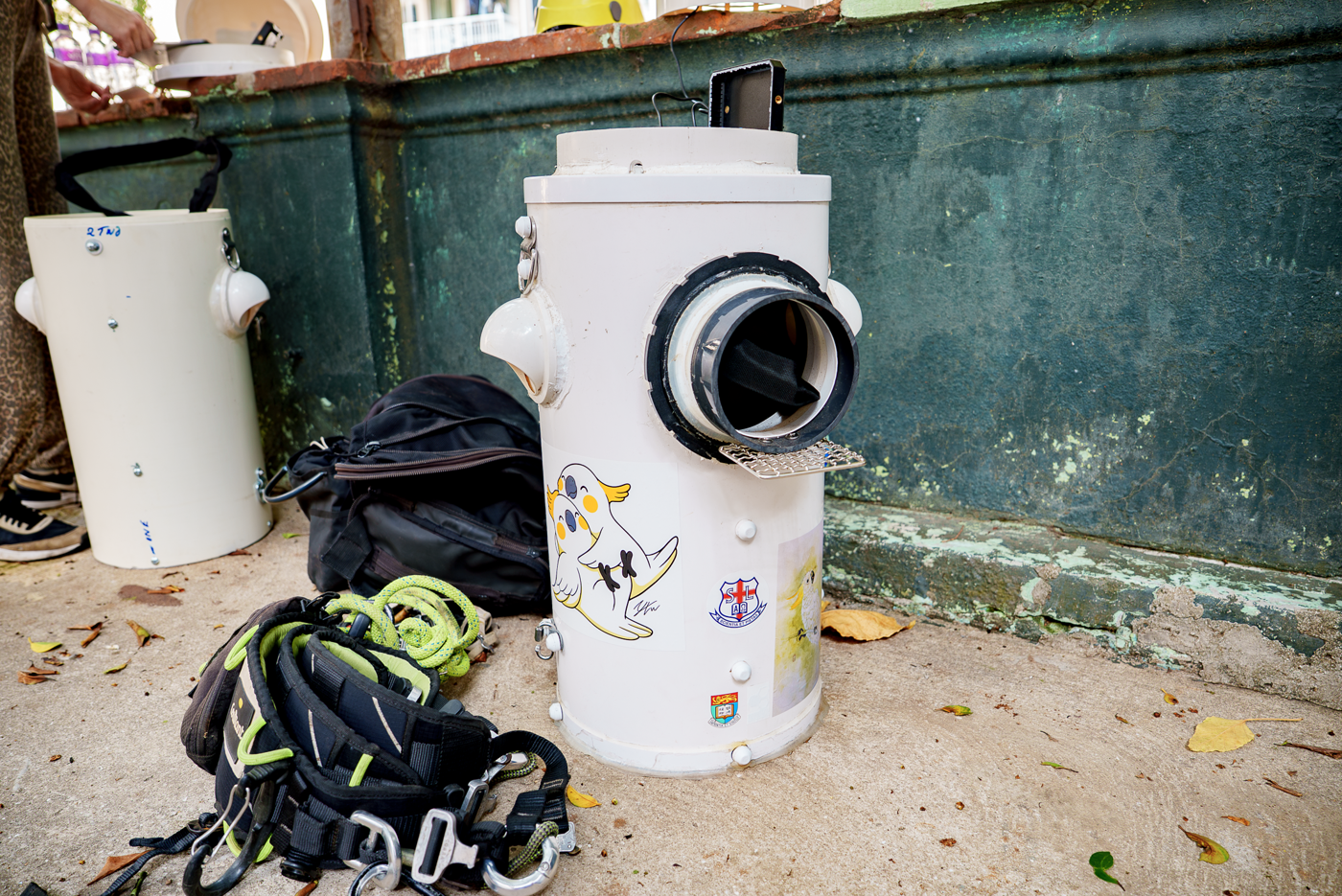
Luckily, they had one at hand: an artificial nest box they had designed to house cockatoos even in Hong Kong’s most urbanised neighbourhoods. They placed the chick inside, then Mr Wong climbed out onto the ledge and affixed the nest box in place.
After that, all they could do was wait. Would the cockatoos find their baby before it starved? And if they did, would they accept the nest box as their new home?
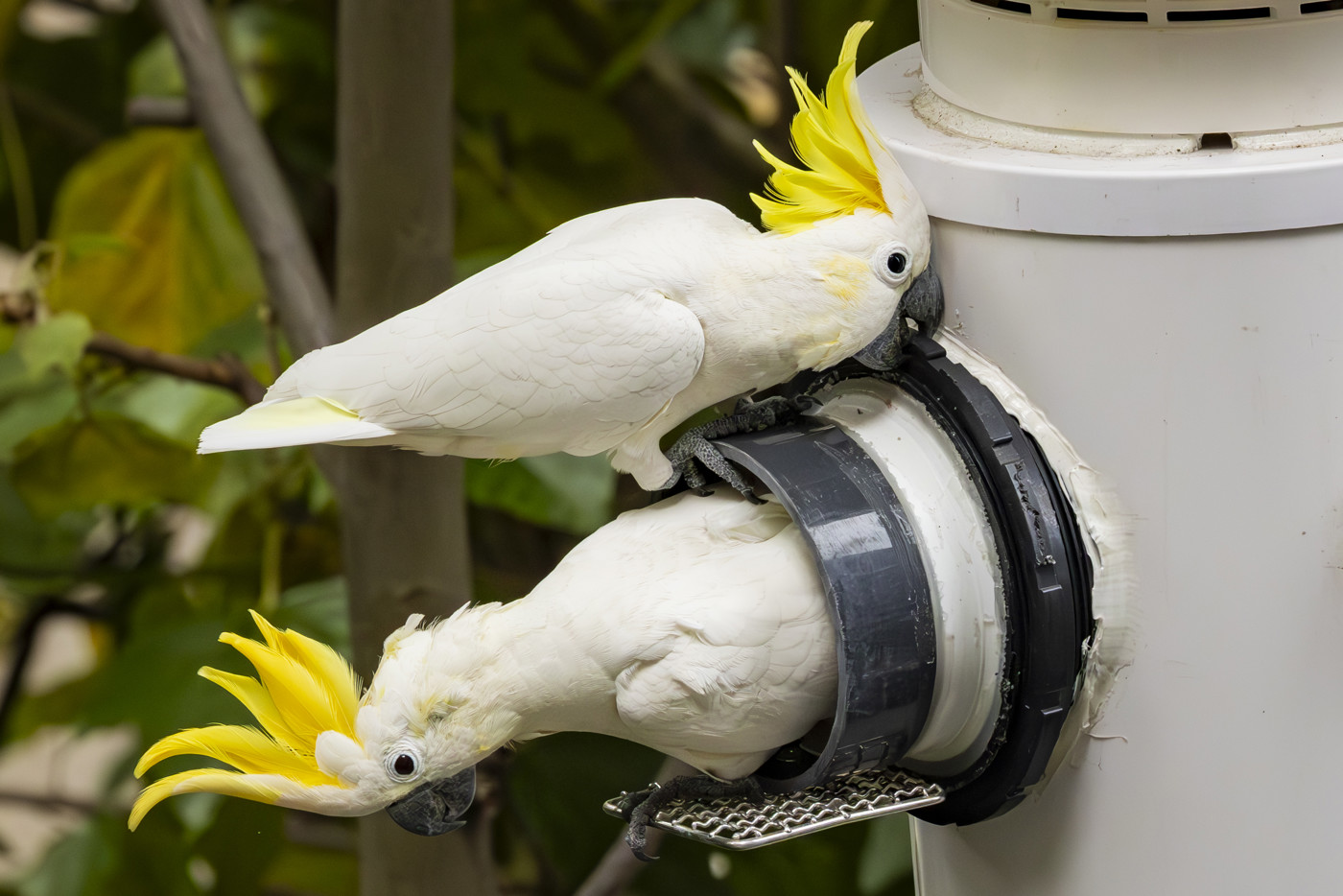
For the next seven hours, Dr Andersson and Mr Wong watched as the cockatoo parents carefully poked their heads into the nest box, looking for traps. Finally, they breathed a sigh of relief as the pair settled in and began to look after their chick.
“Sometimes, it only takes one simple decision to save a life,” said Mr Wong.
No place like home
The yellow-crested cockatoo isn’t native to Hong Kong, but that hasn’t stopped it from becoming an iconic – if noisy – part of the city’s skyline.
They’re also a potential lifeline for the species, which faces growing environmental pressure in its native Southeast Asia. In June, Dr Andersson, a postdoctoral researcher at HKU’s School of Biological Sciences, published a study in Evolutionary Applications showing that the roughly 200 birds that call Hong Kong home – 10% of their total global population – could serve as a “biodiversity ark” – as decades of interbreeding between subspecies have helped them severe genetic declines expected in small, isolated populations.
“Hong Kong’s population presents a natural, 60-year test case for the genetic impacts of interbreeding Yellow-crested Cockatoos subspecies,” says Dr Andersson. “Instead of dismissing urban, introduced populations as ecologically redundant, we should view them as a potential ‘Biodiversity Ark’ that can actively help prevent extinction.”
A housing crisis
But the birds face a very relatable problem in Hong Kong: a housing crisis. The tree holes where they make their nests are disappearing, threatening their ability to reproduce.
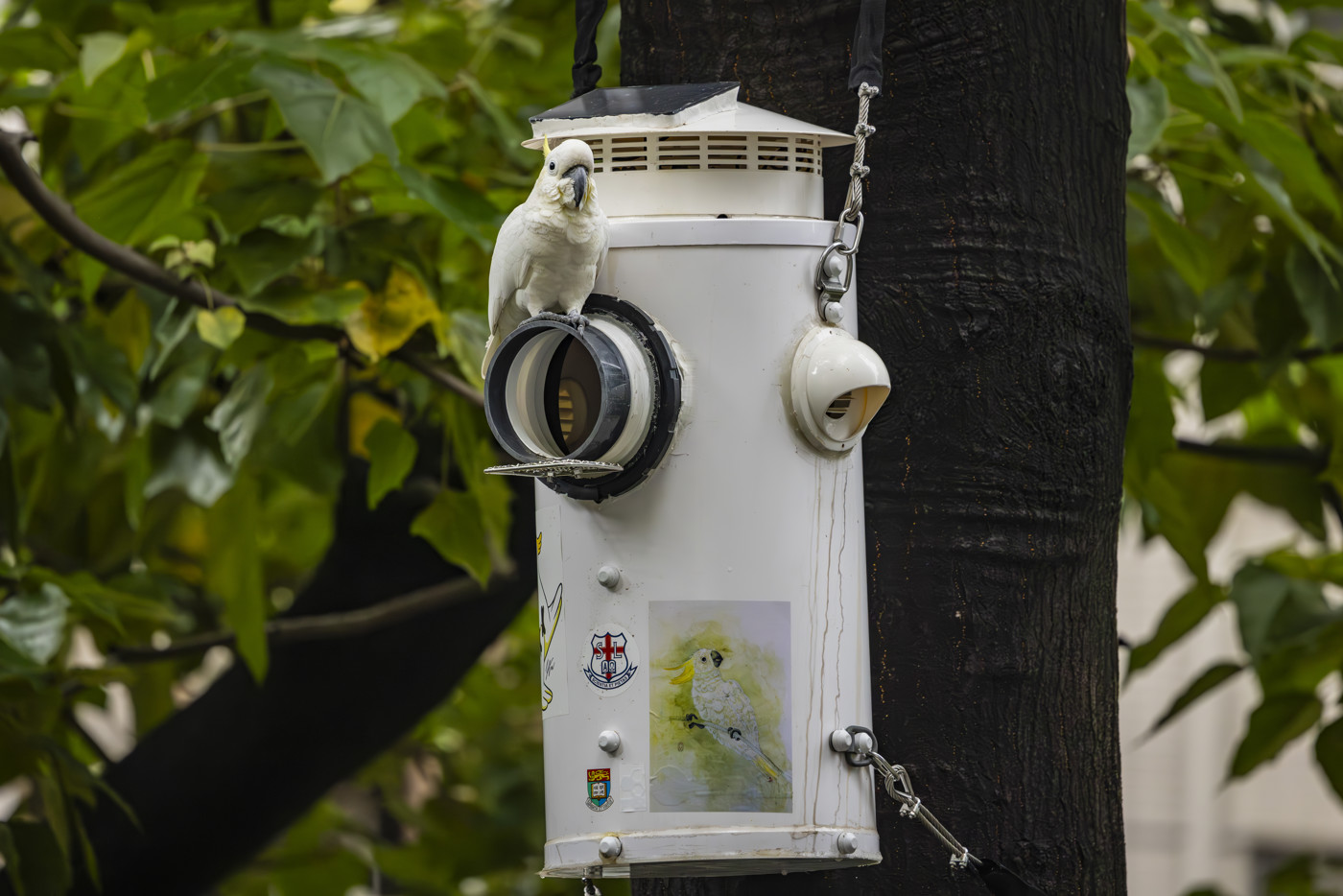
To resolve this problem, Dr Andersson turned to Mr Wong, an experienced arborist and apiarist. Together, they designed an artificial nest box that could be hung almost anywhere, from tall trees to high balconies. They also installed cameras so they could monitor the cockatoos and learn more about how they mate and care for their young.
The pair was proud of their design, but the cockatoos were not always as impressed. What followed was months of iteration as they tackled “weird problems you’d never expect,” in Dr Andersson’s words.
They tried placing wood chips inside to make the cockatoos feel more at home, but the birds proceeded to chuck everything and start over. The camera was another issue, as the birds loved to tear everything attached to the box to pieces – even the metal cover protecting the camera’s wiring.
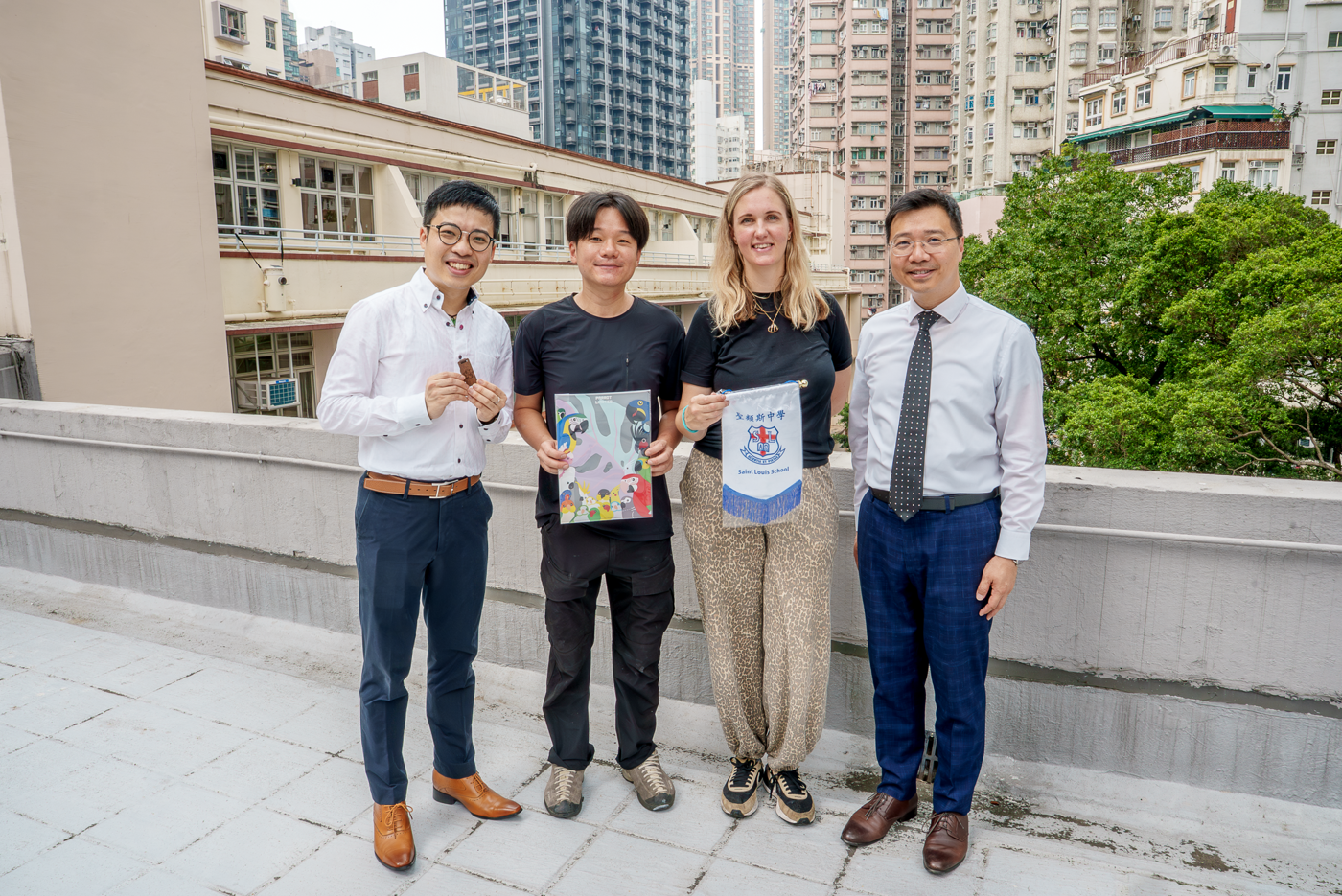
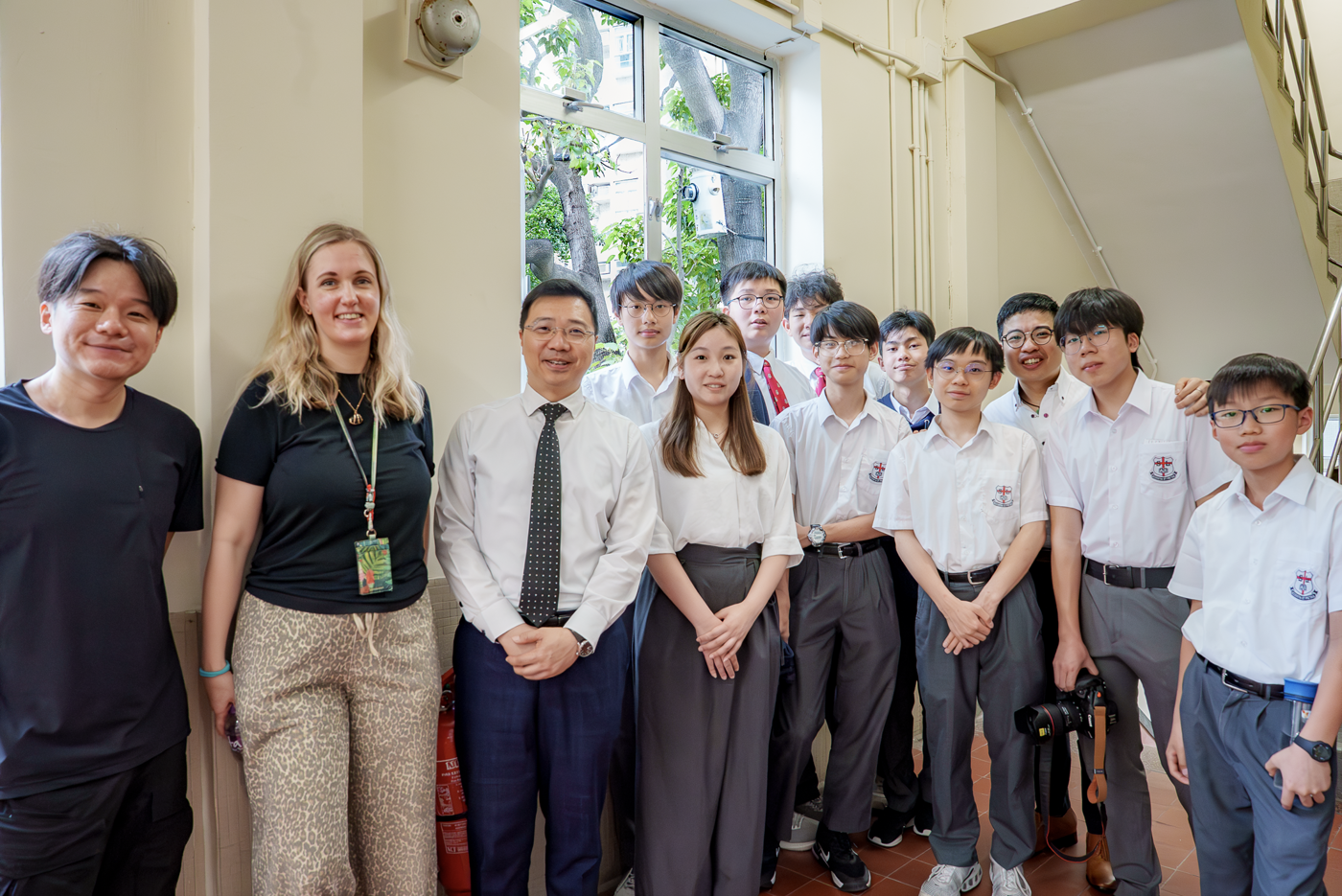
Nevertheless, they made progress. Working with local schools, they hung multiple nest boxes on campuses around Hong Kong Island. The collaboration offered cockatoos a home and let students monitor the boxes’ residents, giving them a chance to practice science firsthand.
Hong Kong icons
The cockatoo rescue in May was the first big test of how far Dr Andersson and Mr Wong’s design had come. In less than 72 hours, they were able to help rescue the chick, re-home it, and deploy the nest box in an accessible location.
They were excited when the parents moved in, but even more excited when a video posted by Mr Wong documenting the rescue went viral on social media, including almost 500,000 views on Instagram. A follow-up “Baby Cockatoo Diary” video did even better, being watched over 750,000 times to date.
That shows just how beloved the birds have become in Hong Kong, as they thrive in their adoptive home. “I think it’s a really positive story,” says Dr Andersson. “It’s an example of nature thriving alongside humans.”
Related Topics
Related News